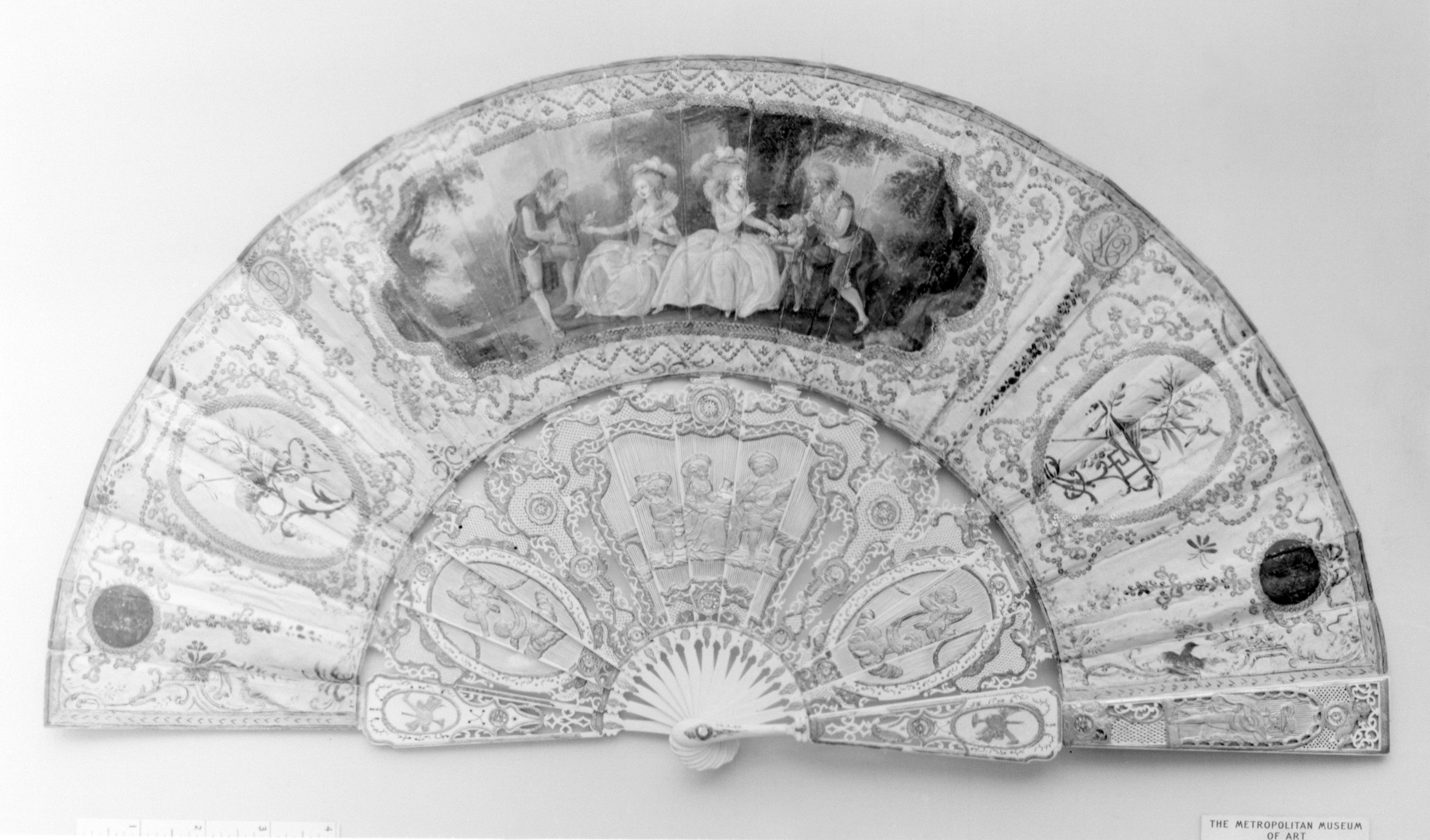
Deconstructing the Frontier: The Fan as Architectural Silhouette for SS26
The fan, a perennial emblem of grace and ephemeral motion, undergoes a radical transmutation in Zoey Fashion Laboratory’s SS26 avant-garde study. No longer a mere accessory of gentle breezes, it is reimagined as a primary structural device—a skeletal framework for the future of couture. This analysis dissects the fan’s evolution from a cultural artifact into a dynamic, load-bearing architectural silhouette, executed in the pristine tension of silk and ivory. The Global Frontier origin is not a geographic location but a conceptual threshold, where the fan’s pleated geometry becomes a language of spatial defiance, challenging the static nature of traditional garment construction.
The Ivory Scaffold: From Pleat to Posture
Central to this study is the use of ivory—not as a color alone, but as a material metaphor for structural purity. The fan’s ribs are reimagined as articulated ivory struts, embedded within the fabric to create a living exoskeleton. Unlike conventional boning that confines, these struts extend outward, forming cantilevered shoulders and asymmetric hemlines that mimic the fan’s open arc. The result is a silhouette that is simultaneously rigid and fluid: the silk drapes between the struts like a membrane, while the ivory framework dictates the garment’s posture. This is not a dress that moves with the body; it is a dress that commands space, forcing the wearer into a deliberate, sculptural stance. The pleats are not soft folds but sharp, geometric facets that catch light like a prism, fragmenting the female form into a series of angular planes.
Silk as Tension Membrane: The Future of Draping
The silk component, sourced from the Global Frontier’s experimental textile labs, is treated as a high-tension membrane rather than a flowing fabric. Through a process of selective bonding and laser-cut perforations, the silk is anchored at precise stress points along the ivory struts. This creates a dynamic tension that echoes the fan’s opening and closing action. For SS26, the garment is designed to be wearable architecture: the silk panels can be adjusted via hidden tension cables, allowing the wearer to modulate the volume and profile of the silhouette. When fully expanded, the dress becomes a half-circle of tensile strength, with the silk stretched taut like a drum skin. When relaxed, the fabric collapses into cascading, origami-like folds, revealing the ivory skeleton beneath. This dual-state functionality is a hallmark of Zoey’s avant-garde ethos—garments that are not static objects but transformative environments.
Deconstructive Aesthetics: The Unfolding Body
The deconstructive approach here is not about tearing down but about revealing the mechanics of construction. The fan’s central pivot point is translated into a metallic hub at the waist or nape, from which all structural lines radiate. Seams are exposed, not hidden; ivory struts are left raw-edged, their natural grain visible against the silk. This is a deliberate aesthetic of unfinished precision, where the garment’s assembly becomes part of its narrative. The asymmetry is radical: one shoulder may feature a fully extended fan structure, while the opposite side is collapsed, creating a visual dialogue between expansion and contraction. The hemline is not a straight line but a jagged edge that follows the fan’s scalloped profile, slicing the silhouette into unpredictable, dynamic segments. This deconstruction challenges the viewer to perceive the garment not as a finished product but as a continuous process of becoming.
Structural Innovation: The Kinetic Silhouette
The true breakthrough for SS26 lies in the integration of kinetic engineering into couture. The fan’s ability to open and close is not merely symbolic; it is mechanized through a system of micro-cables and lightweight actuators embedded within the ivory struts. The wearer can control the garment’s expansion via subtle hand gestures or pre-programmed sequences, transforming the silhouette in real time. This is not a gimmick but a profound shift in how fashion interacts with space. A gown that expands into a 180-degree arc during a runway presentation becomes a moving sculpture, its profile altering the architecture of the room. The silk, when fully extended, creates a wind-like effect, rippling with the motion of the struts. This is the frontier of fashion: garments that are not worn but inhabited, where the boundary between body, object, and environment dissolves.
Cultural Resonance: The Fan as Global Frontier
The fan’s origin as a Global Frontier symbol is critical. It represents a fusion of Eastern and Western influences, where the fan’s historical roles—from courtly elegance to martial signaling—are collapsed into a single, futuristic object. Zoey’s interpretation strips the fan of its cultural baggage and repositions it as a universal structural archetype. The ivory, sourced from ethical, synthetic alternatives, speaks to a future where materials are both luxurious and sustainable. The silk, dyed in spectral whites and off-ivories, references the blank slate of the frontier—a space of infinite possibility. The garment becomes a portable manifesto, declaring that the future of couture lies not in ornamentation but in the radical rethinking of how fabric and form can articulate power, motion, and identity.
Conclusion: A New Lexicon of Form
Zoey Fashion Laboratory’s SS26 fan study is a definitive statement on the architectural potential of the accessory. By treating the fan as a primary structural system, the studio has unlocked a new lexicon of form: one where pleats become pillars, silk becomes skin, and ivory becomes bone. This is not fashion for the faint of heart; it is a rigorous, intellectual exploration of how garments can defy gravity, manipulate space, and challenge the very notion of wearability. For the avant-garde consumer, this is not a dress but a future artifact—a testament to the frontier of structural innovation where the fan, once a whisper of air, now roars as a silhouette of steel and silk.