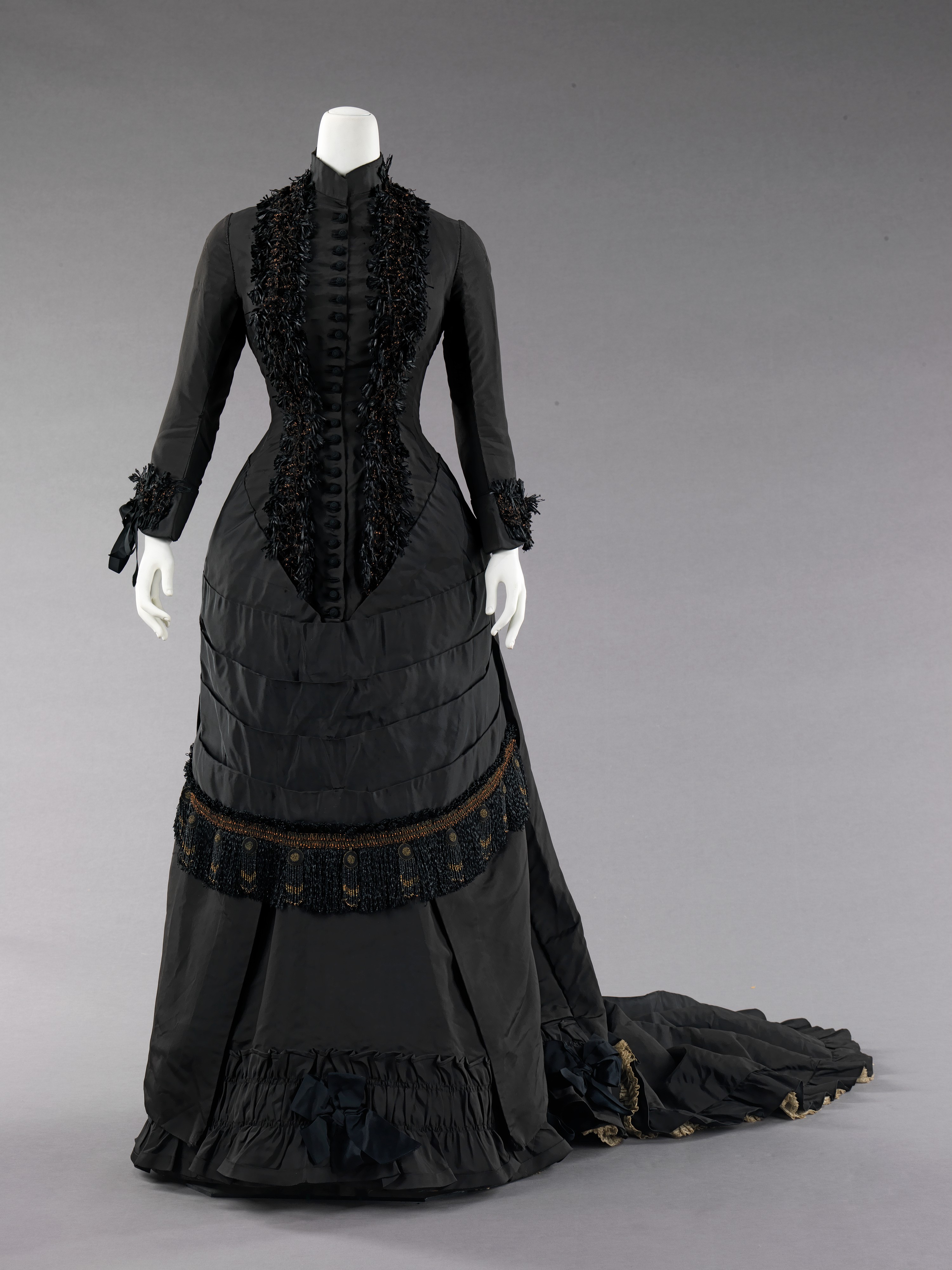
Deconstructing the Spanish Dinner Dress: A Futurist Manifesto for SS26
The conventional dinner dress, a staple of Western eveningwear, has long been tethered to notions of opulent comfort and static elegance. For SS26, Zoey Fashion Laboratory dismantles this archetype, reimagining it through a rigorous avant-garde lens. This analysis dissects a singular garment—a Spanish-inspired dinner dress—and its radical transformation into a futuristic, structural manifesto. By interrogating the interplay of silk and metal, we uncover a new lexicon of silhouette and construction that defies the body’s natural repose, embracing instead a dynamic, almost architectural tension. This is not a dress for passive dining; it is a sculptural intervention designed for the post-humanist table.
The Spanish Substrate: Heritage as Deconstruction
The choice of Spanish origin is not a nod to nostalgic flamenco or baroque opulence. Rather, it serves as a deconstructive substrate—a historical language to be fractured and reassembled. Traditional Spanish eveningwear, from the traje de gitana to the severe tailoring of a traje de noche, relies on heavy draping, voluminous skirts, and rigid corsetry. Zoey Fashion Laboratory subverts these tropes. The dress retains the dramatic verticality of a Spanish silhouette—the elongated torso, the sharp shoulder line—but excises all softness. The fabric is no longer a passive drape; it becomes a tensile membrane, stretched across a metal armature. The result is a garment that evokes the severity of a Spanish bullfighting jacket but transposed into a dinner context, where the ritual of eating becomes a performance of controlled tension.
Material Dialectic: Silk as Fluid Membrane, Metal as Skeletal Structure
The material pairing of silk and metal is the critical axis of this design. Silk, traditionally associated with fluidity and luxury, is here subjugated by metal. The silk is not simply draped; it is tensioned across a lattice of lightweight, anodized aluminum or titanium. This is not a garment that moves with the body; it is a garment that frames the body as a static, sculptural object. The metal acts as an exoskeleton, defining the silhouette with geometric precision. The silk, in turn, is not a soft surface but a translucent, high-tensile membrane. Its natural luster is amplified by the metallic framework, creating a specular interplay that shifts with ambient light. The dress’s surface becomes a living interface between organic drape and industrial rigidity. This dialectic is not merely aesthetic; it is functional. The metal structure allows for zero-gravity cantilevers—a skirt that flares asymmetrically, a collar that juts forward like a predatory beak—while the silk maintains a semblance of softness, a ghost of the original dinner dress.
Futuristic Silhouettes: The Asymmetric Cantilever and the Void
The SS26 dinner dress abandons the symmetrical, waist-cinched form of its predecessors. Instead, it presents a radically asymmetric silhouette that challenges the viewer’s perception of balance. The primary structural innovation is the cantilevered hip. A single, sweeping metal armature extends from the left hip, supporting a cascade of silk that falls in a sharp, diagonal line, creating a void beneath the right side of the torso. This void is not accidental; it is a deliberate negative space that redefines the body’s perimeter. The dress does not wrap the body; it surrounds it with a field of tension. The upper body is encased in a halter-like metal cage, with silk panels that wrap around the collarbone and shoulders, leaving the arms and back exposed. This creates a futuristic silhouette reminiscent of a cyborg’s ceremonial garb—simultaneously protective and vulnerable. The hemline is not a straight line but a fractured, asymmetrical arc, with the metal framework extending below the silk in places, creating a floating, kinetic fringe of slender metal rods.
Structural Innovation: The Articulated Exoskeleton and the Dinner Ritual
This dress is not a static garment; it is a wearable mechanism. The metal structure is articulated at the shoulders and hips, allowing for limited but precise movement. When the wearer sits for dinner, the cantilevered hip adjusts, the silk membrane stretches, and the metal rods pivot, creating a new silhouette for the seated pose. This is a garment that responds to the ritual of dining. The act of lifting a fork becomes a choreographed gesture, as the metal exoskeleton guides the arm’s trajectory. The collar, a high, asymmetric metal fin, frames the face and neck, making the act of speaking or eating a deliberate, almost theatrical performance. The dress’s interior is lined with a micro-perforated silk mesh that breathes and wicks moisture, ensuring comfort despite the rigid exterior. The closure system is a magnetic lattice embedded in the metal structure, allowing for quick dressing and undressing without zippers or buttons. This is functionalism reimagined as sculpture.
Context and Cultural Commentary
In a post-pandemic world where dining has become both intimate and performative, the Zoey Fashion Laboratory dinner dress stands as a critique of passive consumption. It forces the wearer into a state of heightened awareness, where every gesture is amplified by the garment’s architecture. The Spanish origin is not a costume; it is a reclamation of ritualistic formality in an age of casual informality. The dress rejects the notion of comfort as a primary value, instead celebrating discomfort as a catalyst for presence. It is a garment for the future of social interaction, where dinner is no longer a mundane act but a staged event, a performance of identity and control. The metal and silk coalesce into a symbol of post-human elegance, where the body is not adorned but amplified by structure. This is not a dress for the faint of heart; it is a statement for the avant-garde consumer who sees fashion as a dialogue between the organic and the engineered.
Conclusion: A New Canon for Eveningwear
Zoey Fashion Laboratory’s SS26 dinner dress is a definitive break from the history of eveningwear. By deconstructing Spanish heritage and recombining it with futuristic materials and silhouettes, the design establishes a new canon for structural innovation. The silk and metal are not opposites; they are complementary forces in a dynamic equilibrium. The asymmetric cantilever, the void, and the articulated exoskeleton redefine what a dinner dress can be—not a passive garment, but an active participant in the ritual of dining. This is avant-garde couture at its most rigorous: a fusion of history, technology, and performance that challenges the wearer and the viewer alike. As we move toward SS26, this dress serves as a blueprint for a future where fashion is architecture for the body, and every meal is a stage.