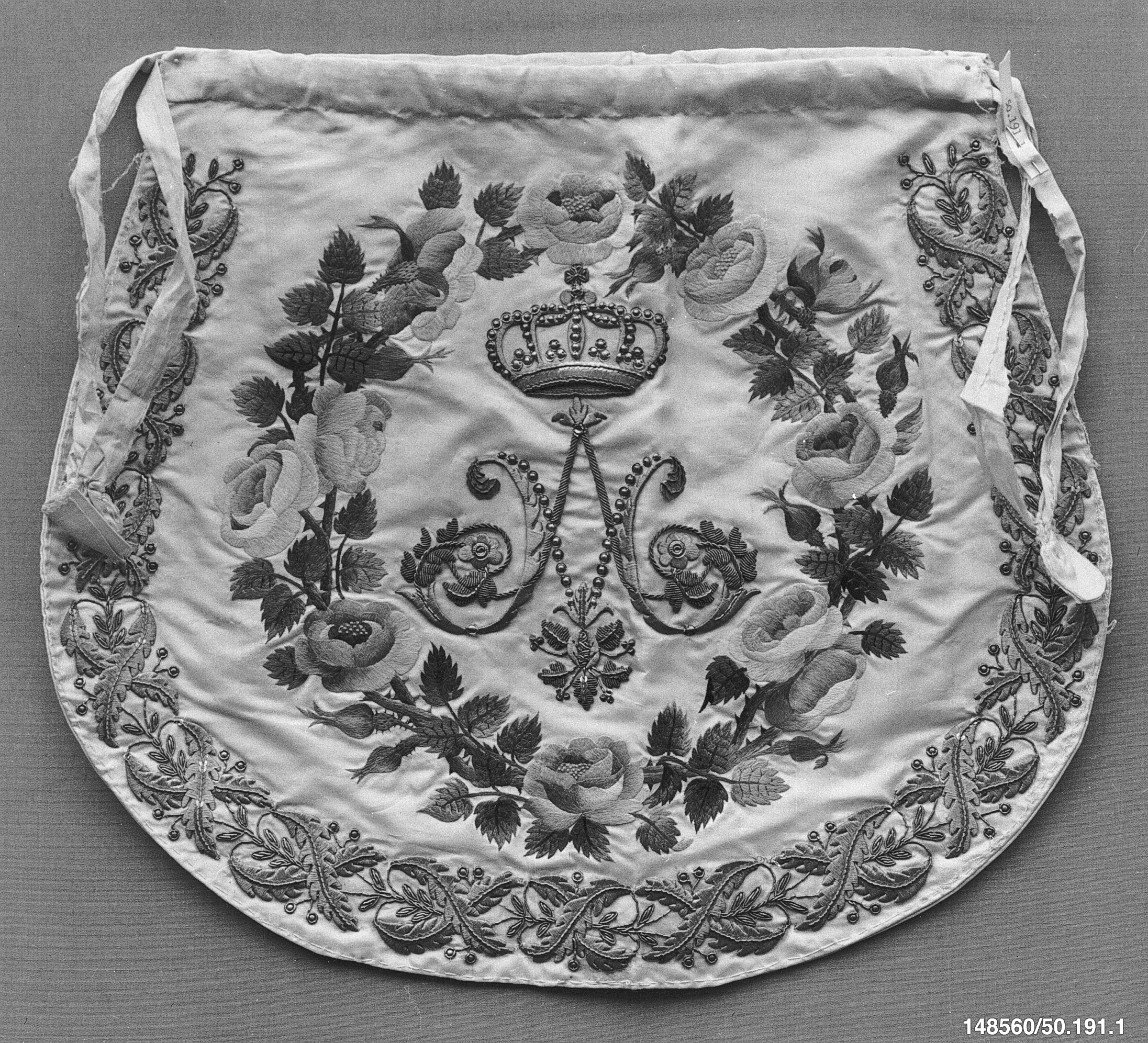
Deconstructing the Object: The Bag or Statue Robe as a Manifesto for SS26
In the relentless pursuit of the new, the avant-garde often finds its most potent expressions in the liminal space between utility and sculpture. The subject of this definitive analysis—an enigmatic garment from the Global Frontier, provisionally titled the “Bag or Statue Robe”—is not merely a piece of clothing. It is a philosophical proposition, a challenge to the very taxonomy of fashion. Constructed from the paradoxical marriage of silk and metal thread, and embellished with sequins and purl, this object transcends the binary of accessory versus architecture. For Zoey Fashion Laboratory’s SS26 collection, it serves as a critical pivot point, forcing a re-evaluation of how we define structure, mobility, and the body’s relationship to the garment. This is not a dress. This is a wearable condition.
I. The Dialectic of Form: Bag vs. Statue
The garment’s nomenclature is its first provocation. Is it a bag—a vessel for containment, a portable void? Or is it a statue robe—a ceremonial shroud, a frozen monument to the body it once enveloped? The SS26 context demands we embrace this ambiguity. The silhouette is not draped in the traditional sense; it is constructed as a volumetric enclosure. The silk, usually associated with fluidity and softness, is here stiffened and structured by the metal thread, creating a rigid, almost architectural shell. The sequins and purl, applied in dense, irregular patterns, catch light not to shimmer, but to fracture it, creating a surface that is at once reflective and impenetrable. This is not a garment that moves with the body; it is a garment that dictates the body’s posture, transforming the wearer into a living statue—a monument to the tension between containment and liberation.
The “bag” interpretation is equally potent. Consider the garment’s potential as a portable habitat. The interior volume, hidden from view, becomes a secret space—a pocket dimension where the wearer’s identity is both stored and protected. The metallic threads create a conductive, almost armor-like exoskeleton, while the silk lining suggests a vulnerable interior. This duality is the core of the avant-garde statement: the garment as a protective fortress and a confining cage. The wearer is simultaneously the curator and the captive of their own form.
II. Material Alchemy: Silk, Metal, and the Glitch in the Matrix
The material selection is a masterclass in structural innovation. Silk, a fiber of historical luxury and organic origin, is subverted by the cold, industrial logic of metal thread. This is not a simple blend; it is a dialectical tension woven into the very fabric. The metal thread provides the tensile strength and shape-memory necessary to hold the garment’s futuristic silhouettes—sharp, angular shoulders, a cinched, almost robotic waist, and a flared, bell-like hem that defies gravity. The silk, meanwhile, introduces a necessary softness, a whisper of the organic within the mechanical. The result is a hybrid materiality that feels both ancient and extraterrestrial.
The application of sequins and purl further complicates this narrative. Sequins, typically used for decoration, are here deployed as structural scales. They are not sewn in rows; they are clustered in asymmetrical formations, creating a surface that mimics a reptilian or cybernetic exoskeleton. The purl—a fine, twisted wire—adds a tactile, almost biomorphic texture. It catches light in unpredictable ways, introducing a visual “glitch” that disrupts the garment’s geometric purity. This is not about shimmer; it is about surface complexity, a deliberate noise in the signal of the silhouette. The Global Frontier origin is felt here—a nod to non-Western textile traditions reimagined through a futuristic lens.
III. Futuristic Silhouettes: The Architecture of the Unseen
The silhouette of the Bag or Statue Robe is the collection’s silent protagonist. For SS26, Zoey Fashion Laboratory must reject the soft, fluid lines of the recent past. Instead, we embrace hard, geometric volumes that challenge the natural form. The garment’s shoulders are exaggerated, not as padding, but as cantilevered structures that extend outward, creating a negative space around the neck and head. The waist is not cinched by a belt; it is molded as a rigid, corseted cylinder, using the metal thread’s shape-memory to hold a permanent, almost industrial curve. The hem is the most radical element: it flares into a wide, bell-like shape that is not circular but polygonal, with sharp, faceted edges that suggest a 3D-printed form.
This silhouette is not about the body; it is about the void it creates. The garment’s volume is a negative space that the wearer inhabits, a sculptural envelope that redefines the human figure as an abstract form. The structural innovation lies in the garment’s ability to stand independently. When removed, the robe does not collapse; it remains a statue, a ghost of the body that once occupied it. This is the ultimate avant-garde statement: the garment as an autonomous object, a frozen performance that exists even without the performer.
IV. The SS26 Context: A New Frontier of Wearable Sculpture
In the broader context of SS26, the Bag or Statue Robe is not a one-off spectacle; it is a blueprint for a new design language. The collection, titled “Global Frontier,” explores the convergence of nomadic utility and ceremonial permanence. This garment embodies that fusion. The “bag” function speaks to the modern nomad’s need for portable identity—a garment that carries its own history, its own secrets. The “statue” function speaks to the desire for monumental presence in a digital age of ephemeral images.
The use of silk and metal thread is a direct commentary on the tension between organic life and technological control. The sequins and purl are not mere decoration; they are data points, a language of light and texture that communicates the wearer’s status, mood, or intention. This is fashion as semiotic architecture, where every surface is a signal. The Global Frontier origin is not just a geographical reference; it is a state of mind, a refusal to be bound by traditional craft or regional aesthetics. The garment is a hybrid, a mongrel of influences, born from the friction of cultures and materials.
V. Conclusion: The Object as a Provocation
The Bag or Statue Robe is not a final answer; it is a question made physical. It asks: Can a garment be both a tool and a monument? Can it contain and expose simultaneously? For Zoey Fashion Laboratory, the answer is a resounding yes. This piece, with its futuristic silhouettes and structural innovation, challenges the industry to move beyond the binary of form and function. It is a manifesto for a new era of fashion—one where the garment is not a passive covering, but an active agent of transformation. The wearer becomes the curator of a living sculpture, a participant in a dialogue between the organic and the mechanical, the ancient and the alien. This is the avant-garde imperative: to make the familiar strange, and the strange, essential.