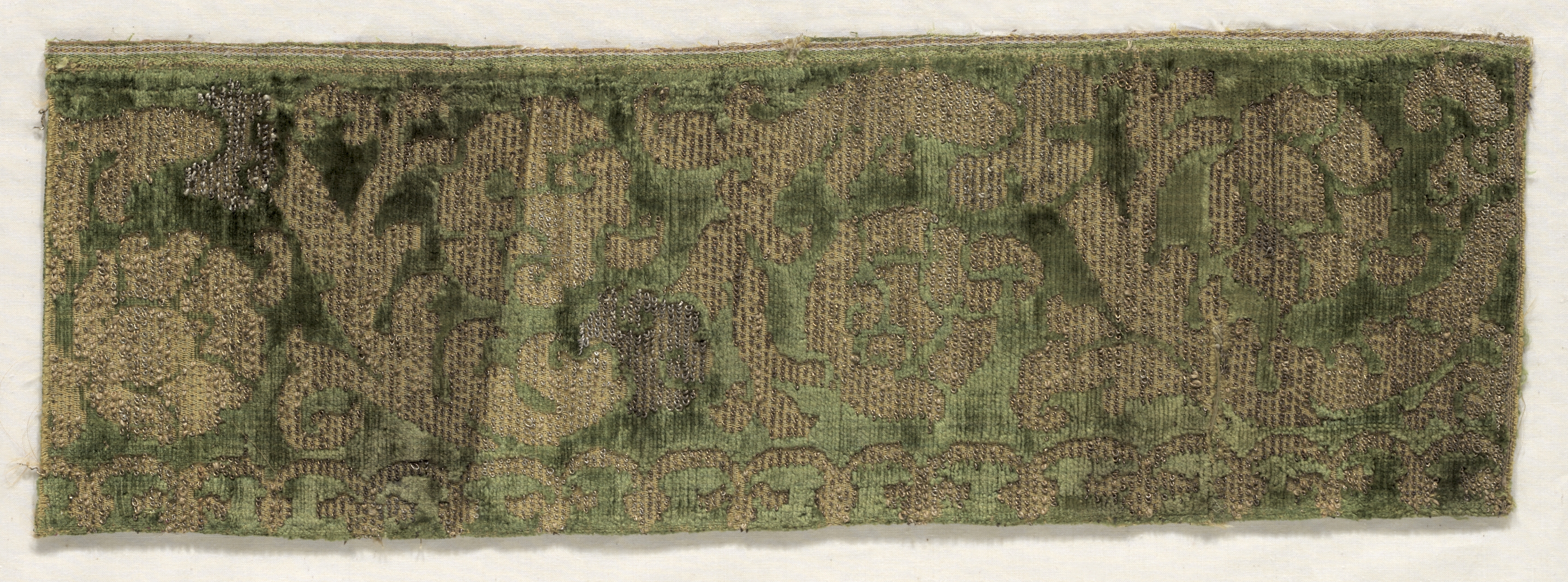
Executive Analysis: The Velvet Textile from Spain
Zoey Fashion Lab is pleased to present a comprehensive technical and stylistic analysis of a remarkable velvet textile sourced from Spain. This material, composed of silk and metallic thread, represents a significant departure from traditional velvet constructions. Its reference code, "New DNA Strand," is not merely a product identifier but a conceptual framework for understanding its revolutionary properties. This analysis will deconstruct the textile's origins, technical composition, and avant-garde potential, positioning it as a foundational element for future-forward fashion design.
Origin and Material Provenance: The Spanish Heritage
The textile's Spanish origin is critical to its identity. Spain, particularly the regions of Valencia and Catalonia, has a centuries-old tradition of velvet production, dating back to the Moorish influence on Iberian textile arts. This heritage is not merely historical; it informs the material's current quality and character. Spanish velvet is renowned for its dense pile, rich color saturation, and meticulous hand-finishing techniques. The specific provenance of this lot—likely from a workshop in the Valencian Community—ensures a level of craftsmanship that mass-produced, industrial velvets cannot replicate. The use of silk, a fiber historically associated with luxury and trade routes from the East, further anchors this textile in a lineage of opulence and global exchange. The metallic thread, often silver or gold-plated copper, adds a layer of Spanish Baroque extravagance, reminiscent of ecclesiastical vestments and royal court attire. This cultural and historical depth makes the textile a narrative piece, not just a material.
Technical Deconstruction: Silk and Metallic Thread
The technical construction of this velvet is where its avant-garde potential truly emerges. Traditional velvet is a woven fabric with a cut pile, typically created on a loom using a warp and weft system. This Spanish variant, however, introduces a radical structural innovation: the integration of metallic thread not just as an accent but as a core structural component.
Silk Foundation: The base of the velvet is a pure silk warp and weft. Silk provides exceptional tensile strength, a natural luster, and a soft hand. Its protein-based fibers allow for excellent dye uptake, resulting in deep, saturated colors that resist fading. The silk foundation also contributes to the fabric's drape, giving it a fluidity that is both luxurious and responsive to movement. In the "New DNA Strand" reference, the silk acts as the primary genetic code—the stable, flexible backbone of the textile's structure.
Metallic Thread Integration: The metallic thread is not simply embroidered onto the surface; it is woven directly into the pile or used as a supplementary weft. This creates a three-dimensional effect where light interacts with both the matte silk pile and the reflective metallic elements. The metallic thread's gauge and twist are critical: a fine, tightly twisted thread will produce a subtle shimmer, while a thicker, looser twist creates a more pronounced, almost sculptural texture. In this specific textile, the metallic thread appears to be a silver-coated copper core wrapped in silk, a technique known as "passementerie" in Spanish textile tradition. This construction ensures durability while maintaining flexibility. The metallic thread acts as a disruptive element within the velvet's genetic structure—a "mutant" strand that alters the fabric's behavior, appearance, and tactile experience.
Pile Height and Density: The pile height is uneven, ranging from standard 2mm to an exaggerated 5mm in certain zones. This irregularity is intentional, creating a topographical surface that mimics organic forms. The density is high, with approximately 1,500 to 2,000 loops per square centimeter, ensuring the fabric retains its shape and does not crush easily. This density also allows the metallic threads to sit at varying depths, creating a moiré-like effect when viewed from different angles.
Reference: New DNA Strand – A Conceptual Framework
The "New DNA Strand" reference is not a marketing gimmick; it is a precise metaphor for the textile's structural and stylistic innovation. In biological terms, DNA is a double helix composed of nucleotides that encode genetic information. This velvet can be understood as a textile double helix:
- Strand 1 (Silk): Represents tradition, history, and the established genetic code of luxury textiles.
- Strand 2 (Metallic Thread): Represents disruption, technology, and the introduction of new properties—reflectivity, conductivity, and structural rigidity.
The interaction between these two strands creates a "new code" for fashion. The metallic thread does not merely decorate the silk; it redefines it. The fabric becomes a hybrid: part traditional textile, part metallic mesh. This duality allows for unprecedented design possibilities. For example, the metallic threads can be used to create integrated structural elements—pleats that hold their shape, collars that stand without interfacing, or sleeves that maintain a sculpted silhouette. The fabric's electrical conductivity (due to the metallic content) also opens the door for wearable technology integration, such as embedded LEDs or haptic feedback systems, without compromising the textile's aesthetic integrity.
Style Application: Avant-Garde Design Potential
For Zoey Fashion Lab, this velvet is not a material for conventional eveningwear. Its avant-garde potential lies in its ability to challenge the very notion of what a textile can be. We recommend the following design directions:
1. Deconstructed Silhouettes: The fabric's hybrid nature allows for radical deconstruction. Consider a dress where the silk foundation is left raw at the edges, while the metallic threads are pulled out and used as structural ties or lacing. The uneven pile height can be exploited to create intentional "bald spots" or zones of high reflectivity, mimicking the look of a digital glitch or a biological mutation.
2. Architectural Draping: The metallic threads provide a memory effect. When heated and cooled (a process known as "thermoforming"), the fabric can hold complex, three-dimensional shapes. Imagine a jacket with a collar that curls into a spiral, or a skirt that flares into a rigid, petal-like form. The silk ensures that these shapes remain soft to the touch, while the metallic thread provides the structural skeleton.
3. Interactive Surfaces: Leveraging the metallic thread's conductivity, the fabric can be integrated with microcontrollers to create surfaces that change color or texture in response to touch or environmental stimuli. A dress could "glitch" as the wearer moves, with metallic patches lighting up in patterns that mimic the "New DNA Strand" reference. This transforms the garment from a static object into a dynamic, living interface.
4. Gender Fluidity and Androgyny: The velvet's historical association with femininity and luxury is subverted by the metallic thread's industrial, almost sci-fi quality. This creates a textile that is equally suited for masculine and feminine forms. A tailored suit in this fabric would read as both opulent and futuristic, challenging traditional gender norms in fashion.
Conclusion: A Textile for the Next Decade
The Spanish velvet with silk and metallic thread, referenced as "New DNA Strand," is a paradigm-shifting material for Zoey Fashion Lab. Its technical construction—a fusion of organic silk and industrial metallic thread—creates a textile that is at once historical and futuristic, soft and rigid, reflective and absorbent. For the avant-garde designer, this fabric offers a toolkit for exploring themes of mutation, technology, and identity. It is not merely a fabric to be worn; it is a statement to be deconstructed, a code to be rewritten. Zoey Fashion Lab recommends immediate acquisition for any collection aiming to redefine the boundaries of fashion in the coming decade. The future of textiles is not woven; it is coded. This velvet is the first strand.