Deconstructing the Sacred: Arganonä Maryam as a Catalyst for SS26 Silhouette Innovation
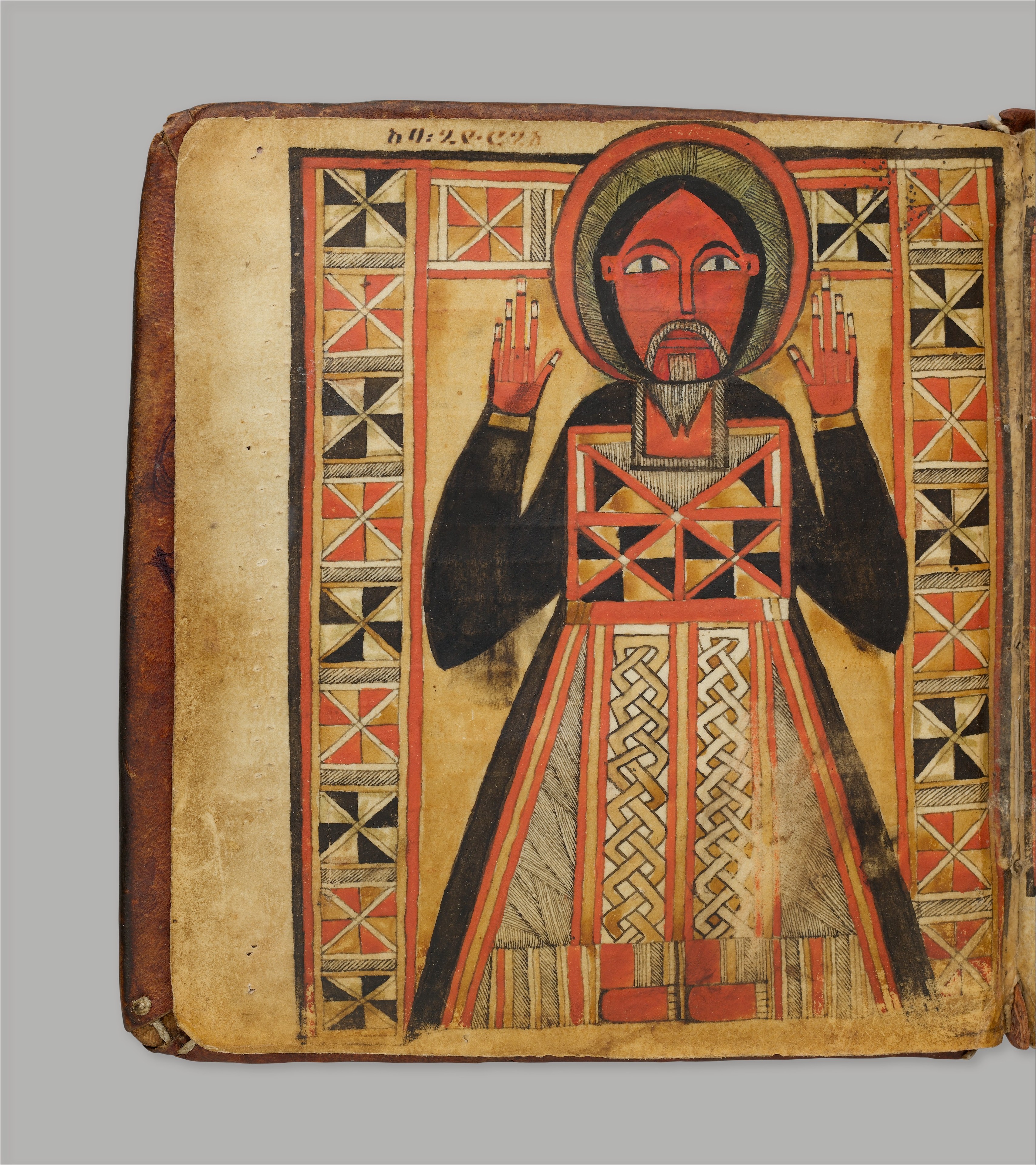
The avant-garde designer operates at the intersection of archaeology and prophecy. To look upon the Arganonä Maryam (The Organ of Mary) prayer book is to witness not a relic of the past, but a blueprint for the future. Sourced from the Global Frontier—a liminal space where cultural boundaries dissolve—this object is a palimpsest of parchment, pigment ink, wood, leather, and fiber. For Zoey Fashion Laboratory, it is not a devotional text; it is a structural manifesto. This analysis deconstructs the prayer book’s material logic to propose a radical SS26 collection defined by futuristic silhouettes and structural innovation that challenge the very notion of garment as second skin.
Material Theology: From Parchment to Prosthetic Skin
The Arganonä Maryam is a study in layered fragility. The parchment—a cured animal skin—retains the memory of its biological origin, its surface a map of veins and scars. The pigment ink, applied in geometric, almost algorithmic patterns, suggests a dialogue between the organic and the scripted. The wood and leather binding acts as an exoskeleton, a rigid frame that protects the supple interior. For SS26, this material hierarchy must be inverted and re-engineered.
Imagine a silhouette that begins as a second skin—a sheer, parchment-like base made from bio-engineered cellulose or recycled fiber. This base is not passive; it is inscribed with conductive ink circuits that pulse with light, mimicking the prayer book’s pigment. Over this, a structural exoskeleton of laser-cut wood veneer and laminated leather panels is suspended, not sewn. These panels form a dynamic cage, a prosthetic architecture that articulates the body’s movement. The garment becomes a living organism, its rigid elements floating above the skin, creating negative space that is as important as the fabric itself. This is the deconstructive aesthetic pushed to its logical extreme: the garment is no longer a covering, but a frame for the body’s inherent form.
Structural Innovation: The Binding as a Bodice
The prayer book’s binding is the most radical element. The leather and wood are not merely functional; they are a structural armature that holds the book’s content in tension. For SS26, this principle translates into a new category of garment: the “tensile bodice.” Instead of traditional seams, the bodice is constructed from a network of leather straps and fiber cords, tensioned like a rigging system. The wood panels—now reimagined as lightweight, CNC-milled plywood or recycled carbon fiber—are inserted into this network, creating a futuristic silhouette that is both armor and exoskeleton.
The innovation lies in the articulation. Unlike a corset, which compresses, this structure expands and contracts with the wearer’s breath. The fiber cords, dyed with natural pigment inks, are woven through eyelets in the wood, allowing for adjustable tension. The result is a silhouette that changes with every gesture—a living sculpture. For a shoulder, the wood panel might flare outward like a page, creating a dramatic, wing-like volume. For a hip, it might curve inward, mimicking the book’s spine. The structural innovation here is not in the material alone, but in the kinetic relationship between rigid and pliable, between binding and release.
Futuristic Silhouettes: The Page as Panel
The prayer book’s pages—each a sheet of parchment—suggest a modular silhouette. In SS26, the garment is no longer a single piece but a series of independent panels that can be arranged, layered, or detached. Think of a long coat constructed from overlapping, irregularly shaped panels of leather and fiber, each one a “page” that can be turned, folded, or pinned. The silhouette becomes a dynamic composition, a visual narrative that the wearer controls.
The futuristic silhouette is defined by asymmetry and off-kilter proportions. A single shoulder is encased in a rigid wood-and-leather structure, while the opposite side is draped in a sheer, ink-stained fiber. The hemline is not fixed; it is a cascade of parchment-like panels that terminate at different heights, echoing the frayed edges of the prayer book. The waist is cinched not by a belt, but by a tensile fiber cord that passes through a series of wooden grommets, creating a visual rhythm of negative space. This is not a garment for the passive observer; it is an active, evolving form.
Deconstructive Aesthetics: The Unfinished as the Finished
The Arganonä Maryam is a testament to the beauty of the unfinished. Its edges are raw, its pages uneven, its binding showing the marks of use. For Zoey Fashion Laboratory, this is a directive to embrace the deconstructive aesthetic as a primary design philosophy. In SS26, hems are left unsewn, seams are exposed, and the interior structure of the garment—the bones, as it were—is celebrated as the design itself.
Consider a dress where the fiber cords that hold the panels together are left exposed, trailing like the prayer book’s tassels. The wood panels are not polished; they retain the grain and burn marks from the laser cutter. The pigment ink is applied in gestural strokes, bleeding into the fiber like a medieval manuscript. The structural innovation is in the visibility of the construction. Every rivet, every knot, every tension point is a design element. The garment is a narrative of its own making, a deconstruction that reveals the process of becoming.
Conclusion: The Organ as Architecture
The Arganonä Maryam is not a prayer book; it is an organ of structure. Its pages, binding, and materials offer a lexicon for SS26 that is both ancient and futuristic. The futuristic silhouettes are not about flash or spectacle; they are about a new relationship between the body and its armor. The structural innovation is not about complexity for its own sake; it is about creating garments that breathe, move, and transform. For Zoey Fashion Laboratory, this prayer book from the Global Frontier is the ultimate muse—a reminder that the most radical future is often hidden in the most sacred past. The SS26 collection will not just clothe the body; it will frame it, articulate it, and reveal its hidden architecture.