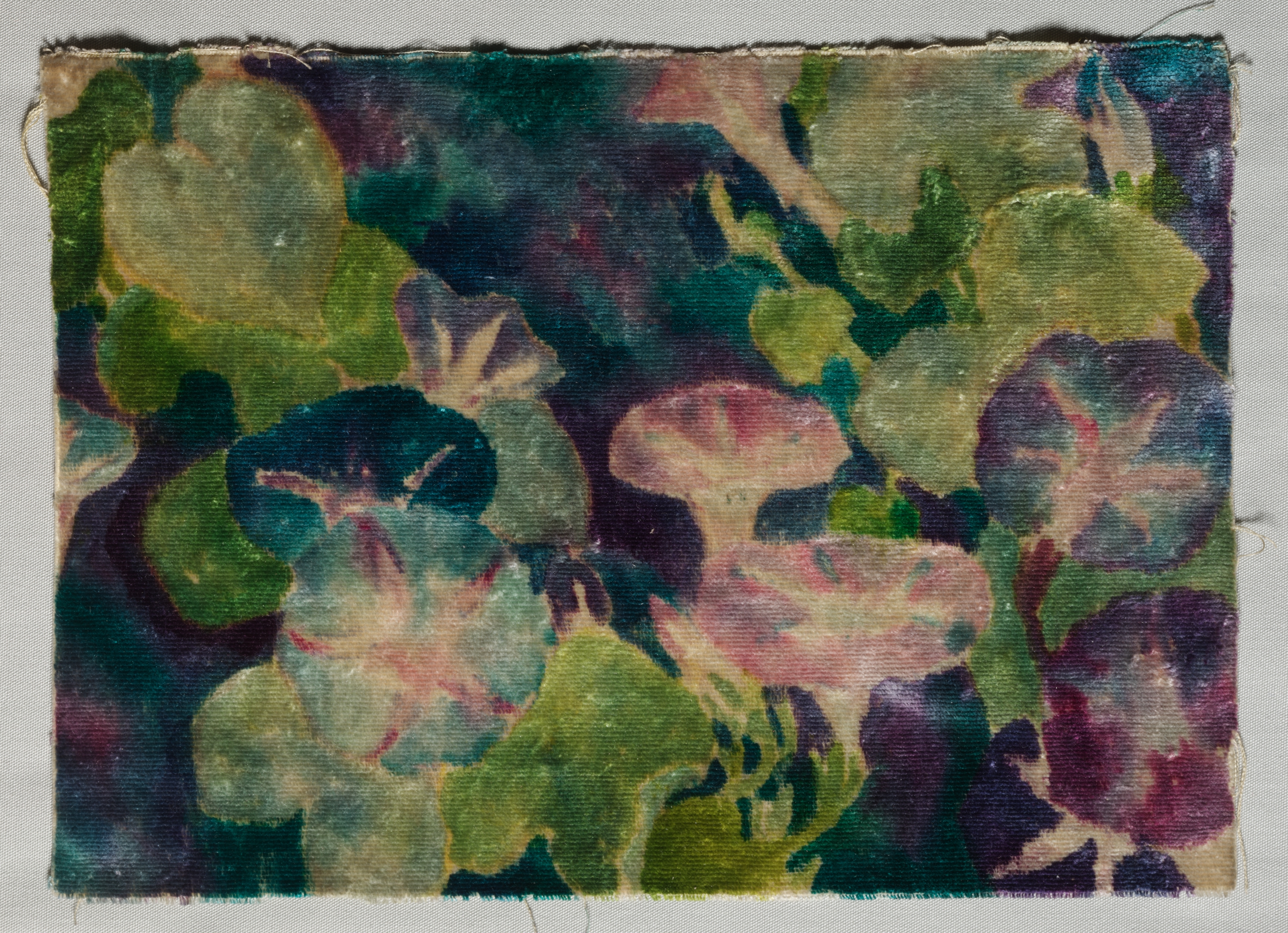
Deconstructing the Stenciled Velvet: A New DNA Strand for Avant-Garde Fashion
As the Chief Fabric Deconstructionist for Zoey Fashion Lab, I am pleased to present this technical and stylistic analysis of a singular material: Stenciled Velvet. Originating from the vibrant textile ecosystem of New York, this fabric represents a pivotal evolution in our understanding of luxury and innovation. It is not merely a textile; it is a New DNA Strand—a genetic blueprint for the future of avant-garde design. This analysis will dissect its provenance, technical composition, and the radical stylistic implications it holds for our collections.
Provenance and Cultural Context: The New York Alchemy
New York, a city of perpetual motion and cultural fusion, has long been a crucible for avant-garde fashion. The Stenciled Velvet we have acquired is a direct product of this environment. Unlike the mass-produced velvets of industrial mills, this fabric is the result of a bespoke, almost alchemical process practiced by a select group of artisans in the city’s garment district and beyond. Its origin is not a sterile factory floor, but a studio where hand and machine coexist in a tense, creative dialogue.
The choice of New York is critical. It imbues the fabric with a narrative of urban intensity, artistic rebellion, and a refusal to conform to traditional hierarchies of textile production. This velvet is not a relic of a bygone era of aristocratic luxury; it is a contemporary statement, born from the chaos and creativity of a global fashion capital. It speaks to a designer who values process, provenance, and the deliberate imperfection of the human hand. The very act of stenciling—a technique often associated with street art and protest—onto a fabric of historical opulence creates a powerful tension, a visual and conceptual contradiction that is the hallmark of the avant-garde.
Technical Analysis: The Anatomy of a New DNA Strand
The fabric’s foundation is plain silk velvet, a material of exceptional quality and inherent luxury. Silk velvet is defined by its dense, upright pile of silk fibers, which creates a deep, lustrous surface that absorbs and reflects light with remarkable depth. The "plain" designation indicates a single, unpatterned pile structure, providing a pristine canvas for the subsequent intervention. This base fabric is not merely a substrate; it is a living, breathing entity with a complex molecular structure. The silk protein, fibroin, is naturally resilient and possesses a unique ability to bond with dyes at a molecular level.
The transformative process is the application of vegetable dyes via stenciling. This is a radical departure from conventional velvet dyeing methods, which typically involve immersion or printing with synthetic chemicals. The use of vegetable dyes—extracts from plants, roots, bark, and insects—introduces a layer of organic complexity. These dyes are not chemically uniform; they vary in concentration, pH sensitivity, and bonding affinity. The stenciling process itself is a form of controlled chaos. A hand-cut or laser-cut stencil is laid upon the velvet, and the dye is applied using a brush, sponge, or spray. The dye penetrates the pile, but its absorption is uneven due to the velvet’s three-dimensional surface. The result is a new DNA strand—a pattern that is not printed on top of the fabric but woven into its very structure at a molecular level.
Key technical characteristics of this process include:
- Variable Saturation: The pile of the velvet creates a "shadow" effect. Dye settles more heavily in the valleys between the fibers, while the tips of the pile may remain lighter or entirely undyed. This creates a moiré-like, shimmering effect that shifts with movement and light.
- Organic Color Palette: Vegetable dyes produce a range of colors that are inherently muted, complex, and unpredictable. Expect deep indigos, madder reds, weld yellows, and tannic browns, often with subtle variations in hue across the fabric. This is not the flat, uniform color of synthetic dyes.
- Structural Integrity: The dyeing process can slightly stiffen the silk fibers, adding a subtle, papery texture to the velvet’s surface. This is not a flaw but a feature—it introduces a new tactile dimension, a tension between the softness of the pile and the crispness of the dyed areas.
- Pattern as Code: The stenciled pattern is not a decorative afterthought; it is a coded message. The precise geometry of the stencil—whether it is a series of interlocking circles, jagged lines, or abstract organic forms—dictates the flow of the dye and the resulting visual rhythm. This pattern becomes the fabric’s unique identifier, its genetic sequence.
Stylistic Implications: The Avant-Garde Manifesto
For Zoey Fashion Lab, this Stenciled Velvet is not a material to be used; it is a material to be performed. Its avant-garde nature demands a design approach that is equally radical. The fabric’s inherent contradictions—opulence versus imperfection, tradition versus disruption, softness versus stiffness—must be amplified, not resolved.
Our design direction should focus on deconstruction and reconstruction. The velvet’s pattern, its "DNA," should be the starting point for garment construction. Consider the following avant-garde applications:
- Asymmetrical Draping: The fabric’s variable saturation and stiffness lend themselves to dramatic, sculptural draping. A single, uncut panel of velvet can be twisted, pinned, and anchored to create a garment that is part architecture, part organic growth. The stenciled pattern will warp and distort with the folds, creating a dynamic, ever-changing visual field.
- Negative Space and Cut-Outs: The stencil itself can be a source of inspiration. Use laser cutting to remove sections of the velvet where the dye has created a particularly intense or interesting pattern, revealing the body or a contrasting underlayer. This creates a dialogue between the fabric’s surface and its absence.
- Layered Transparency: Combine the stenciled velvet with sheer silk organza or tulle. The pattern of the velvet will be partially visible through the overlaid fabric, creating a ghostly, layered effect. This plays with the idea of the "new DNA strand" as something that is both visible and hidden, a genetic code that is partially expressed.
- Textural Contrast: Pair the velvet with materials that are its antithesis: rigid leather, polished metal hardware, or raw, unfinished edges of linen. This juxtaposition heightens the velvet’s unique qualities and reinforces its status as an outlier, a material that refuses to be comfortable or predictable.
Conclusion: A Living Archive
The Stenciled Velvet from New York is more than a fabric; it is a living archive of a specific time, place, and process. Its plain silk velvet base and vegetable dye stenciling create a material that is at once ancient and futuristic, luxurious and rebellious. As a New DNA Strand, it provides the genetic code for a new kind of fashion—one that values process over product, imperfection over precision, and narrative over mere appearance. For Zoey Fashion Lab, this fabric is not an endpoint but a beginning. It is a challenge to our designers to think beyond the conventional, to embrace the unpredictable, and to create garments that are not just worn, but experienced. This velvet is a manifesto, and it is our responsibility to translate its language into the avant-garde forms of tomorrow.