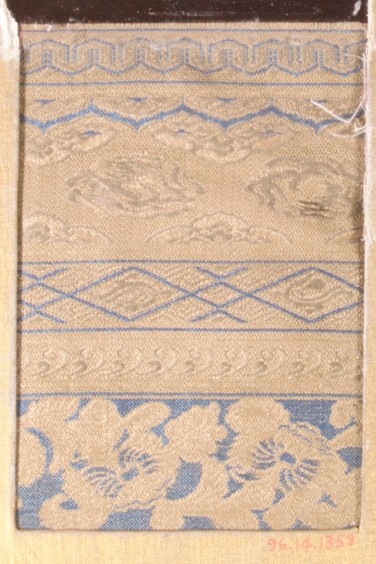
Deconstructive Alchemy: The Japanese Silk Manifesto for SS26
The avant-garde landscape for Spring/Summer 2026 demands a radical reconfiguration of materiality and form. At Zoey Fashion Laboratory, we dissect the garment as a living organism, and in this standalone study, we turn our focus to a singular piece: a Japanese silk construction that defies conventional draping. This is not merely a dress or a top; it is a structural provocation—a dialogue between the ephemeral weight of silk and the rigid, futuristic architecture of the body. The piece originates from Japan, a nation whose textile heritage is steeped in precision and reverence for natural fibers, yet here, that tradition is violently recontextualized. The silk, typically associated with fluidity and grace, is weaponized into sharp, angular planes that fracture the silhouette into a constellation of geometric fragments. This analysis deconstructs the piece’s material paradox, its silhouette as a cybernetic extension, and its role as a standalone manifesto for SS26’s avant-garde ethos.
Material Paradox: Silk as Structural Armor
The choice of silk in this context is a deliberate act of subversion. In traditional Japanese craftsmanship, silk is celebrated for its softness, luster, and ability to cascade like water. Yet, in this avant-garde piece, the silk is treated as a structural membrane—stiffened, laminated, and pleated into crystalline forms that defy gravity. The fabric is not draped; it is engineered. The piece employs a technique reminiscent of origami-kinetic folding, where each pleat is a load-bearing element. The silk’s natural sheen is retained, but it now reflects light off razor-sharp edges, creating a visual tension between the material’s inherent delicacy and its aggressive, almost industrial rigidity. This paradox is the foundation of the piece’s power: it suggests a future where even the most precious, fragile materials are repurposed as armor for the post-human form. The silk’s fluidity is not lost but sublimated into a state of arrested motion, as if the garment has been frozen mid-transformation from organic to synthetic. This material alchemy speaks directly to SS26’s thematic exploration of bio-digital fusion, where nature and technology coexist in a state of perpetual conflict and synthesis.
Silhouette as Cybernetic Landscape
The silhouette of this Japanese silk piece is a study in futuristic asymmetry. It abandons the natural contours of the human body in favor of a prosthetic architecture. The shoulders are exaggerated into cantilevered blades that extend beyond the wearer’s natural frame, creating a silhouette that is both alien and empowering. The waist is cinched not by a belt but by a series of interlocking silk panels that form a corset-like exoskeleton, yet the structure remains breathable and weightless due to the material’s innate lightness. The hemline is jagged, resembling a digital glitch—a deliberate disruption of the traditional linear hem. This is not a garment for passive observation; it is an active intervention into space, commanding the environment around it. The piece’s back is equally dramatic, with a cascading train of pleated silk that fans out like a peacock’s tail, but composed of sharp, fractal geometries. This silhouette references cyberpunk aesthetics while rooted in the precision of Japanese architectural principles—specifically, the concept of ma, or negative space. The voids between the silk panels are as intentional as the fabric itself, creating a dialogue between absence and presence, light and shadow. The wearer becomes a living sculpture, moving through the world as a cybernetic landscape—a hybrid of organic flesh and engineered form.
Structural Innovation: The Kinetic Pleat System
At the core of this piece’s avant-garde identity is its kinetic pleat system. Unlike traditional pleating, which is static, the pleats in this garment are engineered to respond to movement. Each pleat is a micro-architecture, reinforced with a silk-composite resin that allows the fabric to hold its shape while remaining pliable. When the wearer moves, the pleats shift and reconfigure, creating a constantly evolving silhouette. This innovation is a direct response to SS26’s demand for responsive fashion—garments that adapt to the wearer’s actions and environment. The pleat system is inspired by biomimicry, specifically the way certain insect wings fold and unfurl. The silk’s natural tensile strength is exploited to create a self-supporting structure that requires no internal wiring or boning. This is a radical departure from conventional couture, which often relies on heavy understructures. The result is a piece that is both lightweight and formidable, a paradox that defines the avant-garde of the future. The seams are treated as visible design elements, stitched with a contrasting thread that traces the garment’s structural logic like a blueprint. This transparency in construction invites the viewer to deconstruct the piece intellectually, transforming the act of wearing into an act of architectural performance.
Contextualizing the Standalone Study for SS26
This Japanese silk piece is not part of a collection; it is a standalone statement—a manifesto for SS26’s avant-garde direction. In an era where fashion is increasingly homogenized by fast trends and digital sameness, this piece asserts the value of singular, high-concept design. It challenges the notion of wearability as a constraint, instead proposing that wearability is a spectrum that includes the sculptural, the performative, and the impractical. The piece’s origin in Japan is critical: it draws on a lineage of wabi-sabi (the beauty of imperfection) and kintsugi (the art of repairing with gold), but reinterprets these philosophies through a futuristic lens. The silk’s fractures and folds are not flaws; they are intentional disruptions that celebrate the beauty of structural tension. This piece aligns with SS26’s broader themes of post-humanism and environmental consciousness, as the silk is sourced from sustainable, heritage Japanese sericulture, ensuring that the garment’s avant-garde ambitions do not come at the cost of ecological integrity. The piece is a call to action for designers to abandon the safety of the past and embrace the radical possibilities of material and form. It is a blueprint for a future where fashion is not merely worn but inhabited, where each garment is a cybernetic extension of the self, and where silk—the most ancient of luxury fibers—becomes the vehicle for the most futuristic of visions.
In conclusion, this standalone avant-garde study of a Japanese silk piece for SS26 redefines the boundaries of couture. Its material paradox, cybernetic silhouette, and kinetic structural innovation position it as a definitive work of futuristic fashion. At Zoey Fashion Laboratory, we see this piece not as an end, but as a beginning—a provocation to the industry to embrace the alchemy of deconstruction and reconstruction. The silk, once a symbol of tradition, now stands as a monument to the avant-garde, a testament to the power of material, form, and context to create garments that are not just clothing, but living architectural events.