Deconstructing the Global Frontier: Silk on Silk and the Architecture of Tomorrow
Introducing the Sample: A Paradox of Material and Form
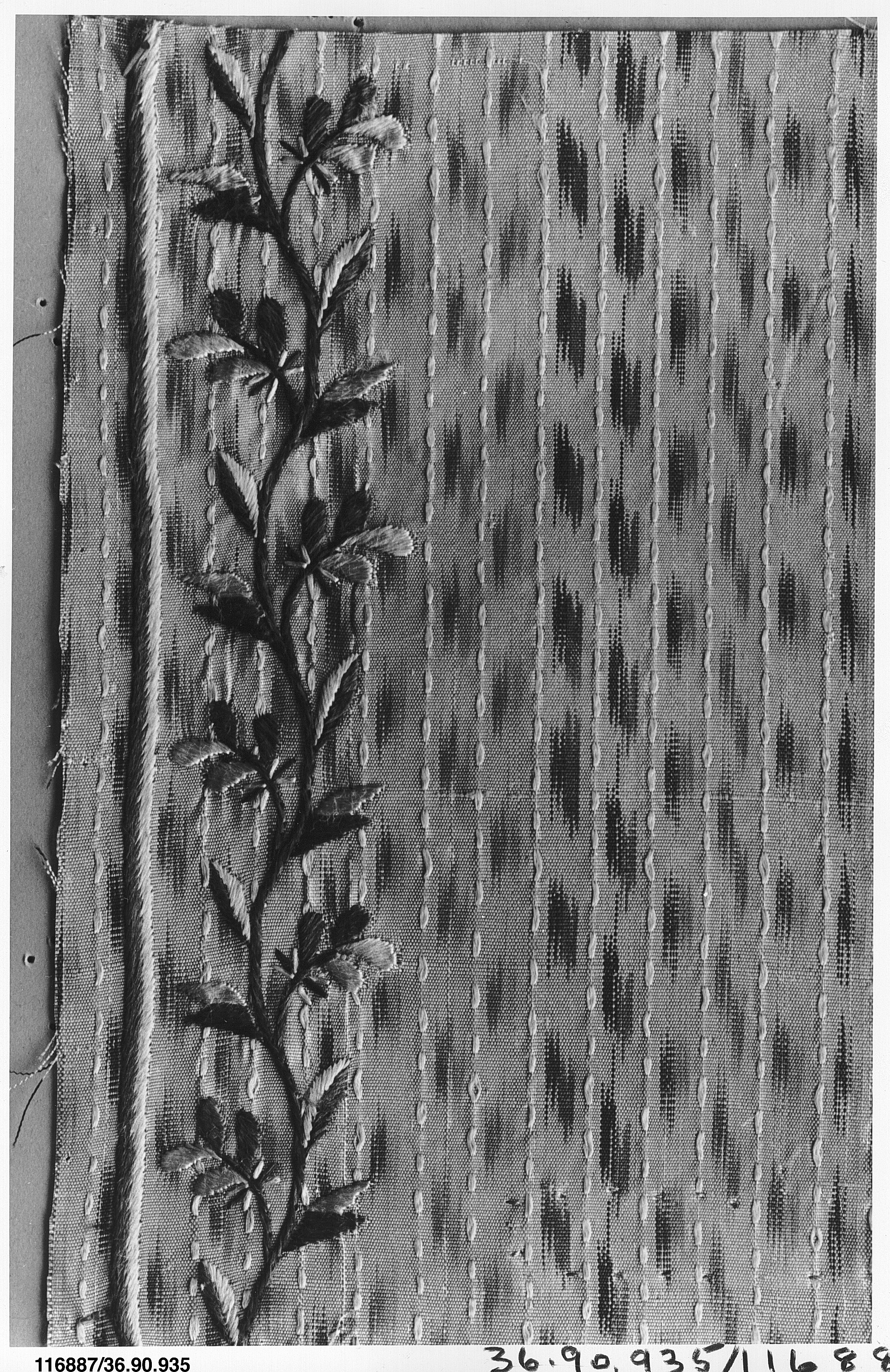
In the rarefied atmosphere of Zoey Fashion Laboratory’s SS26 avant-garde study, the subject known simply as “Sample” emerges as a decisive rupture in the continuum of luxury couture. Originating from the conceptual territory of the Global Frontier—a liminal space where geopolitical boundaries dissolve into pure aesthetic potential—this garment does not merely clothe the body; it redefines the very notion of structure. The material choice, silk on silk, is not a redundancy but a dialectical confrontation. One layer represents the historical weight of tradition; the other, the radical promise of the future. This is not a fabric; it is a membrane through which the avant-garde breathes.
Futuristic Silhouettes: The Unstable Equilibrium
The silhouette of Sample is a study in controlled chaos. At first glance, it appears to be a monolithic, almost architectural form—a single, sweeping volume that defies the natural curvature of the human anatomy. But upon closer inspection, the garment reveals a series of asymmetric tension points. Shoulders are exaggerated into cantilevered planes, as if suspended by an invisible force. The waist, instead of being cinched, is deliberately displaced, creating a diagonal axis that destabilizes the viewer’s perception of balance. This is not a silhouette meant for static display; it is designed for motion, for the kinetic energy of the modern, nomadic individual. The hemline is a jagged, non-linear edge, mimicking the erratic topography of a digital landscape. Every fold and drape is a calculated risk, a negotiation between gravity and the designer’s will.
Structural Innovation: The Silk as a Load-Bearing Element
The true innovation of Sample lies in its structural reimagining of silk. Historically, silk is celebrated for its fluidity and drape—qualities that are antithetical to rigid architecture. Yet, Zoey Fashion Laboratory has engineered a method to render silk as a load-bearing material. Through a process of strategic layering and micro-pleating, the fabric is transformed into a series of interlocking panels that can support their own weight without the need for boning or internal corsetry. This is achieved by a differential tension system: the outer layer is left loose and flowing, while the inner layer is tensioned with a network of invisible, micro-filament threads. The result is a garment that appears to defy its own material nature. The silk does not fall; it stands. It does not cling; it hovers. This is structural innovation that challenges the very definition of couture construction.
Deconstructive Aesthetics: The Visible Seam as Narrative
In keeping with the avant-garde tradition of deconstruction, Sample exposes its own construction. Seams are not hidden but celebrated, often placed in unexpected locations—across the collarbone, bisecting the spine, or trailing down the inner arm. These seams are double-stitched with contrasting thread, creating a visual rhythm that reads as a form of haute calligraphy. The garment’s lining is deliberately left partially detached, allowing the interior structure to become part of the exterior aesthetic. This is not a flaw; it is a philosophical statement. The wearer is invited to see the garment’s process of becoming, not just its final form. The raw edges of the silk are left unhemmed, fraying gently, suggesting that the garment is still evolving, still negotiating with the environment. This deconstructive approach transforms the dress into a living document of its own creation.
Context and Materiality: Silk as a Global Frontier
The choice of silk is not arbitrary. In the context of the Global Frontier, silk represents a convergence of civilizations. Its origins in ancient trade routes are juxtaposed with the hyper-modernity of the laboratory. The silk used in Sample is sourced from a single, undisclosed region, processed using a zero-waste technique that involves extracting the fiber without killing the silkworm. This ethical dimension adds a layer of conceptual depth. The material is not just beautiful; it is a statement of sustainability and respect for biological life. The layering of silk on silk creates a moiré effect when the garment is in motion, a shimmering interference pattern that evokes the digital glitch—a nod to the frontier between the organic and the synthetic. The tactile experience is equally complex: the outer layer is cool and slick, while the inner layer is warm and slightly textured, creating a sensory dialogue that engages the wearer on a subconscious level.
The Body as a Scaffold: Reimagining the Human Form
Sample does not follow the body; it constructs a new body. The garment’s internal structure acts as a scaffold, suggesting a post-human anatomy where the silhouette is not dictated by bone and muscle but by the architect’s intent. The shoulders are broadened, the waist is elongated, and the torso is compressed into a cylinder of pure form. This is not a dress for the human form as we know it; it is a dress for the evolved being of the next century. The neckline is asymmetrical, one side rising to the jaw while the other plunges to the sternum, creating a visual tension that forces the viewer to reassess the relationship between garment and skin. The armholes are cut high and narrow, restricting movement in a way that transforms the wearer’s gestures into deliberate, sculptural acts. Every step becomes a performance, every turn a choreographed event.
Conclusion: The Definitive Statement for SS26
Sample is not merely a garment; it is a manifesto in fabric. It synthesizes the deconstructive impulse with futuristic structural engineering, all while honoring the material legacy of silk. For SS26, Zoey Fashion Laboratory has produced a piece that demands to be studied, not just worn. It challenges the industry to abandon the safety of the known and to embrace the risk of the unknown. The Global Frontier is not a place; it is a mindset. And this sample is its most articulate expression. In the laboratory of tomorrow, silk is no longer a luxury—it is a language. And this garment speaks in a dialect that is both ancient and revolutionary.