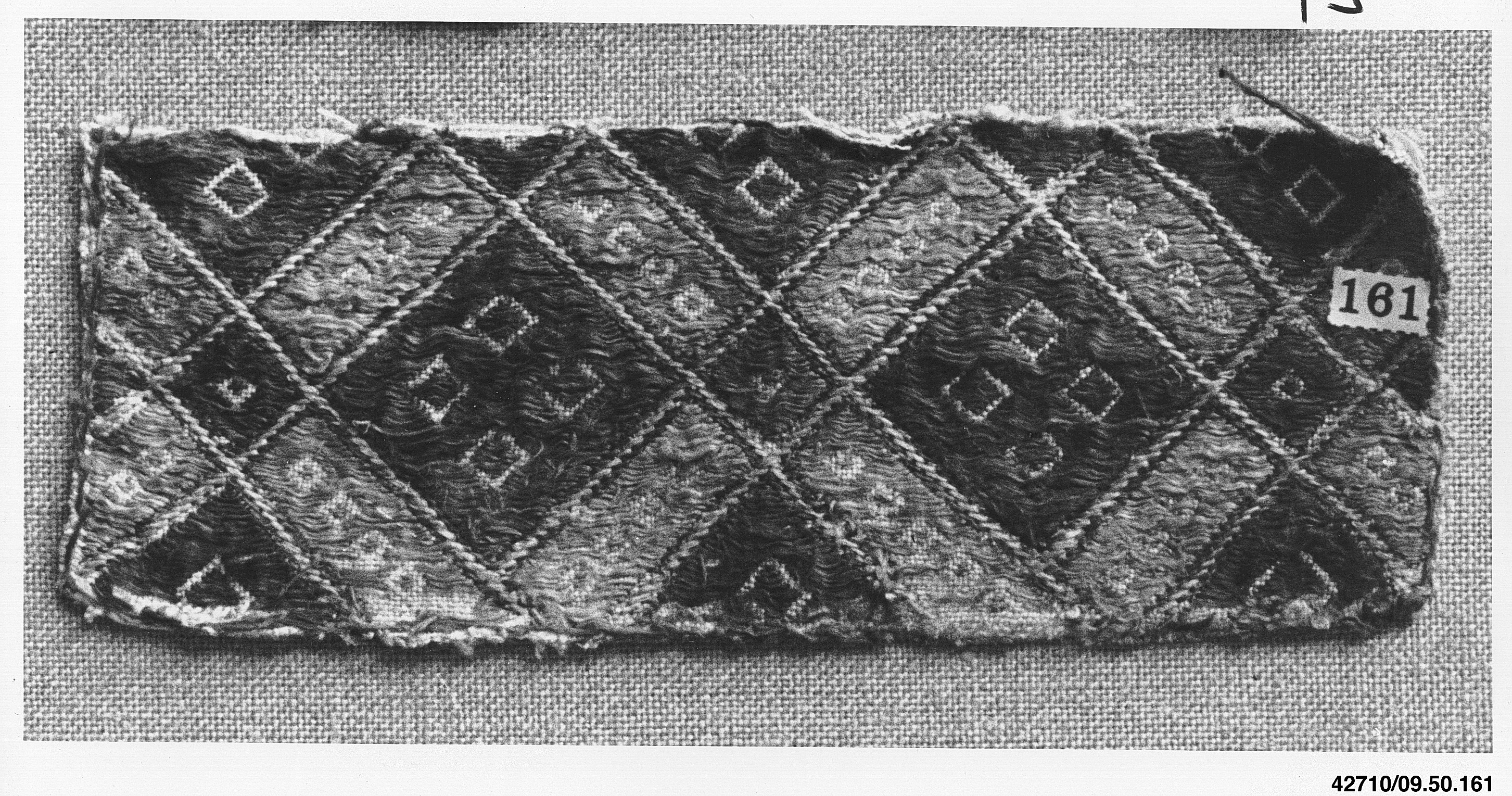
Deconstructing the Frontier: The Peasant Fragment as Avant-Garde Blueprint for SS26
The Zoey Fashion Laboratory’s latest standalone study, “Peasant Costume Fragment: Global Frontier,” is not a nostalgic nod to agrarian pasts but a radical reclamation of the future. In an era where fashion often vacillates between sterile minimalism and chaotic maximalism, this piece—crafted from silk on canvas—emerges as a tectonic shift. It is a deconstructive manifesto that weaponizes the most humble of origins to forge a silhouette that is both archaic and futuristic. This analysis dissects how the fragment serves as a structural and philosophical cornerstone for Spring/Summer 2026, challenging the very notion of what a garment can become when history is not merely referenced but violently reassembled.
I. The Fragment as a Temporal Anomaly
The peasant costume fragment is not a relic; it is a time-traveling entity. In the Laboratory’s hands, it is stripped of its historical specificity—the rural toil, the communal identity, the geographic markers—and transformed into a pure, abstracted form. The silk-on-canvas medium is the first act of subversion. Silk, traditionally associated with luxury and fluidity, is here married to canvas, a material of utility and structure. This juxtaposition creates a frictional tension: the silk’s supple drape is arrested by the canvas’s rigidity, producing a surface that is simultaneously soft and armored. The fragment is not a complete garment but a generative seed, a single panel that suggests a larger, unfinished narrative. This intentional incompleteness is the hallmark of avant-garde couture—it forces the viewer to confront the architecture of absence.
The fragment’s edges are raw, unhemmed, and deliberately distressed. This is not decay but a designer’s scalpel—a deliberate excision of the predictable. For SS26, this translates into a silhouette that is asymmetric and volumetric. The canvas provides the structural spine, while the silk introduces unpredictable folds and cascades. The result is a garment that appears to be in a state of perpetual becoming, a frozen moment of deconstruction that paradoxically feels more complete than any pristine, finished piece.
II. Futuristic Silhouettes: The Architecture of the Dislocated Body
The Zoey Fashion Laboratory’s SS26 vision rejects the body as a passive mannequin. Instead, the peasant fragment is deployed to redefine the human form as a landscape. The canvas base is cut to create exaggerated shoulder blades, a protruding hip bone, or a hollowed-out torso—a futuristic exoskeleton that exaggerates and distorts natural anatomy. This is not about enhancing the body but about creating a new anatomical language. The silk, when layered over these structural protrusions, behaves like a second skin that is both protective and vulnerable. It billows where the canvas is absent, creating negative space that becomes as important as the fabric itself.
The silhouette is not draped; it is engineered. The fragment is used as a modular component—a single panel that can be rotated, folded, or suspended. For a standalone avant-garde study, this means the garment can be worn in multiple configurations: as a cape that wraps the back, a cowl that frames the face, or a skirt that is asymmetrically anchored to the hip. The peasant origin is crucial here—the fragment’s original function (a sleeve, a bodice, a hem) is erased, and its new purpose is structural innovation. The silhouette for SS26 is defined by sharp, angular lines that cut through space, interrupted by organic, flowing silk that softens the geometry. This is the dialectic of chaos and order, a hallmark of the Laboratory’s deconstructive aesthetic.
III. Material Alchemy: Silk on Canvas as a Futuristic Composite
The choice of silk on canvas is a deliberate act of material alchemy. Canvas, with its coarse weave and tensile strength, provides the skeletal framework—the “bones” of the garment. Silk, with its luster and fluidity, is the flesh. The interaction between these two materials is the core of the structural innovation. The canvas is cut with precision, its edges left raw to fray, creating a frayed silhouette that mimics the erosion of time. The silk is then bonded to the canvas in specific stress points—the shoulders, the waist, the back—using a heat-pressed adhesive that creates a seamless, almost architectural joint.
This composite material behaves unlike any single textile. It is rigid yet pliable, heavy yet airy. When heat is applied, the canvas stiffens, while the silk softens, producing a dynamic tension that allows the garment to hold its shape without internal boning. For SS26, this means the fragment can be manipulated into futuristic, sculptural forms—a collar that extends into a wing-like structure, a sleeve that inflates into a spherical volume, a hem that flares into a parabolic arc. The material itself becomes the primary tool for silhouette creation, eliminating the need for excessive darts, seams, or padding. It is a minimalist’s approach to maximalist form, a paradox that defines the Laboratory’s ethos.
IV. Context and Cultural Commentary: The Global Frontier as a Deconstructive Lens
The “Global Frontier” context is not geographical but conceptual. It refers to the boundary between the known and the unknown, the historical and the speculative. The peasant costume fragment, sourced from a global context, is stripped of its ethnic or regional identity. It becomes a universal archetype—the worker’s garment, the maker’s cloth. By decontextualizing it, the Laboratory critiques the fashion industry’s tendency to exoticize or romanticize “folk” traditions. Instead, the fragment is used as a blank slate for futuristic expression. This is a post-colonial deconstruction: the fragment is not a costume but a tool for liberation from cultural baggage.
For SS26, this translates into a silhouette that is genderless, ageless, and borderless. The fragment’s modularity allows it to adapt to any body type, and its raw, unfinished edges reject the notion of a “finished” garment. This is a radical inclusivity that does not dilute the avant-garde edge but amplifies it. The peasant origin is not a reference to the past but a blueprint for a future where clothing is fluid, adaptive, and inherently deconstructive.
V. Structural Innovation: The Undone Seam and the Generative Fold
The Laboratory’s SS26 study introduces two key structural innovations: the undone seam and the generative fold. The undone seam is a deliberate break in the garment’s construction—a seam that is partially stitched, leaving a gap that reveals the canvas’s raw interior. This exposed interior becomes a design feature, a window into the garment’s construction. It challenges the viewer to see the process as the product, a core tenet of deconstructive fashion. The generative fold is a fold that is not pressed but engineered to hold its shape through material tension. The silk and canvas are cut with a bias that creates a natural curve, allowing the fabric to fold into a permanent, sculptural pleat without stitching.
These innovations are not decorative but functional. The undone seam allows for adjustability—the garment can be tightened or loosened by pulling on the raw edges. The generative fold creates volumetric pockets that can hold air or fabric, producing a silhouette that changes with movement. For SS26, this means the peasant fragment is not a static object but a living, breathing entity that interacts with the wearer and the environment. It is a futuristic armor for the post-human body, a garment that is as much about the space it occupies as the form it clothes.
VI. Conclusion: The Fragment as a Declaration
Zoey Fashion Laboratory’s “Peasant Costume Fragment: Global Frontier” is not a study of the past but a declaration of the future. It proves that the most radical avant-garde couture does not require new materials or technologies—only a new way of seeing. By deconstructing a humble, global artifact and reconstructing it through silk on canvas, the Laboratory has created a futuristic silhouette that is both timeless and timely. For SS26, this piece stands as a testament to the power of structural innovation, material alchemy, and deconstructive aesthetics. It is a call to arms for designers to look not at the future but at the fragments of the past, and to find within them the blueprints for a new world. The peasant is no longer a figure of the frontier; they are the architect of the avant-garde.