The Architectural Deconstruction of Saint Mark: A Futurist Manifesto for SS26
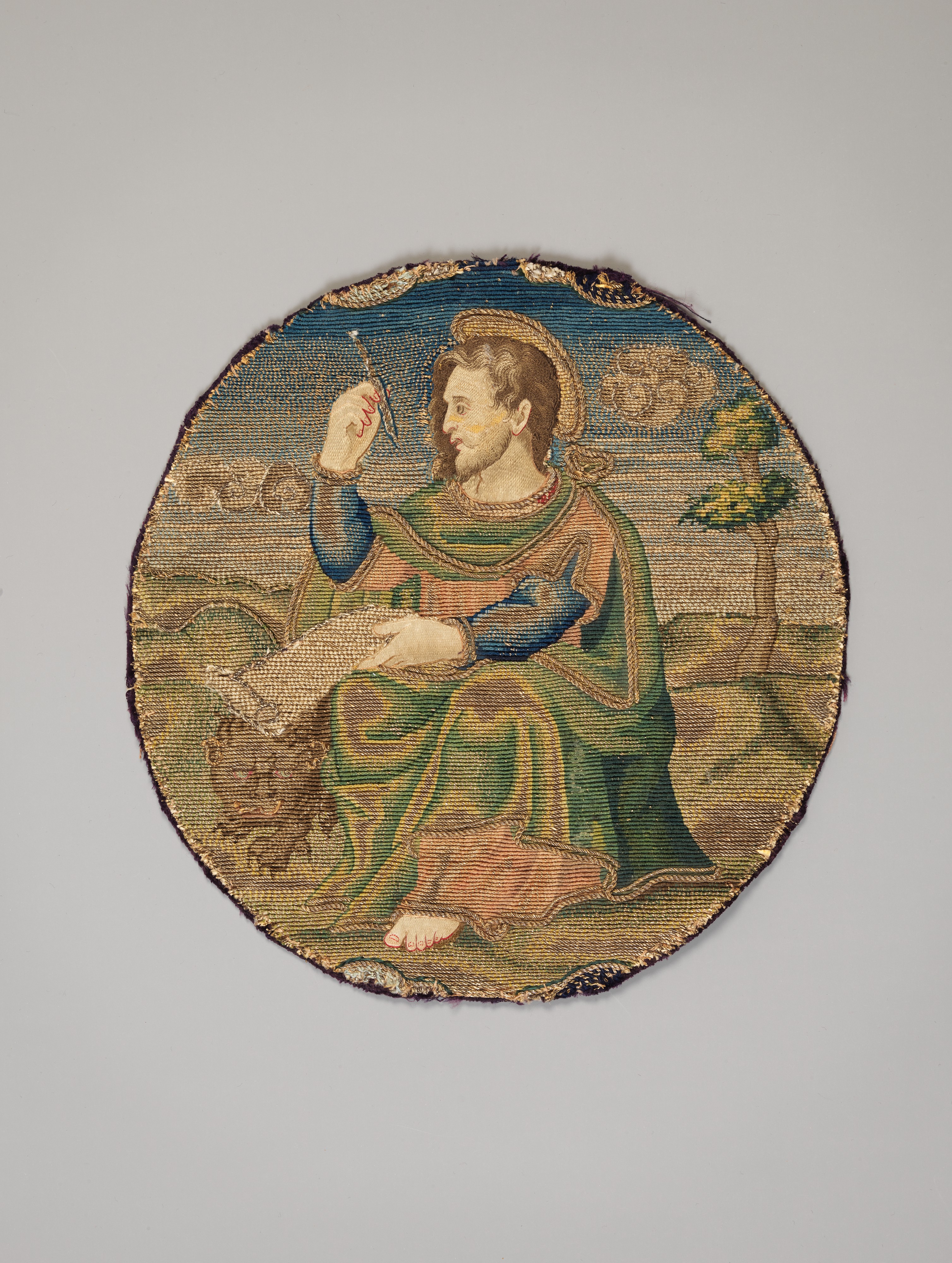
In the rarefied echelons of avant-garde couture, where garment construction transcends mere clothing to become a dialogue with history, technology, and the human form, Zoey Fashion Laboratory presents a singular study: Saint Mark (one of four). This piece, originating from the conceptual crucible known as the Global Frontier, is not a garment in the traditional sense. It is a sculptural provocation, a thesis on the future of silhouette, rendered in a dialect of silk and metal-wrapped thread on canvas. For the SS26 season, this analysis dissects how Saint Mark redefines structural innovation, proposing a new lexicon for the post-humanist wardrobe.
The Global Frontier: A New Geography of Inspiration
The designation “Global Frontier” is not a geographical marker but a philosophical one. It implies a state of perpetual transition, a liminal space where cultural, technological, and material boundaries dissolve. Saint Mark emerges from this ether, rejecting the parochialism of historical references in favor of a syncretic vision. The title itself—Saint Mark—evokes the iconography of Venetian reliquary and Byzantine mosaics, yet the execution is radically disconnected from any specific locale. Instead, the piece channels the fractured digital aura of a saint in the age of cybernetic transcendence. The silk provides a luminous, almost liquid base, while the metal-wrapped thread—a material commonly reserved for liturgical embroidery or industrial wiring—introduces a tension between the sacred and the synthetic. This is not a homage; it is a reclamation of archetype for a future where the body is both canvas and circuit.
Silhouette as Structural Disruption
The central thesis of Saint Mark lies in its silhouette: a radical departure from the human-centric forms that have dominated couture for centuries. The piece eschews the natural waist, shoulders, and hips in favor of an asymmetrical, cantilevered architecture. The canvas base, treated with a stiffening agent that mimics the rigidity of carbon fiber, is cut into interlocking panels that project outward from the torso at acute angles. These panels are not draped; they are engineered. The silk, rather than flowing freely, is tensioned across these structural armatures, creating a series of hyperbolic paraboloids—geometric forms that curve in two directions simultaneously. This is not a silhouette that follows the body; it is a silhouette that redefines the body’s perimeter, creating a new spatial envelope.
The metal-wrapped thread is stitched in dense, algorithmic patterns across the silk, forming a network of conductive lines that mimic neural pathways. This is not decorative; it is functional ornamentation. The thread adds weight and tensile strength, allowing the canvas to hold its shape without internal boning or corsetry. The result is a garment that stands independent of the wearer, a self-supporting exoskeleton that suggests a future where clothing is no longer a second skin but a third dimension of space. For SS26, this silhouette proposes a shift from the wearable to the inhabitable—a garment that is less an accessory and more an environment.
Material Alchemy: Silk, Metal, and the Canvas of Tomorrow
The materiality of Saint Mark is a study in contradiction. Silk, a protein fiber associated with luxury, softness, and historical couture, is here rendered rigid and architectural. The metal-wrapped thread—often copper or silver-coated—introduces a conductive, almost technological element. Yet the piece is not electronic; it is not lit or interactive. Instead, the metal thread serves as a visual and tactile conduit for the idea of energy, of latent power. The canvas base, typically a substrate for painting, becomes the primary structural element, elevating the garment to the status of a painted sculpture. This is a deliberate move toward material deconstruction: the silk is no longer a fabric to be worn but a surface to be inscribed, the metal thread a tool for drawing in three dimensions.
The treatment of the canvas is equally innovative. It is pleated and heat-set into permanent folds that echo the drapery of classical statuary, but these folds are then deliberately fractured by the insertion of metal-thread seams. The result is a surface that oscillates between continuity and rupture, a visual metaphor for the fragmentation of identity in a digital age. The color palette is deliberately restrained: a monochrome of ivory silk against the dark, oxidized tones of the metal thread, punctuated by the raw, unbleached canvas. This asceticism allows the structural innovation to take center stage, unencumbered by chromatic distraction.
Structural Innovation: The Cantilever and the Void
The most radical structural innovation in Saint Mark is the use of the cantilever. The garment’s primary panels extend outward from the torso without visible support, creating voids of negative space between the body and the fabric. This is achieved through a system of hidden tension cables made from the metal-wrapped thread, which anchor the panels to a central, corset-like core. However, this core is not restrictive; it is a distributed load-bearing system that transfers weight from the shoulders to the hips via a lattice of interlocking seams. The result is a silhouette that appears to float, defying gravity and the logic of traditional tailoring.
This approach has profound implications for SS26. It suggests a future where garments are no longer sewn but assembled, where the seam is a structural joint rather than a mere connection. The void becomes a design element, a deliberate absence that defines the presence of the garment. In Saint Mark, the space between the body and the fabric is not empty; it is charged with potential, a zone of interaction where the wearer’s movement is both constrained and liberated. This is a silhouette that demands a new posture, a new way of inhabiting space. It is not for the passive consumer; it is for the active participant in the performance of daily life.
Conclusion: The Saint as Cyborg Archetype
Saint Mark (one of four) is not merely a garment; it is a manifesto. It declares that the future of couture lies not in the refinement of tradition but in the radical reimagining of structure. By fusing the sacred iconography of a saint with the industrial language of metal and canvas, Zoey Fashion Laboratory proposes a new archetype: the cyborg saint, a figure of transcendent materiality. For SS26, this piece challenges designers to abandon the organic in favor of the engineered, to see the body not as a template but as a site of architectural intervention. The silk and metal-wrapped thread are not materials; they are the code for a new reality. In the Global Frontier, the saint is no longer a relic of the past; it is a blueprint for the future.