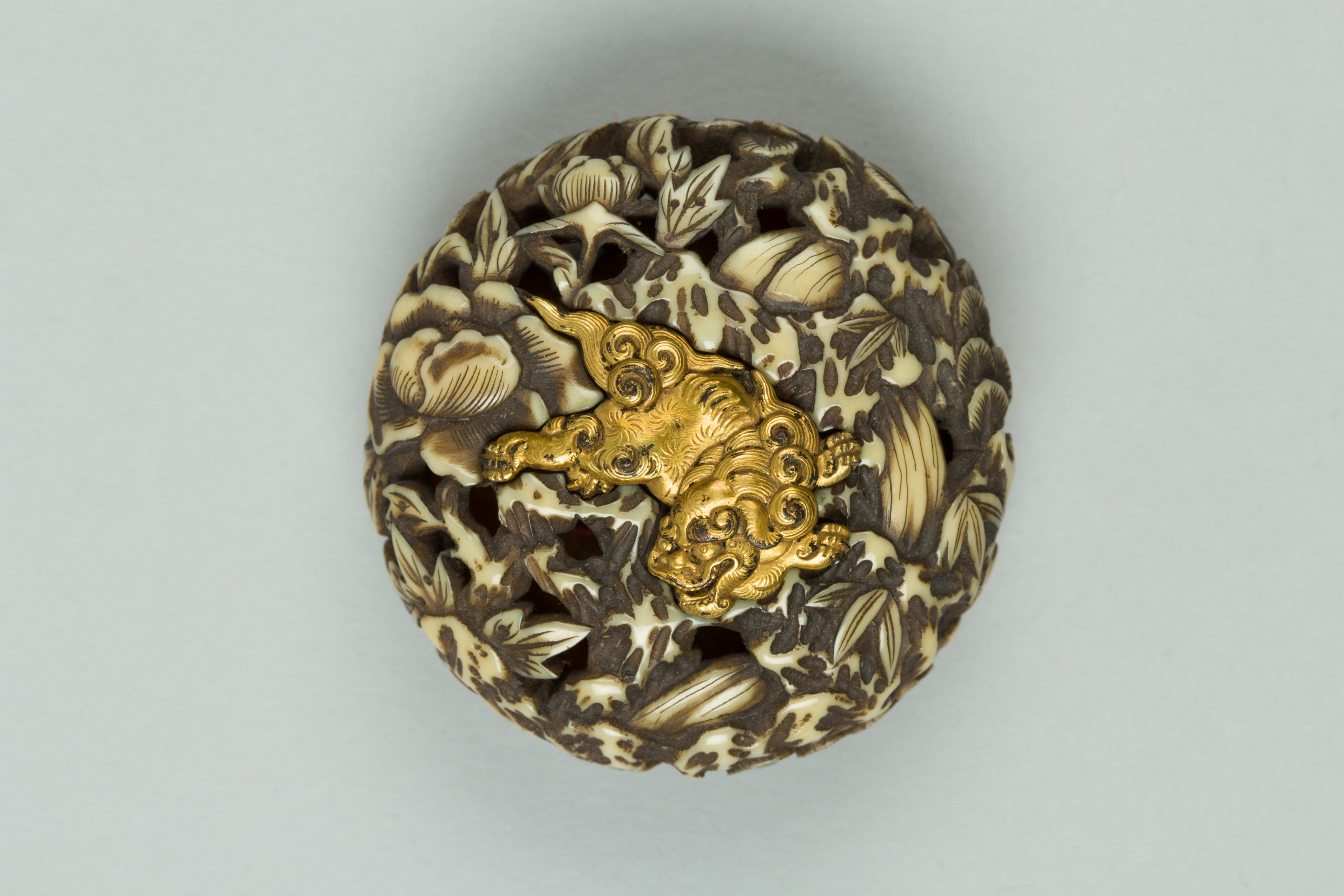
Netsuke Reimagined: The Deconstructive Architecture of Zoey Fashion Laboratory’s SS26 Avant-Garde Study
In the hallowed corridors of Zoey Fashion Laboratory, where the future of garment construction is perpetually renegotiated, the Netsuke emerges not as a mere historical artifact but as a radical blueprint for SS26. This Japanese toggle, traditionally carved from ivory with meticulous openwork and adorned in gold, becomes a philosophical and structural catalyst for a collection that defies the static nature of contemporary fashion. Here, the Netsuke’s symbiotic relationship with the inro—a portable medicine case—is deconstructed, abstracted, and reconfigured into a futuristic silhouette that challenges the very anatomy of clothing. The ivory’s organic warmth, the gold’s opulent rigidity, and the openwork’s negative space are transmuted into a language of tension, release, and kinetic architecture.
Deconstructing the Toggle: From Functional Object to Structural Paradigm
The Netsuke’s primary function was utilitarian: a counterweight to secure an inro to an obi sash. In Zoey’s avant-garde lexicon, this functional anchor is reimagined as a load-bearing element that disrupts traditional garment construction. The ivory carving, with its intricate openwork, is not replicated but reinterpreted through 3D-printed bio-resin and laser-cut titanium, creating modular components that act as both fasteners and structural exoskeletons. The openwork—those delicate voids carved into the ivory—becomes a metaphor for transparency and permeability. In SS26, this translates to negative-space tailoring: garments that are defined as much by their absence as by their presence. Jackets and bodices feature strategic cutouts that mimic the Netsuke’s filigree, allowing the skin to function as a living canvas, while the gold ornamentation is transformed into micro-articulated panels that catch light and movement, creating a shimmering, kinetic armor.
Futuristic Silhouettes: The Anatomy of Tension and Release
The Netsuke’s role as a toggle—a device that holds and releases—inspires a silhouette defined by dynamic tension. Zoey’s SS26 collection abandons the soft drape of traditional couture for a sculptural, almost robotic form. The “Inro Silhouette” is a case study in this philosophy: a modular top that features a central, golden toggle-like clasp at the sternum, which allows the wearer to adjust the garment’s volume and shape. When fastened, the fabric compresses into a sleek, second-skin fit; when released, it unfolds into a dramatic, wing-like cape. This mechanism, inspired by the Netsuke’s ability to secure and free the inro, introduces a new vocabulary of transformative wearability.
The “Ivory Lattice” dress exemplifies the openwork aesthetic. Constructed from a lattice of carbon-fiber-reinforced polymer (a nod to the ivory’s strength) and interwoven with gold-threaded mesh, the dress appears to float around the body. The lattice is not merely decorative; it acts as a tension structure, with each node engineered to distribute weight and create a gravity-defying silhouette. The gold ornamentation is rendered as geometric filigree that traces the body’s meridians, evoking the Netsuke’s intricate carving while suggesting a futuristic exoskeleton. The result is a garment that is both armor and ethereal, a paradox that defines Zoey’s avant-garde ethos.
Material Alchemy: Ivory’s Warmth and Gold’s Rigidity
The material palette for SS26 is a study in contrasts, mirroring the Netsuke’s composition. The ivory, with its creamy, organic texture, is referenced through sustainable bio-ceramics and molded plant-based polymers that mimic the material’s translucency and warmth. These materials are used for structural underlays—corsetry, shoulder yokes, and hip cages—that provide a soft, anatomical foundation. In contrast, the gold is reimagined through liquid metal finishes and micro-etching on recycled aluminum and brass, creating a reflective surface that plays with light and shadow. The gold ornamentation is not applied as a surface decoration but integrated as a functional element: hinges, clasps, and pivot points that facilitate the garment’s transformative mechanisms.
One standout piece, the “Netsuke Exoskeleton”, is a hybrid of these materials. A jacket constructed from segmented bio-ceramic plates (reminiscent of carved ivory) is connected by gold-plated titanium joints. The openwork pattern is laser-cut into the plates, allowing the underlying fabric—a micro-pleated silk organza—to peek through. This interplay of solid and void, rigid and fluid, echoes the Netsuke’s duality as a carved object that is both dense and airy. The gold joints are not merely decorative; they are engineered to allow a full range of motion, transforming the jacket into a second skin that moves with the body, rather than restricting it.
Structural Innovation: The Netsuke as a Modular System
At the core of Zoey’s SS26 study is the concept of modularity, drawn from the Netsuke’s role as a component in a larger system (the inro and its cord). The collection introduces a “Toggle System” of interchangeable fasteners and connectors that allow garments to be reconfigured in multiple ways. A single base garment—a simple shift dress or a tailored jumpsuit—can be transformed with the addition of Netsuke-inspired modules: shoulder caps, hip extensions, or train-like appendages that attach via magnetic or mechanical toggles. These modules are carved from the same bio-ceramic and gold materials, ensuring a cohesive aesthetic while enabling endless customization.
The “Openwork Corset” is a masterclass in this system. Constructed from a lattice of bio-ceramic struts, it features a central gold toggle that can be adjusted to alter the corset’s shape—from a cinched waist to a flared hip. The openwork pattern is not uniform; it varies in density, creating zones of compression and release that sculpt the body in a way that traditional corsetry cannot. This is not about restriction but about architectural enhancement, where the garment becomes a frame for the human form, much as the Netsuke framed the inro.
Conclusion: The Netsuke as a Portal to the Future
Zoey Fashion Laboratory’s SS26 avant-garde study of the Netsuke is not a nostalgic homage but a radical forward leap. By deconstructing this Japanese artifact into its elemental components—function, material, and form—the collection redefines what a garment can be. The Netsuke’s ivory, gold, and openwork are not replicated but abstracted into a new language of transformative architecture, where garments breathe, adjust, and interact with the wearer. This is fashion as kinetic sculpture, where the toggle becomes a metaphor for the tension between tradition and innovation, between the organic and the artificial. In Zoey’s hands, the Netsuke is not a relic of the past but a portal to a future where clothing is not worn but inhabited—a dynamic, evolving system that mirrors the complexity of the human body and the endless possibilities of design.