The Fragment as Blueprint: Deconstructing Stucco for the SS26 Frontier
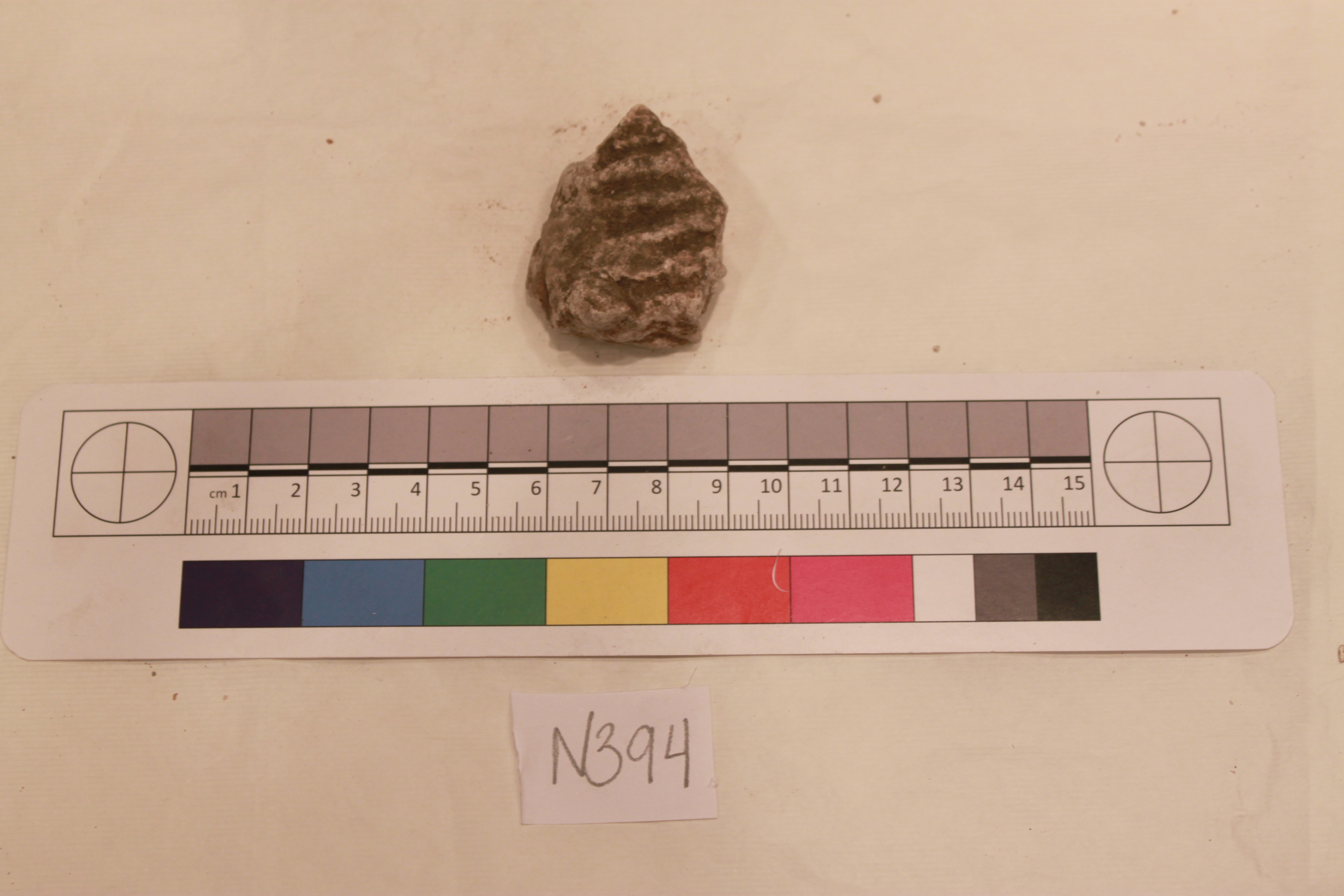
In the rarefied arena of avant-garde couture, the material is never merely a substrate; it is a provocation, a coded language awaiting decryption. At Zoey Fashion Laboratory, our SS26 investigation begins not with silk or steel, but with a Stucco Fragment—a carved relic from the Global Frontier, a territory defined by cultural hybridity and tectonic shifts in aesthetic consciousness. This fragment, ostensibly a remnant of architectural decay, becomes the master key to a new structural vernacular. It is not a nostalgic nod to antiquity, but a radical re-reading of surface, mass, and void, translated into garments that defy the anthropometric norms of the past decade.
The analysis of this stucco—its irregular striations, its calcified edges, its deliberate yet chaotic carving—yields a design philosophy predicated on negative space as a load-bearing element. Traditional couture builds form through additive layering. Our SS26 proposition inverts this logic. We excavate the garment. The silhouette is not draped; it is quarried. The body becomes the chisel, and the fabric, a nascent block of conceptual stone. This is not deconstruction in the postmodern sense of ripping seams; it is a geological deconstruction, where the final form is revealed by what has been deliberately removed.
Silhouette as Tectonic Displacement
The primary structural innovation for SS26 is the "Fault Line Silhouette." Inspired by the fragment’s carved fissures, we engineer garments that appear to have shifted along internal axes. A tailored jacket, for instance, is not cut in a single plane. Instead, its front panel is displaced by a precise 14-degree angular rotation, secured by an internal, invisible armature of memory wire and rigid organza. This creates a permanent, sculptural gap—a "tectonic rift"—between the collar bone and the chest. The garment does not hug the body; it orbits it, suggesting a form that has been split and reassembled with a deliberate, architectural gap. This is a futuristic silhouette that prioritizes volumetric tension over conventional fit.
Further exploring the fragment’s carved depressions, we introduce the "Excavated Torso." Here, the bodice is constructed from a double-faced, mineral-infused wool that is then subjected to a proprietary laser-ablation process. The laser does not cut through; it erodes. This technique allows us to create varying depths of texture, mimicking the pitting and erosion of the stucco. The result is a garment that is simultaneously solid and ephemeral, with areas of sheer, gauze-like transparency that have been "carved" into the opaque surface. The silhouette is not a line, but a topographical map of the body’s potential energy.
Material Alchemy: From Mineral to Membrane
Our material research for this standalone study rejects the pliability of conventional textiles. We are pioneering a composite we term "Petra-Tulle." This is a structural mesh coated in a micro-crystalline cellulose compound derived from the same mineral bases found in architectural stucco. The result is a fabric that is initially fluid, but upon exposure to a controlled heat setting, it crystallizes into rigid, yet flexible, panels. These panels retain the exact texture of the carved fragment—every ridge and undulation is replicated at a molecular level. This is not a print; it is a memory.
The color palette is equally austere and forward-looking. We eschew the romantic whites of classical plaster. Instead, our palette is drawn from the Global Frontier’s harsh light: the blanched bone of desert limestone, the grey-umber of urban dust, and the oxidized copper green of forgotten infrastructure. These are not colors but atmospheres. They are applied in uneven, non-repeating washes, creating a sense of geological time passing across the garment’s surface. The finish is matte, almost chalky, absorbing light rather than reflecting it, reinforcing the fragment’s non-reflective, introspective quality.
Structural Innovation: The Articulated Carapace
The most radical departure in this SS26 study is the "Articulated Carapace" for the lower body. Moving beyond the simple skirt or trouser, we propose a series of interlocking, hinged panels that mimic the way a carved stucco relief catches and holds shadow. Each panel is a rigid, sculpted form, but they are connected via a system of concealed, micro-adjustable titanium hinges. This allows for unprecedented movement while maintaining a strictly architectural, non-biological silhouette. The wearer does not walk so much as displace the space around them. The carapace can be configured in multiple ways—closed into a columnar sheath, or fanned out into a dramatic, asymmetric flare that echoes the fragment’s broken edge. This is wearable engineering, where the garment’s function is not comfort, but the generation of awe and a re-calibration of the viewer’s spatial perception.
This system is complemented by the "Suspension Collar." A high, rigid neckpiece that does not rest on the shoulders but is suspended from a hidden internal yoke, creating a constant, visible gap of 2.5 centimeters between the collar and the clavicle. This "floating" effect is a direct homage to the way a carved fragment can appear to hover against a wall, detached from its original context. The collar is carved, via CNC milling, from a bio-resin that perfectly mimics the density of the original stucco. It is a piece of architecture that frames the face as a relic is framed in a museum vitrine—distant, precious, and untouchable.
Conclusion: A New Grammar of Form
The Stucco Fragment is not a source of inspiration; it is a structural partner. Through this analysis, we have moved from the historical to the speculative, from the decorative to the tectonic. The SS26 collection is not about clothing the body, but about housing it within a new set of architectural principles. The future of couture, as evidenced by this study, lies not in the pursuit of the new fabric, but in the radical re-imagining of the garment’s relationship to mass, gravity, and time. By excavating the potential of a humble fragment, we have unearthed a blueprint for a future where fashion is not worn, but inhabited. The result is a silhouette that is at once ancient and alien, a testament to the enduring power of structural innovation in the face of the ephemeral. This is not clothing. This is a monument to the next century.