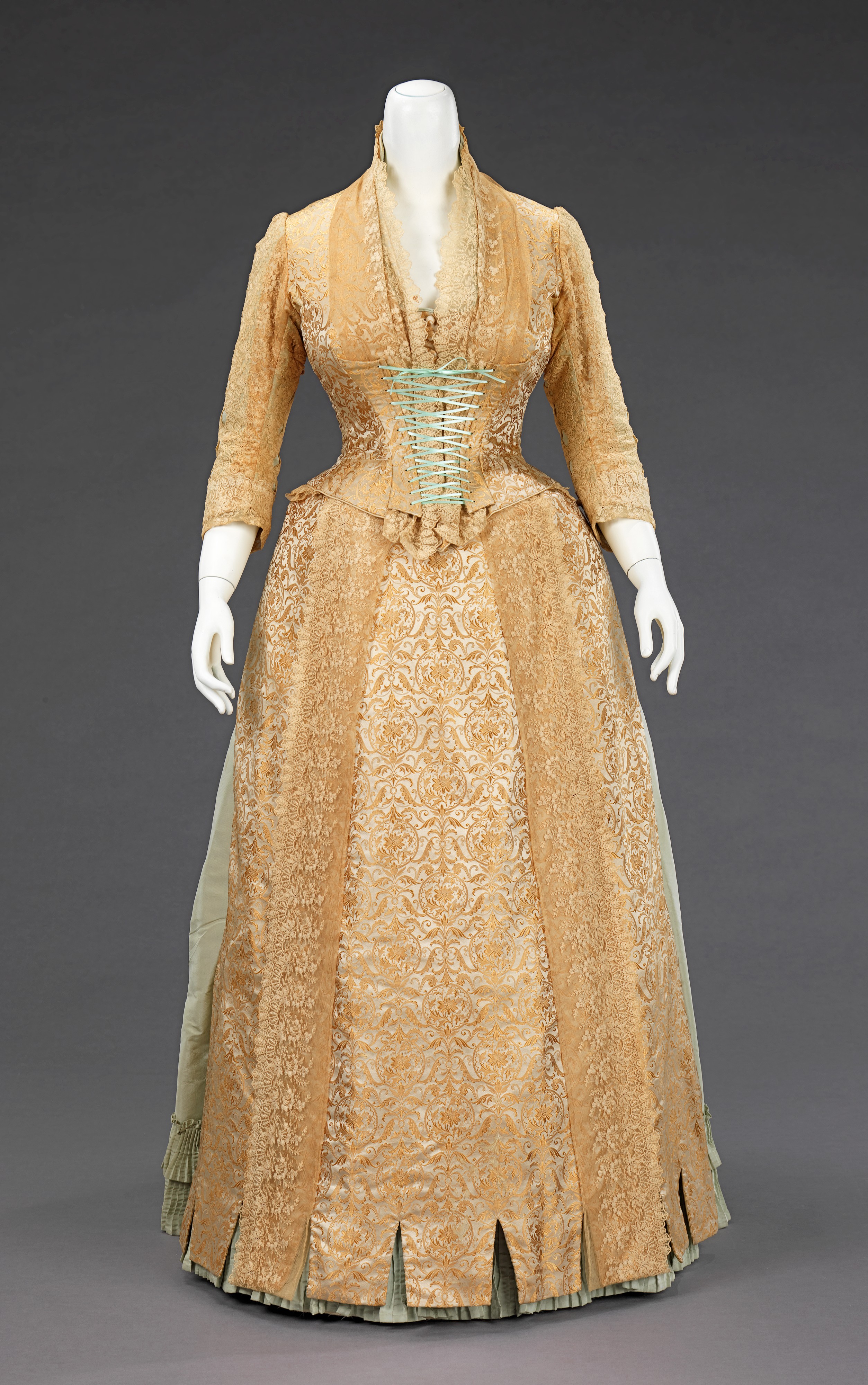
The Gastronomy of Form: Deconstructing the French Silk Dinner Ensemble for SS26
The dinner ensemble, in its classical French conception, is a monument to bourgeois ritual—a choreographed interplay of restraint, appetite, and social performance. For Zoey Fashion Laboratory’s SS26 avant-garde study, we do not preserve this monument; we excavate it. We treat the garment as an archaeological artifact of a bygone sensory era, then subject it to a radical morphological transplant. The result is not a dress, but a habitable sculpture—a dialogue between the digestive temporality of a meal and the permanent, structural now of futuristic couture. The material, pure French silk, is no longer a passive surface of luxury; it becomes an active agent in a thermodynamic and kinetic experiment.
Silk as a Liquid Architecture
Traditional couture venerates silk for its drape and luminosity. Our laboratory rejects this static reverence. In SS26, silk is treated as a liquid crystalline membrane, capable of holding a memory of form while remaining in perpetual flux. Through a proprietary process of heat-set micro-pleating and selective resin infusion, the silk is no longer merely folded; it is programmed. The garment’s surface is divided into discrete zones of variable rigidity. The bodice, for instance, is subjected to a diagonal lattice of thermal compression, creating a corrugated, almost metallic sheen that catches light like a faceted jewel. This is not ornamentation; it is structural engineering. The silk’s natural fluidity is arrested at precise coordinates, producing a silhouette that appears to be simultaneously melting and freezing—a state we term entropic elegance.
The dinner ensemble’s historical function—to conceal the body’s appetites—is inverted. Here, the silk becomes a topographic map of consumption. The skirt, a voluminous, asymmetrical column, is constructed from panels of raw, unbleached silk that have been deliberately shrunk and puckered using a salt-water technique. The result mimics the organic contraction of a stomach lining, creating a surface of irregular, biomorphic folds. This is not an accident; it is a deliberate provocation. The garment performs digestion visually, its surface undulating as the wearer moves, suggesting an internal metabolic process made external. The hem is left raw, fraying into a fringe of individual silk filaments that brush the floor like sensory cilia, capturing micro-debris from the environment—a literal incorporation of the dining room’s atmosphere.
Futuristic Silhouette: The Inverted Hourglass and the Floating Spine
For SS26, we discard the hourglass and the A-line. The new silhouette is the Inverted Suspension. The garment’s weight is redistributed upward and outward, creating a profile that defies gravity and expectation. The shoulders are exaggerated not with padding, but with cantilevered arcs of silk-wrapped carbon fiber, invisible beneath the fabric. These arcs project forward and upward, forming a canopy that frames the face and neck—a futuristic nod to the Elizabethan ruff, but rendered with aerospace precision. The waist is not cinched; it is suspended. A hidden internal corset of memory-wire, sheathed in silk, creates a floating diaphragm that hovers two centimeters above the wearer’s natural waistline. This gap—a negative space of shadow—is the collection’s signature. It visually severs the torso, creating a sartorial caesura, a pause between ingestion and elimination, between desire and satisfaction.
The back of the ensemble is where the structural innovation reaches its apex. A series of articulated, silk-covered vertebrae—each one a 3D-printed bio-resin node—run from the nape of the neck to the coccyx. This exoskeletal spine is functional: it supports the cantilevered shoulders and allows the wearer to modulate the garment’s volume by flexing their own back. The silk is stretched taut over this structure, creating a sleek, aerodynamic shell that contrasts violently with the puckered, organic front. The duality is intentional—a dialogue between the machine and the organism, between the future’s cold precision and the past’s warm, messy corporeality.
Structural Innovation: The Pneumatic Culinary Bladder
Our most transgressive innovation is the Pneumatic Culinary Bladder, a hidden chamber integrated into the skirt’s interior. Constructed from a double layer of silk with a silicone membrane sandwiched between, this bladder can be inflated or deflated via a discreet hand pump located in the side seam. When inflated, the skirt expands into a voluminous, almost spherical form, evoking the distended belly of a post-feast diner. When deflated, it collapses into a sleek, almost columnar sheath. The wearer thus controls the garment’s silhouette in real-time, transforming the dinner ensemble from a static object into a performative instrument of satiety. This is not a gimmick; it is a philosophical statement on the agency of the body. The wearer decides when to appear hungry, when to appear full, when to conceal and when to reveal the internal state of consumption.
Furthermore, the silk itself is treated with a photocatalytic finish that responds to ambient light and heat. In the dim, candlelit atmosphere of a fine dining room, the garment’s surface shifts from a matte ivory to a subtle, ghostly phosphorescence, absorbing UV energy and re-emitting it as a soft, ethereal glow. This is not mere embellishment; it is a chronometric function. The glow intensifies as the meal progresses, marking the passage of time through the material’s own fatigue. The silk becomes a biological clock, a material witness to the ritual of eating.
Conclusion: The Ensemble as a Manifesto
This French silk dinner ensemble is not a garment for the timid. It is a manifesto against the passive consumption of fashion. It demands that the wearer engage with their own body’s processes—hunger, digestion, satiety—as valid and potent sources of aesthetic expression. The futuristic silhouette is not about streamlining the human form into a machine; it is about amplifying the messy, metabolic reality of being alive through the precision of structural engineering. The silk is not a luxury to be admired; it is a medium to be interrogated. For SS26, Zoey Fashion Laboratory presents not a dress, but a portable architecture of appetite—a garment that does not merely clothe the body, but that enters into a dynamic, adversarial, and ultimately symbiotic dialogue with it. The dinner is served, and the ensemble is the first course.