Deconstructing the Imperial Code: The Solidus of Justinian I as Avant-Garde Blueprint
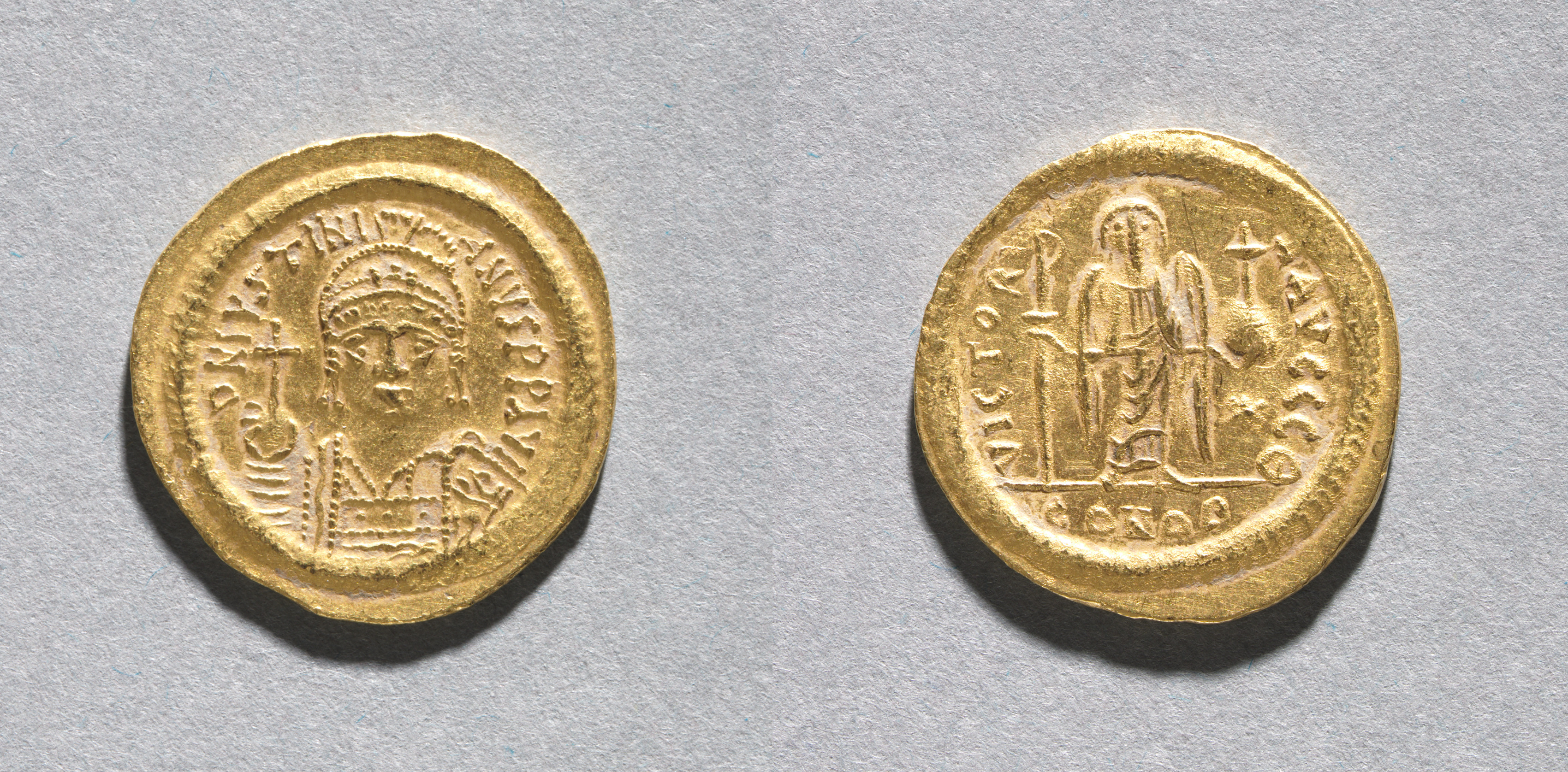
At Zoey Fashion Lab, we do not merely observe historical artifacts; we interrogate them. We strip them of their museum vitrines and academic reverence to expose the raw, systemic data embedded within their materiality. Today, our subject is the Solidus of Justinian I, a Byzantine gold coin struck in Constantinople. To the casual eye, it is a piece of currency—a static emblem of imperial power. To our laboratory, it is a proto-architectural algorithm, a compressed data set of authority, transcendence, and material obsession that directly informs our avant-garde design language. The coin is not a relic; it is a wearable manifesto waiting to be re-issued.
Material Ontology: Gold as a Structural, Not Decorative, Principle
The solidus is renowned for its exceptional purity—approximately 4.5 grams of nearly 24-karat gold, a standard that remained astonishingly stable for over seven centuries. In conventional fashion analysis, gold is read as ornamentation, as a signifier of wealth. We reject this passive interpretation. In the context of the solidus, gold functions as structural integrity. It is the physical embodiment of the Byzantine state’s unshakeable fiscal and theological dogma. For our avant-garde practice, this translates into a radical material philosophy: preciousness is not a surface application but a load-bearing element.
Consider our upcoming "Justinianic Field" collection. We are not printing gold onto silk. Instead, we are developing a textile where filamented gold alloy is woven directly into the warp and weft, creating a fabric that drapes with the weight of armor, not the flutter of chiffon. The garment’s silhouette is determined by the metal’s tensile strength, not by the designer’s sketch. The result is a dress that holds its own shape—a sculptural shell that moves with a rigid, deliberate cadence, echoing the coin’s immutable roundness. This is gold as bone structure, not as skin.
Iconographic Compression: The Front and the Obverse as Duality
The solidus presents a fascinating binary. On one side, the frontal bust of Justinian, rendered in high relief, often bearing a diadem, a spear, or a globus cruciger. On the reverse, a Victory or Angel, or the emperor’s monogram. This is not mere propaganda; it is a system of dual coding. The obverse speaks to terrestrial authority—the emperor as mortal commander. The reverse speaks to celestial mandate—the divine provenance of that authority. The coin is a portable interface between the earthly and the ethereal.
Our avant-garde interpretation deconstructs this duality into a binary garment system. We propose a two-layer ensemble: an outer, rigid exoskeleton constructed from molded, laser-welded metal mesh that replicates the frontal, confrontational gaze of the emperor—sharp shoulders, a high, armored collar, and a severe, geometric chest plate. Beneath this, a second layer: a flowing, almost liquid inner garment of iridescent, holographic micro-fiber that shifts color like the patina on ancient gold, representing the Angel’s ethereal, ever-changing presence. The wearer does not choose between these identities; they wear the dialectical tension itself. The outer shell is the public declaration; the inner layer is the private, mutable truth.
Archive Resonance: The Mirror and the Sarcophagus
Our analysis is anchored by the Archive Resonance: “一面是光洁银镜上以黄金镶嵌的纷繁棕叶纹,另一面是冰冷石棺板上以浮雕诉说的生命叙事——《Mirror with Split-Leaf...》” (One side is a polished silver mirror inlaid with intricate gold palmette motifs; the other side is a cold sarcophagus slab narrating life through relief sculpture). This is the conceptual key. The solidus, like the mirror, is a polished surface for self-projection. Yet, its reverse side, like the sarcophagus, is a narrative of mortality and legacy.
In our design, we translate this into a reversible textile technology. The first face of the fabric is a high-shine, liquid-metal finish with embedded, laser-cut palmette patterns—a nod to the mirror’s reflective vanity. This is the surface for the public sphere, the "Instagram" of the Byzantine court. But when the garment is inverted—a deliberate, performative act—the reverse reveals a matte, textured, almost geological surface, embossed with a distorted, abstracted relief of the human form, a suggestion of the body’s final architecture. This is the sarcophagus face. The avant-garde gesture is not in the pattern, but in the act of inversion. The wearer controls which narrative is visible, shifting between the polished present and the profound, unsettling past.
Proportional Distortion and the Avant-Garde Silhouette
The solidus is a study in miniaturized monumentality. Its power lies in its ability to convey colossal authority within a 20-millimeter diameter. This compression is our primary design tool. We propose a series of garments that deliberately distort scale to mimic this effect. Imagine a cocoon coat where the entire imperial iconography—the diadem, the spear, the globus—is rendered as a single, oversized, embroidered crest across the back, not as a small logo but as a full-back architectural map, extending from the nape of the neck to the hem. The garment becomes a walking coin, a mobile monument. Conversely, we will produce micro-patterned accessories—gloves, boots, and headpieces—where the full, complex iconographic program is repeated at a microscopic gauge, visible only upon intimate inspection. This is the avant-garde play of macro and micro power.
The Tactile Politics of Wearability
Finally, we must address the haptic experience. Gold is cold, heavy, and unyielding. The avant-garde body does not seek comfort; it seeks provocation through material discomfort. Our "Solidus" collection will feature garments with strategic, internal weighting—small, concealed gold-alloy pellets sewn into hems and cuffs, forcing the wearer to move with a slow, deliberate, imperial gait. The clothing will not allow for hurried, casual movement. It will compel a posture of command. The weight is not a flaw; it is a kinetic reminder of historical gravity. To wear this collection is to feel the physical pressure of a thousand-year-old empire on your shoulders, a sensation that is both oppressive and exhilaratingly empowering.
In conclusion, the Solidus of Justinian I is not a coin to be collected. It is a philosophical engine to be disassembled and re-tuned. At Zoey Fashion Lab, we have extracted its core principles—material integrity, dual coding, scale compression, and tactile authority—and re-synthesized them into a radical, avant-garde wardrobe. This is not historical costume. This is historical computation, worn on the body. The empire is dead. Long live the garment.