Deconstructing the Carapace: The Gothic Breastplate as Proto-Avant-Garde DNA
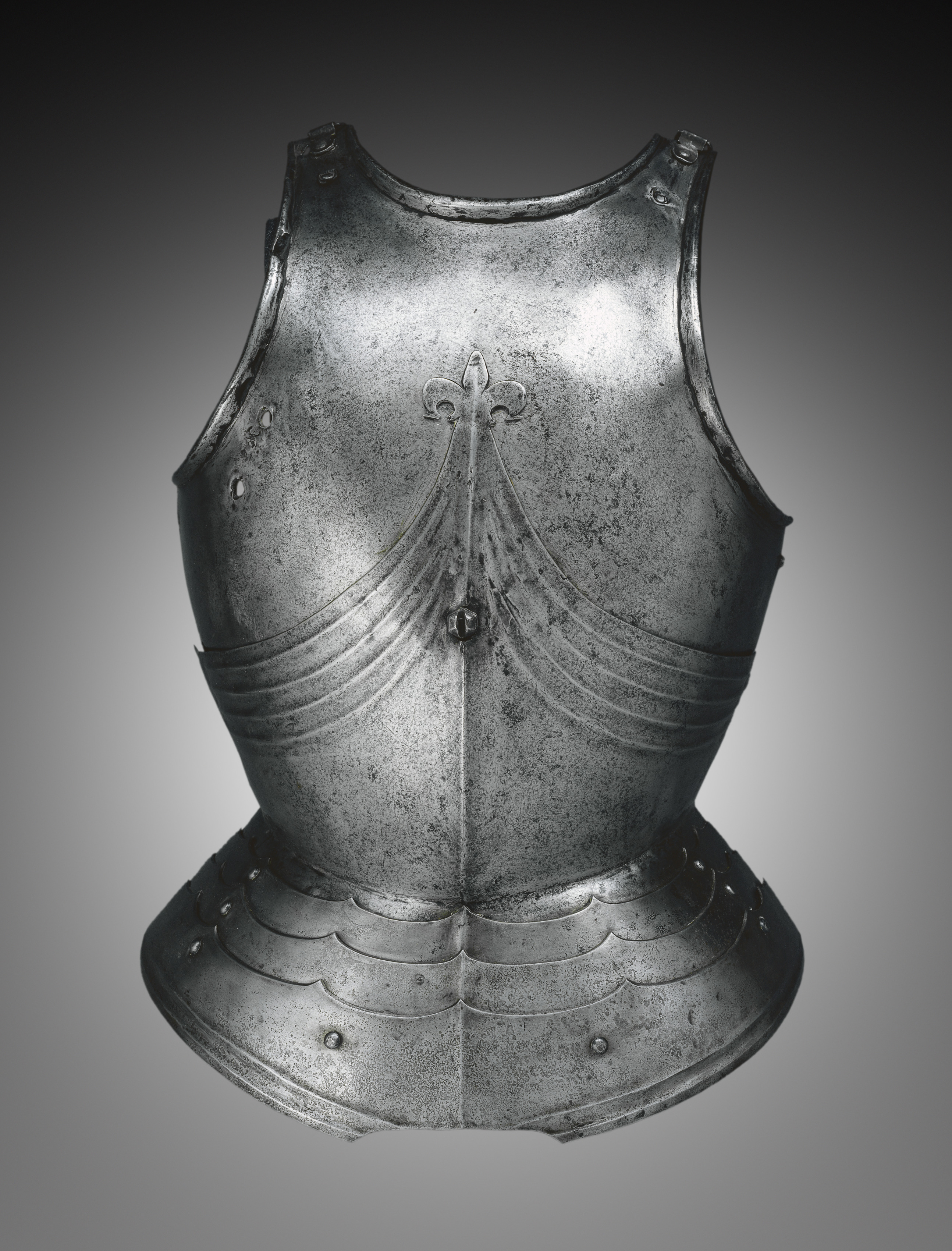
At Zoey Fashion Lab, we do not merely study garments; we dissect the ideological scaffolding that shapes silhouette, materiality, and the human form. The subject of this analysis—a Gothic breastplate from South Germany or Austria, specifically the Innsbruck region, dating to the late 15th century—presents a paradox. On the surface, it is a relic of martial function, a hardened steel shell designed for war. Yet, when viewed through the lens of our New DNA Strand methodology, this object reveals itself as a foundational blueprint for contemporary avant-garde fashion. It is not armor; it is an early manifesto on the body as architecture, on fear as an aesthetic driver, and on the deliberate distortion of human anatomy for symbolic power.
I. Metallurgical Poetry: The Materiality of the Innsbruck Steel
The technical execution of this breastplate is the first point of departure from mere utility. Innsbruck, during the late 15th century, was not just a production center; it was a crucible of metallurgical innovation. The steel used here is not a flat, inert sheet. Through a process of hot forging, the metal was shaped into complex, compound curves that mimic—and exaggerate—the pectoral and abdominal musculature. This is not a literal copy of the human chest; it is an abstracted idealization. The ridges, known as fluting, are not decorative afterthoughts. They are structural ribs that increase tensile strength while simultaneously creating a dramatic interplay of light and shadow.
For the avant-garde designer, this materiality is a lesson in tension and release. The steel’s surface is both hard and fluid; it appears to have been poured over the body, then frozen in a state of aggressive stillness. This dichotomy—the fluidity of form versus the rigidity of material—is precisely the tension that defines deconstructive fashion. When we translate this to fabric, we think of bonded neoprene, resin-coated organza, or even 3D-printed polymer composites that mimic the visual weight of steel without the physical burden. The breastplate teaches us that material should not obey the body; it should challenge it, creating a new, secondary silhouette that exists in dialogue with the wearer’s flesh.
II. The Silhouette of Aggression: Reinterpreting the Carapace
The most radical aspect of this breastplate is its deliberate distortion of the natural torso. The waist is cinched to an almost impossible narrowness, while the chest is thrust forward and upward. This creates a wasp-waisted, hyper-masculine ideal that is less about biological reality and more about psychological intimidation. This is the birth of the power suit. The armor does not protect a passive body; it creates an aggressive, forward-leaning posture. The centerline ridge, which runs vertically down the sternum, acts as a blade, splitting the visual field of the viewer.
In our New DNA Strand analysis, we identify this as a precursor to the avant-garde obsession with the exoskeleton. Designers like Thierry Mugler or Iris van Herpen have repeatedly returned to this concept—the idea that clothing is not a soft second skin, but a hard, protective shell that alters the wearer’s gait and presence. The Gothic breastplate is the archetype. Its sharp, angular planes and pronounced contours are a direct ancestor to the sculptural shoulders of a Balenciaga blazer or the rigid corsetry of a Vivienne Westwood creation. The goal is not comfort; the goal is presence. The wearer becomes a monument, an object of awe and fear, rather than a subject of casual interaction.
III. The Grotesque and the Sublime: Aestheticizing Fear
Why did the Gothic armorer choose to exaggerate anatomy so aggressively? The answer lies in the psychology of the medieval battlefield. The goal was to appear superhuman, almost demonic. The sharp points and angular fluting were designed to catch light and create a shimmering, unreadable surface, making the wearer appear larger and more dangerous. This is the aestheticization of fear—a concept that is central to the avant-garde ethos. We are not interested in the pretty or the comfortable; we are interested in the sublime, that which is both terrifying and beautiful.
This breastplate embodies the grotesque sublime. The exaggerated musculature is not realistic; it is a caricature of strength. It is a visual scream. For Zoey Fashion Lab, this translates into a design philosophy that embraces the unheimlich—the uncanny. We look at this steel chest and see a direct lineage to the work of Rei Kawakubo, whose garments often appear to be growing on the body, or Rick Owens, whose monumental silhouettes evoke a similar sense of primitive, ritualistic power. The breastplate is a lesson in using silhouette to convey a narrative of conflict. It tells a story not of peace, but of imminent confrontation. In our collections, we translate this through asymmetrical cuts, sharpened shoulder pads, and the use of reflective or metallic finishes that disrupt the passive gaze of the viewer.
IV. The New DNA Strand: From Battlefield to Runway
How do we extract the genetic code of this 15th-century artifact and splice it into a contemporary avant-garde collection? Our methodology isolates three core genetic markers:
Marker 1: The Articulated Joint. The original breastplate was often paired with faulds (laminated skirts) to allow movement. This principle of segmentation is crucial. We apply this to modern design by creating garments with articulated panels—laser-cut leather that flexes like scales, or woven metal mesh that moves with a liquid, metallic ripple. This preserves the visual integrity of the armor while granting the wearer kinetic freedom.
Marker 2: The Focal Point of the Sternum. The vertical ridge on the breastplate is a powerful directional line. In our designs, we emphasize this via central seaming, dramatic zippers, or a protruding chest panel made of molded PVC or cast silicone. This creates a visual anchor, forcing the eye to travel down the center of the body, creating an imposing, statuesque frame.
Marker 3: The Paradox of Weightlessness. The original armor was heavy, restricting movement. The avant-garde translation inverts this. We use materials that look heavy but are weightless—such as carbon fiber, airy yet rigid foams, or metallic organza that holds a sharp crease. This creates a disorienting effect: the garment appears to be made of steel but moves like silk. This paradox is the essence of high fashion—the ability to deceive the eye while liberating the body.
V. Conclusion: The Eternal Return of the Shell
The Gothic breastplate is not a dead artifact. It is a living, breathing template for the avant-garde imagination. It reminds us that fashion is not merely about covering the body; it is about redefining its boundaries. The Innsbruck armorer, working in fire and steel, was an early deconstructionist, stripping away the superfluous to reveal a core of pure, aggressive form. At Zoey Fashion Lab, we honor this legacy by continuing to treat the human body as a raw material, a canvas upon which we project our deepest anxieties and highest aspirations. This breastplate is a testament to the fact that true style is not born from comfort, but from the audacious act of building a new, more formidable self. The shell is not a prison; it is a liberation. And in that liberation, we find the eternal, avant-garde strand of our DNA.