The Scent Bottle as Structural Genesis: Deconstructing Olfactory Architecture for SS26
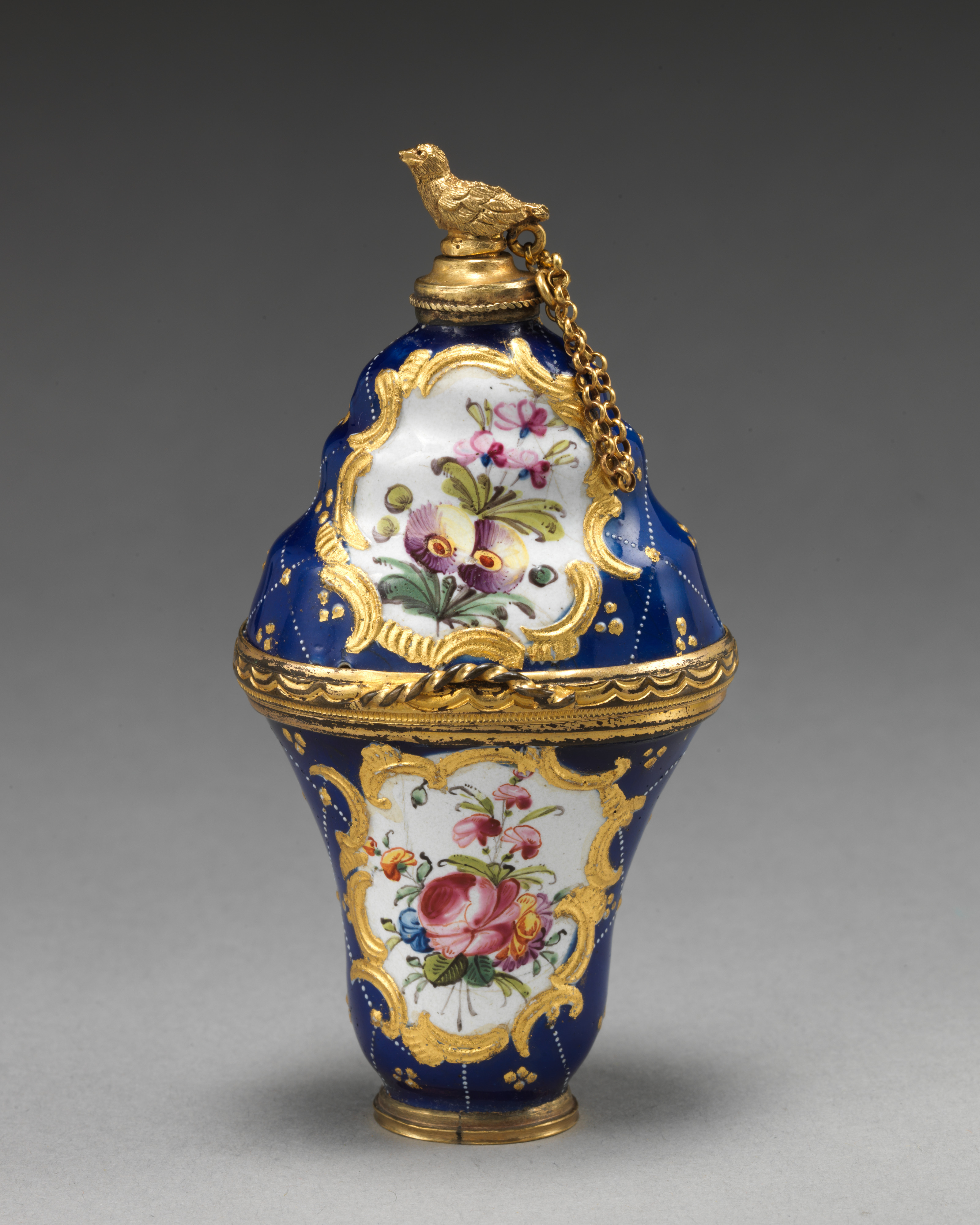
In the rarefied echelons of avant-garde couture, inspiration is rarely drawn from the obvious. It is excavated from the interstitial spaces where function, memory, and materiality collide. For the Spring/Summer 2026 collection at Zoey Fashion Laboratory, the creative catalyst is not a textile, a painting, or even a silhouette from the archives. It is an object of intimate utility and profound sensory resonance: a scent bottle. But not merely any vessel—this is a specimen of Global Frontier origin, rendered in enameled copper. This standalone study dissects how this humble yet complex object becomes a blueprint for radical garment architecture, pushing the boundaries of futuristic silhouettes and redefining the relationship between the body, the garment, and the ephemeral aura of scent.
Deconstructing the Vessel: From Containment to Liberation
The traditional scent bottle is a study in containment—a hermetic seal designed to preserve a volatile essence. In our SS26 analysis, we invert this logic. The garment is no longer a container for the body but a diffuser of identity. The enameled copper substrate, with its inherent tension between industrial rigidity and artisanal gloss, provides the foundational paradox. Copper, a conductor of thermal and electrical energy, is reimagined as a conduit for human aura. The enamel, typically a glossy, impermeable skin, is deconstructed into fractured, pixelated panels that mimic the dispersion of fragrance molecules in the air.
The silhouette thus emerges not from draping fabric but from negative space. We propose a series of 'phantom bottles'—garments that trace the outline of a vessel while leaving the interior deliberately hollow and exposed. Imagine a sculptural bustier constructed from laser-welded copper segments, each panel coated in a matte, oxidized enamel, separated by micro-gaps of sheer, bio-degradable film. The structure is rigid, yet the optical effect is one of dissolution. The wearer becomes the living essence inside the bottle, their movements causing the panels to shimmer and shift, mimicking the sloshing of liquid against the walls of its container.
Futuristic Silhouettes: The Architecture of Evaporation
The SS26 silhouette abandons the conventional anthropomorphic lines of shoulders, waist, and hip. Instead, we introduce the 'Evaporation Train'—a sweeping, asymmetric train that begins as a solid, enameled hip plate and progressively fragments into hundreds of floating, copper-alloy sequins, each one suspended on a microfilament. This is not mere decoration; it is a structural narrative of transition from liquid to gas. The train does not drag; it hovers, creating a kinetic cloud that follows the wearer, an olfactory mirage made tangible.
Furthering this architectural language, we present the 'Corked Shoulder'—a radical reinterpretation of the epaulette. Here, the shoulder is capped with a cylindrical, enameled copper form, reminiscent of a bottle's neck and stopper. This is not a functional sleeve head but a cantilevered counterweight, balancing the volume of a voluminous, deconstructed skirt. The visual tension is palpable: the solid, sealed top against the fluid, cascading bottom. The garment's center of gravity is deliberately displaced, forcing a new posture, a new gait—a walk that is both cautious and commanding, as if the wearer is navigating a narrow shelf of precious objects.
Material Alchemy: Enameled Copper as a Living Membrane
The choice of enameled copper is not arbitrary; it is a deliberate act of material alchemy. Copper's natural patina—its tendency to oxidize and change color with exposure to air and moisture—becomes a real-time dye process. The garments are designed to age, to evolve, to 'breathe' with the wearer. The enamel, however, provides a protective, glossy counterpoint, creating a dichotomous surface: simultaneously hard and soft, reflective and absorptive. In our construction, we utilize a technique of 'selective enameling', where the copper is left exposed in strategic zones—under the arms, along the spine, at the nape of the neck. These are the body's heat zones, where the copper will warm and darken over time, creating a personalized map of the wearer's physiology.
This is not sustainable fashion in the traditional sense; it is sentient fashion. The garment is not a static object but a living archive of its own history. The scent bottle, originally designed to preserve, is here transformed into a medium for transformation. The copper's conductivity is harnessed to amplify the body's natural warmth, which in turn accelerates the release of any embedded micro-capsules of fragrance woven into the seams. The garment does not merely look like a scent bottle; it functions as one, releasing an invisible aura that is unique to each wearer and each moment.
Structural Innovation: The Lattice of Olfactory Memory
On a purely technical level, the structural innovation for SS26 lies in our proprietary 'Aura Lattice' system. This is a modular framework of interlocking copper nodes, each one shaped like a miniature bottle cap, connected by articulated, industrial-grade hinges. This lattice can be configured into a corset, a cage skirt, or a full-body exoskeleton. The enameled finish is applied post-assembly, ensuring a seamless, monolithic appearance. However, the true innovation is in the lattice's ability to collapse and expand. A single garment can be a compact, rigid shell for a cocktail hour, then unfolded and extended into a majestic, architectural train for an evening gala. This is transformative couture, designed for a global frontier where the wearer's schedule is as fluid and volatile as the scent they carry.
We also explore the concept of the 'Inverted Stopper'—a headpiece that descends from the crown, not to cover the face but to frame it. Constructed from concentric rings of polished copper and enamel, it creates a halo of reflection, drawing attention to the face as the 'essence' of the ensemble. The headpiece is not worn; it is displayed, a precious object hovering above the wearer, much like the ornate stoppers of antique perfume bottles that were designed to be admired even when the bottle was empty.
Conclusion: The Scent of Tomorrow
For SS26, Zoey Fashion Laboratory postulates that the future of couture lies not in new fabrics but in new relationships—between the wearer and the material, between the object and its aura, between containment and release. The enameled copper scent bottle from the Global Frontier is our Rosetta Stone, decoding a language of structural poetry. It challenges the notion that garments must be soft to be wearable, or that they must follow the body to flatter it. Instead, we propose garments that create their own space, their own gravity, and their own ephemeral signature. This is not fashion as clothing; it is fashion as instrumentation—a device for amplifying the wearer's presence into the world. The scent bottle is empty, but the body is full. The garment is rigid, but the silhouette is fluid. The future, it seems, is not worn. It is diffused.