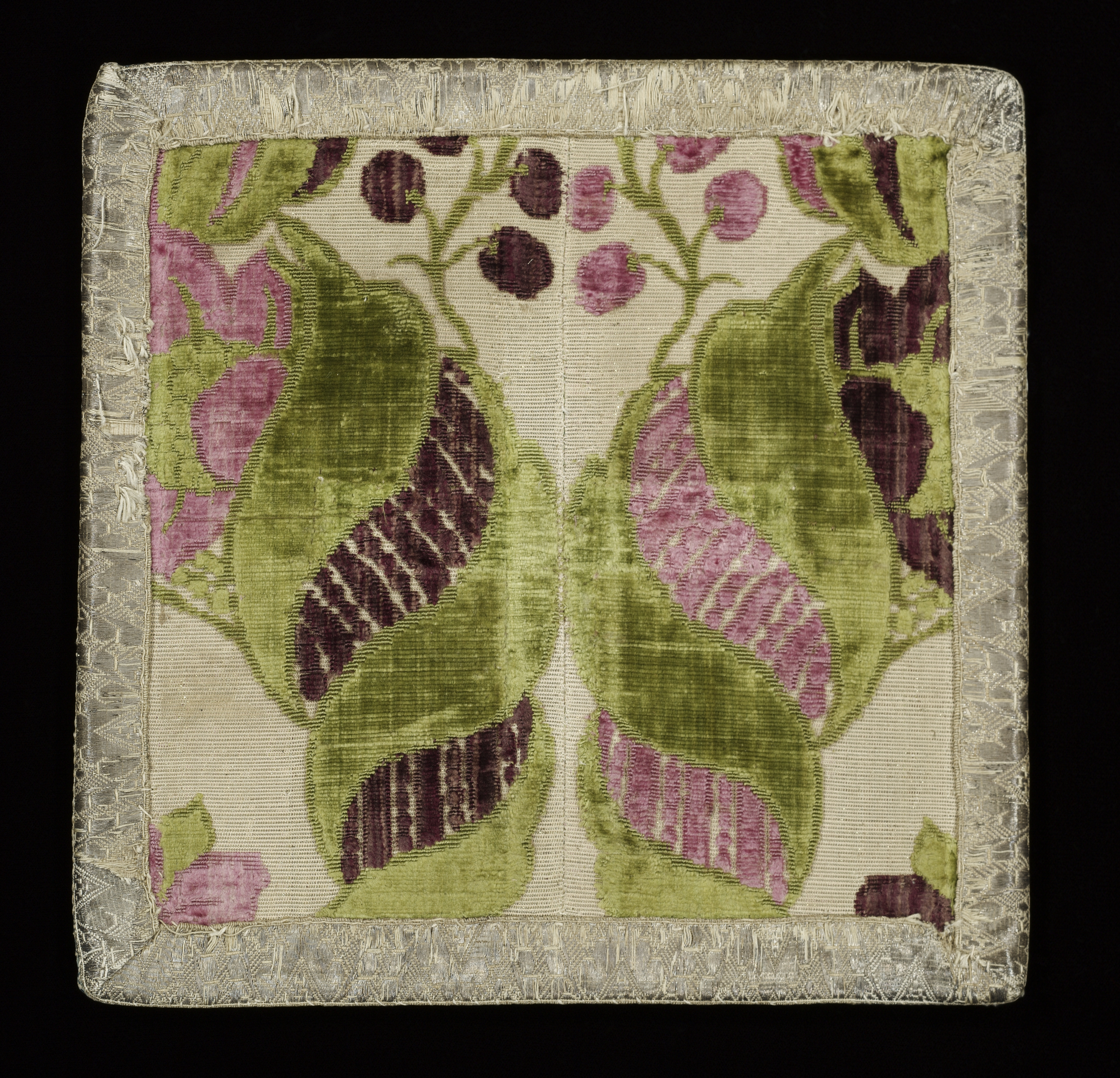
Deconstructing the Burse: A Study in Material Paradox for Zoey Fashion Lab
The burse, or corporal case, is a liturgical object of profound historical specificity. Originating in the ecclesiastical vestments of the Catholic Church, it was designed to hold the corporal—the linen cloth upon which the Eucharist is consecrated. Traditionally, the burse is a rigid, square pouch, often made of heavy brocade or velvet, and adorned with metallic embroidery. Its function is purely protective and ceremonial, yet its materiality speaks to a theology of opulence and reverence. For Zoey Fashion Lab, the burse is not a relic to be preserved but a genetic sequence to be re-spliced. By extracting its structural DNA—the rigid square, the plush velvet, the metallic thread—and recombining it with an avant-garde sensibility, we can produce a garment that is less about religious utility and more about the tension between containment and release.
This analysis will dissect the burse’s technical components—specifically its Genoese silk velvet and metal thread lace—and reposition them within a contemporary, avant-garde fashion narrative. The result is not a costume, but a conceptual armor for the modern body, a wearable artifact that interrogates the boundaries between the sacred, the sensual, and the structural.
I. The Genoese Silk Velvet: Cut and Uncut as a Dialectic of Texture
The burse from Genoa offers a masterclass in velvet construction. Genoese velvet, particularly from the 16th and 17th centuries, was renowned for its density and its sophisticated use of both cut and uncut loops. The uncut velvet, or terciopelo sin cortar, presents a smooth, lustrous surface that catches light evenly. In contrast, the cut velvet—where the pile loops are sliced open—creates a deeper, more absorbent texture that appears almost black in shadow and vividly saturated in direct light.
For Zoey Fashion Lab, this is not merely a historical footnote; it is a blueprint for tactile storytelling. In our avant-garde reinterpretation, the uncut velvet serves as the garment’s baseline consciousness—a sleek, almost liquid skin that reflects the environment. The cut velvet, however, is deployed strategically, not as ornament but as topographical mapping. Imagine a bodice where the uncut silk forms a taut, glossy carapace across the torso, while panels of cut velvet are applied in asymmetrical, biomorphic swaths. These cut areas, with their plush, dimensional depth, create a visual and physical shadow topography. They invite touch, yet their density resists it—a paradox central to the avant-garde ethos. The pile direction becomes a design tool: we can engineer the velvet so that the nap runs counter to the body’s natural movement, creating a chameleonic shimmer that shifts as the wearer moves, making the garment appear to breathe independently of the human form.
Furthermore, the weight of Genoese silk velvet is a critical factor. Unlike modern, lightweight velvets, the historical burse fabric has a substantial, almost architectural drape. We will exploit this by constructing a garment that does not cling but rather stands away from the body, creating negative space. A deconstructed burse-inspired jacket, for example, might feature exaggerated, rigid shoulders that are entirely cut from uncut velvet, while the interior lining—visible through deliberate slashes—reveals the cut velvet’s raw, unhemmed edges. This juxtaposition of polished exterior and frayed interior mirrors the burse’s dual nature: pristine on the outside, holding a sacred secret within.
II. Metal Thread Lace: The Skeletal Structure of Light
The metal thread lace found on the original burse is not merely decorative; it is a functional exoskeleton. Historically, these threads were made from silver or silver-gilt wrapped around a silk core, giving the lace both rigidity and a luminous, almost liquid metallic quality. The lace patterns—often floral or geometric—were structurally integral to the burse’s stiffness, providing a frame that held the velvet in place.
In our avant-garde translation, we will treat the metal thread lace as a second skeleton, a parasitic structure that grows over and through the velvet. Instead of traditional floral motifs, we will develop a custom lace pattern based on cellular division and neural networks. This lace will not be applied flat; rather, it will be molded and shaped into three-dimensional, free-standing architectural elements. Consider a sleeve that is entirely constructed from this metal lace, with no velvet backing—a translucent, metallic cage that reveals the arm beneath. The rigidity of the metal thread allows for extreme sculptural silhouettes: sharp, angular peaks that jut out from the shoulder; spiral formations around the waist; a high, Elizabethan-style collar that is entirely lace, but rendered in a stark, futuristic grid.
The interaction between the metal lace and the velvet is crucial. The lace will be used to tension the velvet, pulling it into unnatural folds and pleats. This creates a dynamic tension between the soft, yielding silk and the unyielding metal. The result is a garment that looks as if it is in a state of perpetual becoming—the soft material is being actively constrained, shaped, and perhaps even threatened by the metallic structure. This is a direct metaphor for the contemporary condition: the body as a soft, vulnerable entity, constantly being molded by external, often rigid, societal or technological forces.
III. The New DNA Strand: Recombining the Liturgical into the Avant-Garde
The reference to a “New DNA Strand” is the conceptual core of this project. We are not merely replicating the burse’s form; we are extracting its genetic code—its square geometry, its material hierarchy, its hidden interiority—and splicing it with alien sequences. The result is a garment that is unrecognizable yet deeply familiar, a memory of a sacred object distorted through a futuristic lens.
This manifests in several ways. First, the square geometry of the burse will be abstracted. Instead of a literal pouch, we will use the square as a modular unit. Multiple squares of velvet and lace will be articulated with hidden hinges, allowing the garment to fold and unfold like a piece of origami. A skirt, for instance, might be composed of a series of rigid, velvet-covered squares that are connected by metal lace joints. When the wearer sits, the squares fan out; when standing, they close into a columnar, almost architectural form. This is a garment that transforms in space, echoing the burse’s original function as a container that opens and closes.
Second, the concept of the interior is subverted. The burse’s interior is hidden, private, and sacred. In our design, the interior becomes the primary visual surface. The garment will be designed to be worn inside-out, with the raw seams, the exposed cut velvet edges, and the structural underpinnings of the metal lace all visible. This is a deliberate act of deconstruction, exposing the “backstage” of the garment as the main event. It challenges the viewer’s expectation of what constitutes a finished, polished piece of high fashion, aligning perfectly with the avant-garde tradition of anti-fashion.
Finally, the color palette will be stark and unnatural. While the original burse may have featured deep ecclesiastical reds, purples, or golds, our version will be rendered in a monochromatic spectrum of optical white, graphite, and oxidized silver. The white velvet will be treated with a pearlescent finish, catching light like a pearl, while the metal lace will be intentionally tarnished to a gunmetal grey. This removes the immediate religious connotation and forces the viewer to focus purely on the tactile and structural dialogue between the materials.
IV. Conclusion: A Wearable Relic for the Future
The burse, stripped of its liturgical context, becomes a powerful architectural prototype. By combining the plush, sensual weight of Genoese silk velvet with the rigid, luminous structure of metal thread lace, Zoey Fashion Lab can create a garment that is both a sculptural object and a philosophical statement. It speaks to the permanence of structure against the fluidity of flesh, to the beauty of hidden interiors, and to the avant-garde’s enduring fascination with transforming the sacred into the subversive. This is not a costume; it is a new species of dress, engineered from the DNA of history but mutated for a future where fashion is a form of personal architecture. The burse is dead; long live the burse.