Deconstructing the Baroque Gaze: A Structural Blueprint for SS26
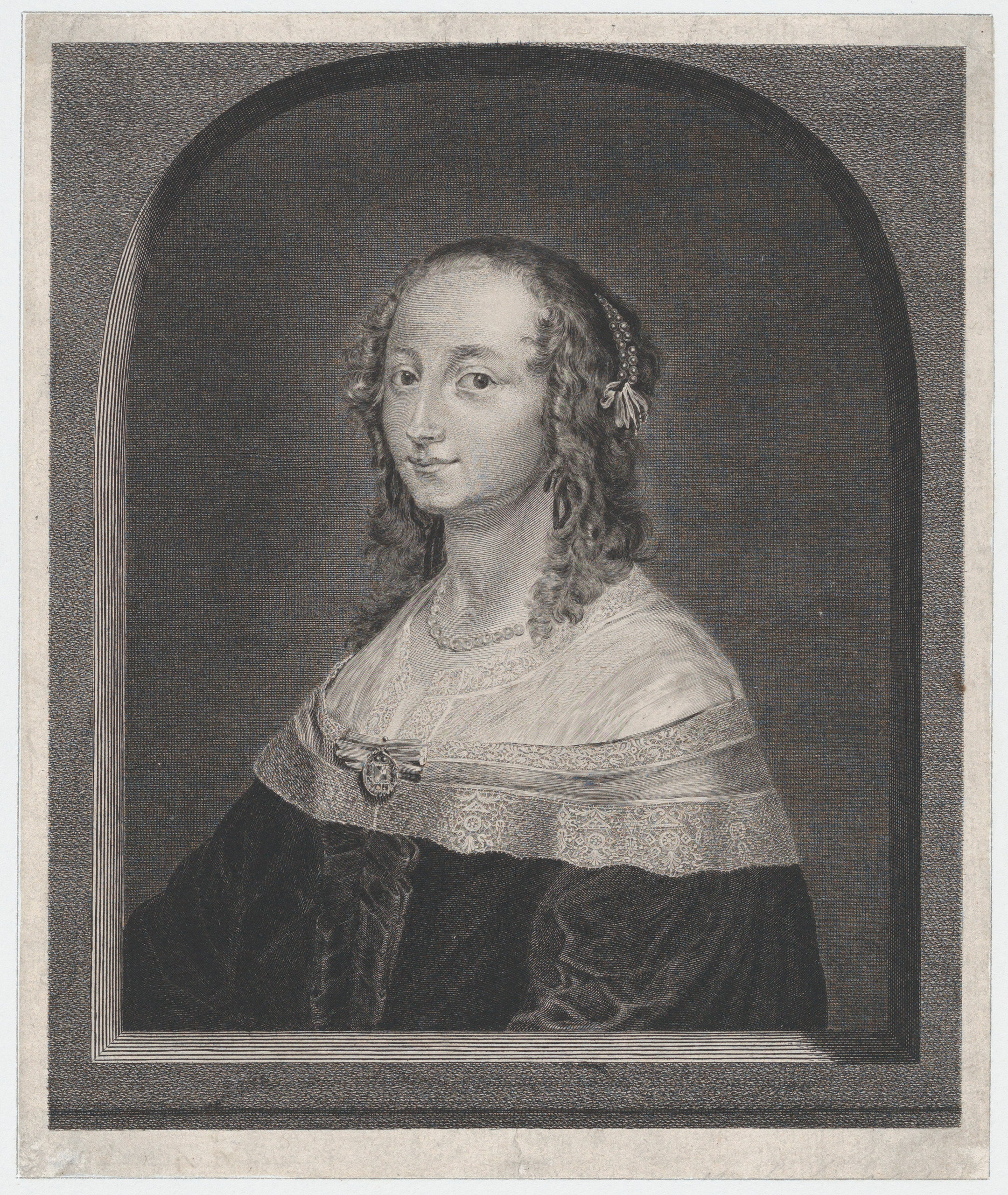
The engraved portrait—a relic of 17th-century bourgeois identity—presents an unexpected crucible for avant-garde innovation. At first glance, the subject’s lace collar and jeweled pendant evoke the rigid formalism of Rubens’ era, a study in controlled opulence. Yet for Zoey Fashion Laboratory, this image is not a historical artifact but a generative matrix. The engraving’s linear precision, its play of light through hatched strokes, and the sitter’s composed yet inward gaze offer a radical departure point for SS26. We are not recreating a period costume; we are excavating its architectural DNA and re-sequencing it into a futuristic silhouette that defies temporal logic. The lace collar, traditionally a symbol of modesty and wealth, becomes a scaffolding for deconstruction, while the necklace’s linear chain transforms into a conduit for structural tension. This analysis dissects how the engraving’s materiality—its etched lines, its monochrome depth—can be translated into a collection that interrogates the boundaries between garment, body, and time.
Lace as Load-Bearing Architecture
The lace collar in the engraving is not merely decorative; it is a geometric lattice, a network of negative and positive spaces that frames the face with almost mechanical precision. For SS26, we propose a radical reinterpretation: lace as a load-bearing exoskeleton. Imagine a collar constructed not from delicate threads but from laser-cut, semi-rigid bio-resin, layered in a honeycomb pattern that echoes the engraving’s cross-hatching. This collar would not rest on the shoulders; it would cantilever outward, creating a halo of shadow and light that isolates the wearer’s visage like a modern-day Madonna. The structural innovation lies in the articulation joints—micro-hinges embedded within the resin lattice allow the collar to flex and move, transforming a static historical symbol into a dynamic, wearable prosthetic. The lace’s traditional softness is inverted; it becomes a rigid, protective shell, a commentary on how historical femininity is often armored, yet here, the armor is self-constructed and self-defined.
The Necklace as a Tension Cable System
The necklace in the portrait—a simple chain with a prominent pendant—is a study in verticality. It draws the eye downward, anchoring the composition. In our SS26 framework, this necklace is reimagined as a tension cable system that dictates the silhouette’s entire drape. We propose a garment where a single, high-tensile filament runs from a nape-mounted origin point, down the sternum, and bifurcates to pull fabric panels taut across the torso. This is not jewelry as adornment; it is jewelry as structural engineering. The pendant itself becomes a counterweight, a solid, machined metallic form that balances the fabric’s tension, creating folds that are not random but precisely calculated. The result is a silhouette that appears both suspended and grounded, as if the wearer is caught in a gravitational field unique to the garment. This system allows for transformative silhouettes: the wearer can adjust the tension via a concealed ratchet mechanism, shifting the garment from a fitted, columnar form to a draped, asymmetric cascade—all without removing a single piece. The historical necklace’s static presence becomes a dynamic interface, a control panel for the body’s architectural envelope.
Engraving as Fabric: The Monochrome Matrix
The engraving’s materiality—its stark black-and-white linearity—is a blueprint for our fabric development. We are not using printed textiles; we are using structural engraving. Consider a double-faced technical jersey, where the top layer is thermally embossed with a relief pattern that replicates the engraving’s hatched lines. The embossing is not merely tactile; it is directional, altering the fabric’s stretch and recovery properties. When cut on the bias, the embossed lines act as micro-channels, channeling airflow and creating a self-ventilating membrane. The monochrome palette is intentional: it strips away the distraction of color, forcing the eye to focus on volume, shadow, and line. This is a deliberate move towards a futuristic minimalism, where the garment’s complexity is revealed through its play of light, not its palette. The engraving’s static imagery is thus translated into a kinetic textile, one that moves and breathes with the wearer, creating a living, ever-shifting portrait of light and shadow.
Silhouette: From Portrait Frame to Wearable Space
The portrait’s composition—a bust framed by an oval—suggests a containment that we aim to both honor and subvert. For SS26, the silhouette is sculptural and volumetric, but with a crucial twist: it is asymmetric and off-balance. The left shoulder is encased in a hard, lace-inspired shell, while the right side is left bare, with a single tension cable running from the necklace’s origin point to a high-waisted, flared trouser. This creates a diagonal axis of power, a visual line that propels the eye from the collarbone to the floor. The trousers themselves are not simple; they feature integrated origami pleats that expand and contract based on the wearer’s stride, echoing the engraving’s dynamic linework. The overall effect is a silhouette that feels simultaneously ancient and futuristic—a fossilized future, where the past’s structural grammar is used to build a new language of movement and identity. The wearer is not adorned; they are architecturally inhabited, a living monument to the deconstruction of historical time.
Conclusion: A New Lexicon of Adornment
This avant-garde study transforms a flat, engraved portrait into a three-dimensional, interactive system. By deconstructing the lace collar into a load-bearing exoskeleton and the necklace into a tension cable system, we have created a collection that is not about nostalgia but about re-contextualization. The Rubens-era gaze is no longer passive; it is a challenge to the wearer to inhabit their own architectural space. The SS26 line from Zoey Fashion Laboratory is a manifesto for a new kind of couture—one that uses historical references as structural blueprints, not decorative motifs. It is a study in precision, engineering, and the audacious belief that a 400-year-old engraving can be the catalyst for the most forward-thinking silhouettes of the next season. The lace is no longer soft; the necklace is no longer static. They are tools for self-construction, and the wearer is both the architect and the edifice.