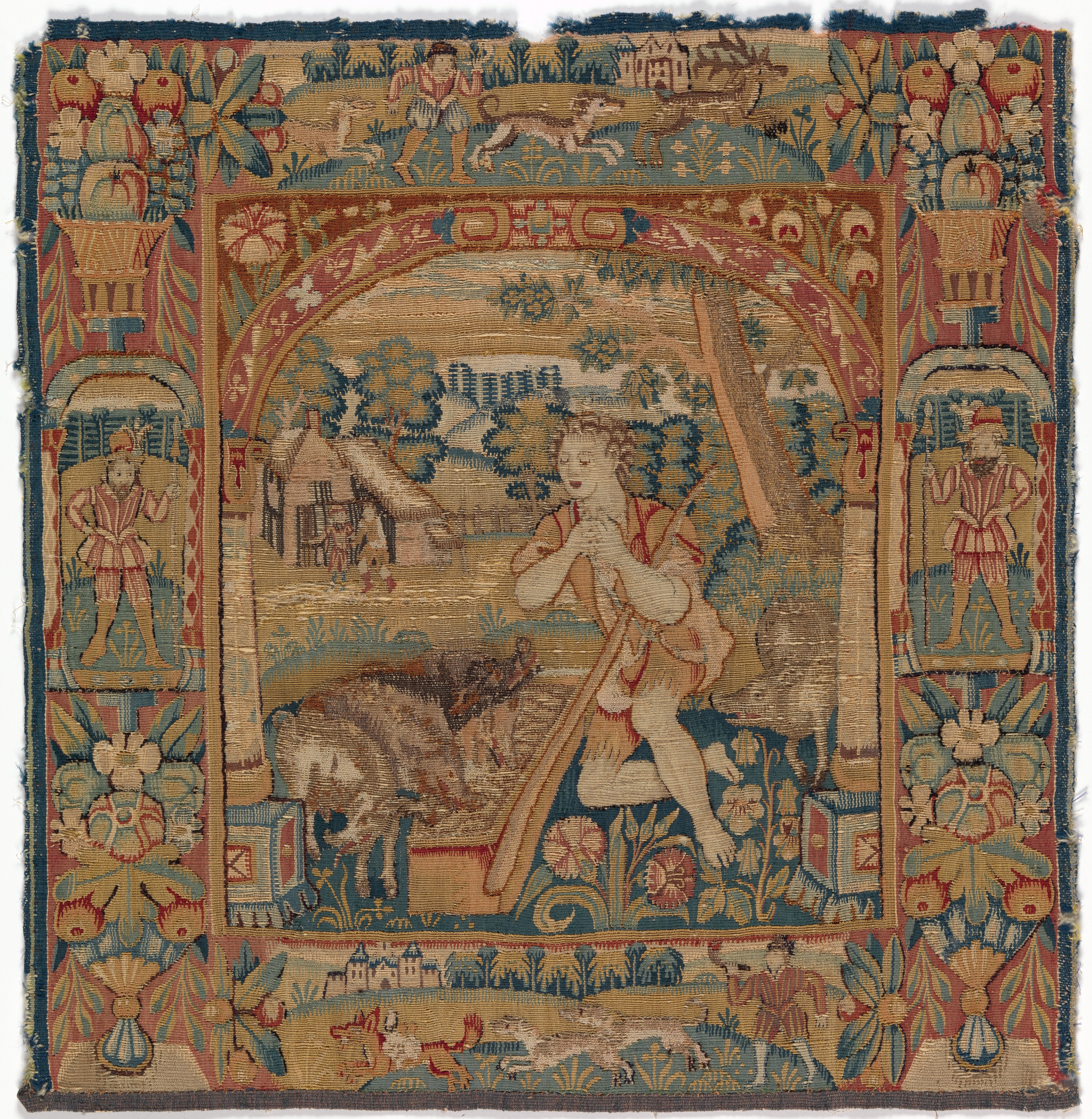
Deconstructing Divine Narrative: The Prodigal Son as Avant-Garde Catalyst
Within the hallowed, clinical atelier of Zoey Fashion Laboratory, narrative is not merely inspiration; it is a structural component to be disassembled and re-engineered. For the SS26 standalone study, we have selected a singular, potent frame from the archetypal parable: The Repentance of the Prodigal Son. This moment of abject return, of knees meeting earth and pride dissolving into dust, is not treated as a religious icon but as a biomechanical and sociological data point. Our analysis transcends the biblical to interrogate universal themes of collapse, return, and the imperfect mending of the self. The parable’s Global Frontier origin signals a deliberate departure from Eurocentric fashion historiography, proposing instead a nomadic, borderless philosophy of form where emotion is the only true territory.
Structural Innovation: The Architecture of Collapse and Asymmetrical Return
The core sartorial challenge lies in manifesting a state of simultaneous disintegration and hopeful re-composition. The silhouette for SS26 is not a garment worn, but a kinetic architecture orbiting the body. We propose a tripartite structural system. First, a deconstructed "exoskeleton" in rigid, full-weight wool (22 warps per inch), referencing the husk of the son's former, arrogant identity. This element is fractured, with sharp, geometric seams that appear violently opened, creating negative space that reveals the second layer. Second, a fluid, distressed silk under-structure, representing the vulnerable, repentant self. This silk is not pristine; it is thermally bonded to itself in erratic, scar-like formations, a technique we term "cicatrix pleating," symbolizing the permanent, yet transformative, memory of trauma. The third element is a monofilament harness, a barely-there lattice that acts as a tensile bridge between the broken wool and the mended silk, illustrating the fragile tension between past and future selves.
The silhouette is profoundly asymmetrical. One shoulder bears the weight of the shattered wool architecture, dragging the line downward in a visual metaphor for burden. The opposite side ascends, with the silk bursting forth in a streamlined, optimistic column that terminates in an exaggerated, single-pointed sleeve—a futuristic echo of a penitent's reaching gesture. The back reveals the narrative climax: a cascading wool "train" that dissolves into silk threads, embedded with micro-capacitors that emit a low, pulsating glow upon detecting the wearer's elevated heart rate, biometrically echoing the moment of emotional climax.
Material Dialectics: Wool as Memory, Silk as Transformation
The specified materials—high-density wool and silk—are engaged not for tradition, but for their innate psychic and physical properties. The 22-warps-per-inch wool is a fabric of record and rigidity. Through algorithmic wet-felting, we imprint it with sublimated, fragmented text from the parable, creating a dense, tactile "text" that is only partially legible. It is memory made corporeal, heavy with the past. In contrast, the silk undergoes a proprietary "liquefaction then re-weaving" process. The silk is first enzymatically degraded to a state of near dissolution, then reinforced with liquid polymer and re-woven on a modified loom, creating a fabric that possesses the ethereal sheen of silk but the anomalous, resilient drape of a synthetic. This represents the transformative crucible of repentance: the self is broken down to its essence before a stronger, more conscious reconstitution is possible.
The interaction between these materials is engineered for dissonance and dialogue. Magnetic closures hidden within the wool exoskeleton allow for sections to be dynamically attached or shed by the wearer, enabling a performative aspect to the garment. The silk, treated with a phase-change molecular coating, reacts to ambient temperature, shifting opacity in response to the environment—a metaphor for the repentant individual's heightened vulnerability and sensitivity.
Futuristic Silhouette in Context: SS26 and the Neo-Spiritual Avant-Garde
This study positions Zoey Fashion Laboratory at the vanguard of the neo-spiritual avant-garde movement. In an era of digital saturation and existential fragmentation, SS26 seeks to reclaim and technologically re-frame profound human emotional states. The "Repentance" silhouette is not a costume for religion; it is a speculative design for processing regret and return in a post-human context. The garment's harness and biometric lighting propose a future where clothing is an active interface for emotional externalization, a therapeutic architecture that visually manifests internal states.
As a standalone study, it operates as a rigorous philosophical proposition. It challenges the conventions of couture by prioritizing conceptual integrity over wearability, yet it maintains an undeniable, severe elegance. The silhouette, in its stark asymmetry and dramatic material contrasts, creates a walking shadow—a silhouette that is at once broken and majestic. It speaks to a future where fashion's highest purpose is not to adorn the body, but to construct a tangible dialogue between our inherited narratives, our present fractures, and our aspirational, mended selves. This Prodigal Son returns not to a father's house, but to a new self-awareness, clad in an architecture of his own poignant transformation.