Deconstructing the Small Sword: A New DNA Strand for Zoey Fashion Lab
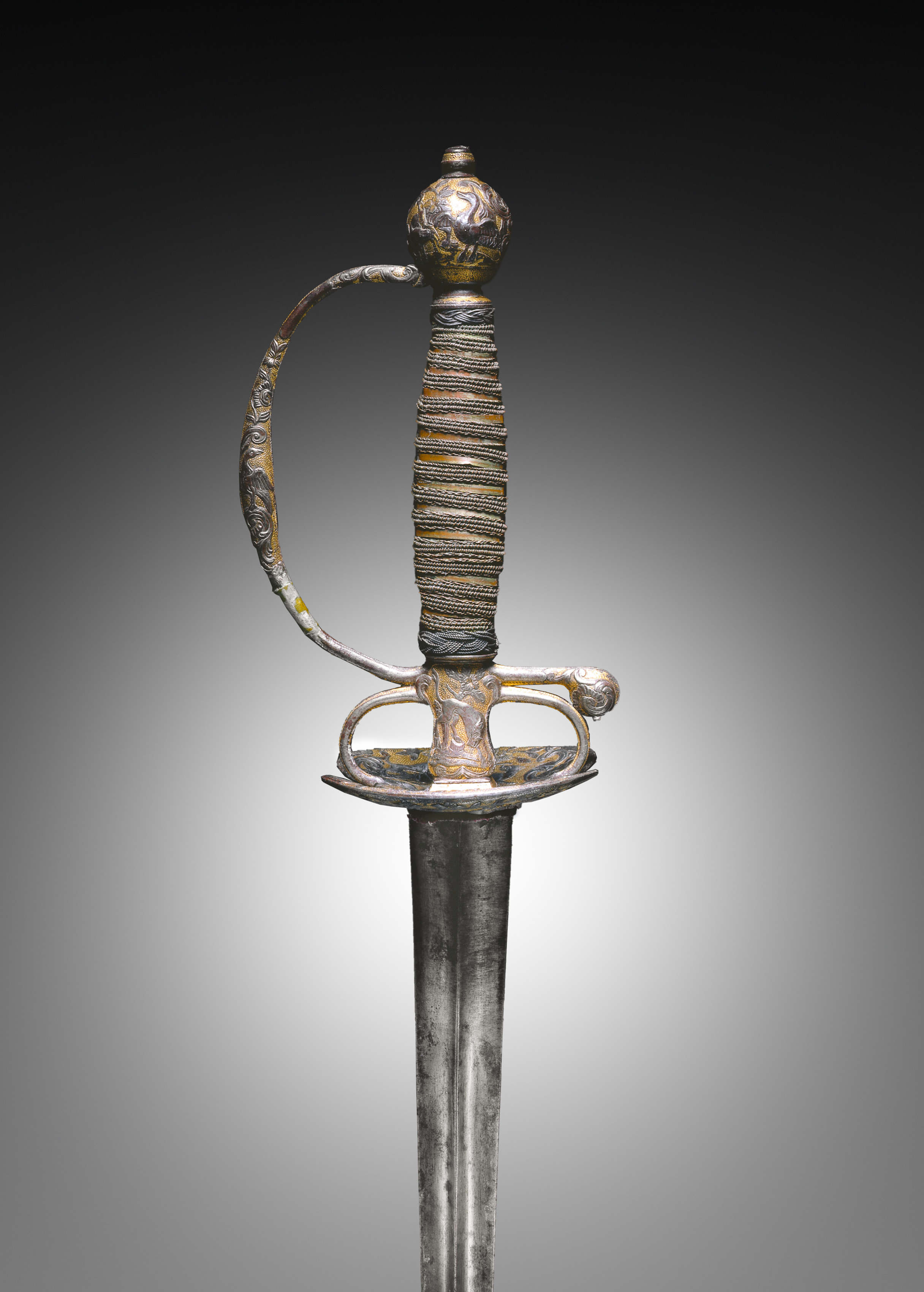
The small sword, a relic of aristocratic dueling and courtly elegance, presents a paradox to the contemporary fashion house. It is at once a lethal instrument and a delicate ornament, a symbol of rigid social codes and personal honor. For Zoey Fashion Lab, this object is not a historical artifact to be replicated, but a genetic code to be extracted, mutated, and re-expressed. Our deconstruction focuses on the sword’s material grammar—steel, gilt, russet, copper, and wood—to forge a new design language that is unapologetically avant-garde. We are not looking at the sword as a weapon; we are looking at it as a structural blueprint for a new silhouette, a new texture, and a new philosophy of adornment.
Material Genealogy: From Battlefield to Body
The technical specification of the small sword—steel, gilt, russeted, copper, wood—offers a rich palette of contrasting properties. Steel provides rigidity, tensile strength, and a cold, reflective surface. Gilt (gold leaf over copper or silver) introduces warmth, luminosity, and a sense of preciousness. Russeting, a chemical treatment that darkens and textures the steel, creates a matte, almost organic finish, reminiscent of aged leather or bark. Copper suggests conductivity, warmth, and a living patina that evolves with time. Wood, typically used for the grip, grounds the object in organic tactility, offering a counterpoint to the metallic coldness.
In our design laboratory, these materials are not used literally. Instead, we translate their physical properties into fabric and construction techniques. Steel becomes a high-density, liquid-metal jersey with a mirror-like sheen. Gilt is translated into metallic brocade or hand-applied foil accents on sheer organza. Russeting inspires a new finishing process: a chemical wash that creates a mottled, smoky effect on silk velvet, giving it a weathered, non-reflective depth. Copper is reimagined as fine copper wire woven into mesh, creating a flexible yet structured textile that conducts light. Wood is abstracted into a rigid, sculptural corsetry using laminated bamboo or a high-tech bio-resin, mimicking the grip’s ergonomic curves.
The Structural Silhouette: The Blade’s Geometry
The small sword’s blade is a study in triangular geometry—a three-sided, tapering form designed for precision and thrust. This is our primary silhouette driver. We propose a collection built on the “blade line”: a sharp, asymmetric diagonal cutting across the body. This manifests in dramatic, single-seam coats that start wide at the shoulder and taper to a razor-thin point at the hem. Trousers are cut with a severe, forward-pitched angle, creating a dynamic, forward-leaning stance. Dresses feature a triangular panel that wraps from the hip, across the torso, and terminates in a pointed train, echoing the blade’s taper.
Furthermore, the sword’s hilt, with its intricate guard and pommel, informs our approach to necklines and collars. The guard’s elliptical or figure-eight shape becomes a sculptural collar—a rigid, high-standing frame constructed from the aforementioned bio-resin and copper mesh. The pommel, a counterweight at the base, inspires weighted hems and trailing details that add a sense of gravitational drama. The overall effect is a silhouette that is both architectural and fluid, suggesting the poised, coiled energy of a duelist before the lunge.
Surface Narrative: The Patina of Power
The surface treatment of the historical sword is not merely decorative; it is a narrative of status and use. The polished steel speaks of readiness; the gilt, of wealth; the russeting, of a controlled, dark aesthetic preferred by the later 17th-century court. We translate this into a layered textile story. Our primary fabric is a double-faced wool—one side is a pristine, mirror-polished black (steel), the other is a smoky, russet-toned suede (russet). This allows for reversible garments that shift in mood and form.
We introduce a technique called “gilt erosion”: a laser-cut process that partially removes metallic foil from a base fabric, leaving behind a pattern that mimics the worn, gilded edges of an antique sword guard. This is used on sheer sleeves and overlays, creating a sense of decay and opulence simultaneously. Copper accents are applied as rivets, grommets, and fine chainmail panels at stress points—shoulders, elbows, and hips—suggesting both armor and vulnerability. The wood is echoed in a carved, wooden bead embroidery that traces the seams, adding a tactile, organic rhythm to the metallic precision.
The New DNA Strand: Deconstruction as a Living System
The reference to a “New DNA Strand” is crucial. We are not creating a costume; we are creating a mutated lineage. The small sword’s DNA is spliced with elements of contemporary streetwear, bio-design, and digital fabrication. The blade’s edge becomes a seamless laser-cut seam that fuses fabrics without stitching, creating a sharp, clean line. The hilt’s complexity is translated into modular, 3D-printed clasps that allow garments to be reconfigured—sleeves detach, collars become belts, trains become capes.
This is performative fashion. The wearer is not passive; they are an active participant in the garment’s evolution, much like a duelist adjusts their grip. The collection is designed to be deconstructed and reassembled on the body, reflecting the avant-garde ethos of constant flux. The patina of copper and the erosion of gilt are not flaws; they are living records of the wearer’s movements and interactions. Each scratch, each fold, is a new strand in the garment’s personal DNA.
In conclusion, the small sword, stripped of its historical context, reveals a profound structural and material poetry. For Zoey Fashion Lab, it is a catalyst for innovation—a way to challenge the boundaries between hard and soft, precious and brutal, static and dynamic. The resulting collection is not a homage to the past but a provocation for the future, a new strand of design that is sharp, intelligent, and unapologetically avant-garde.