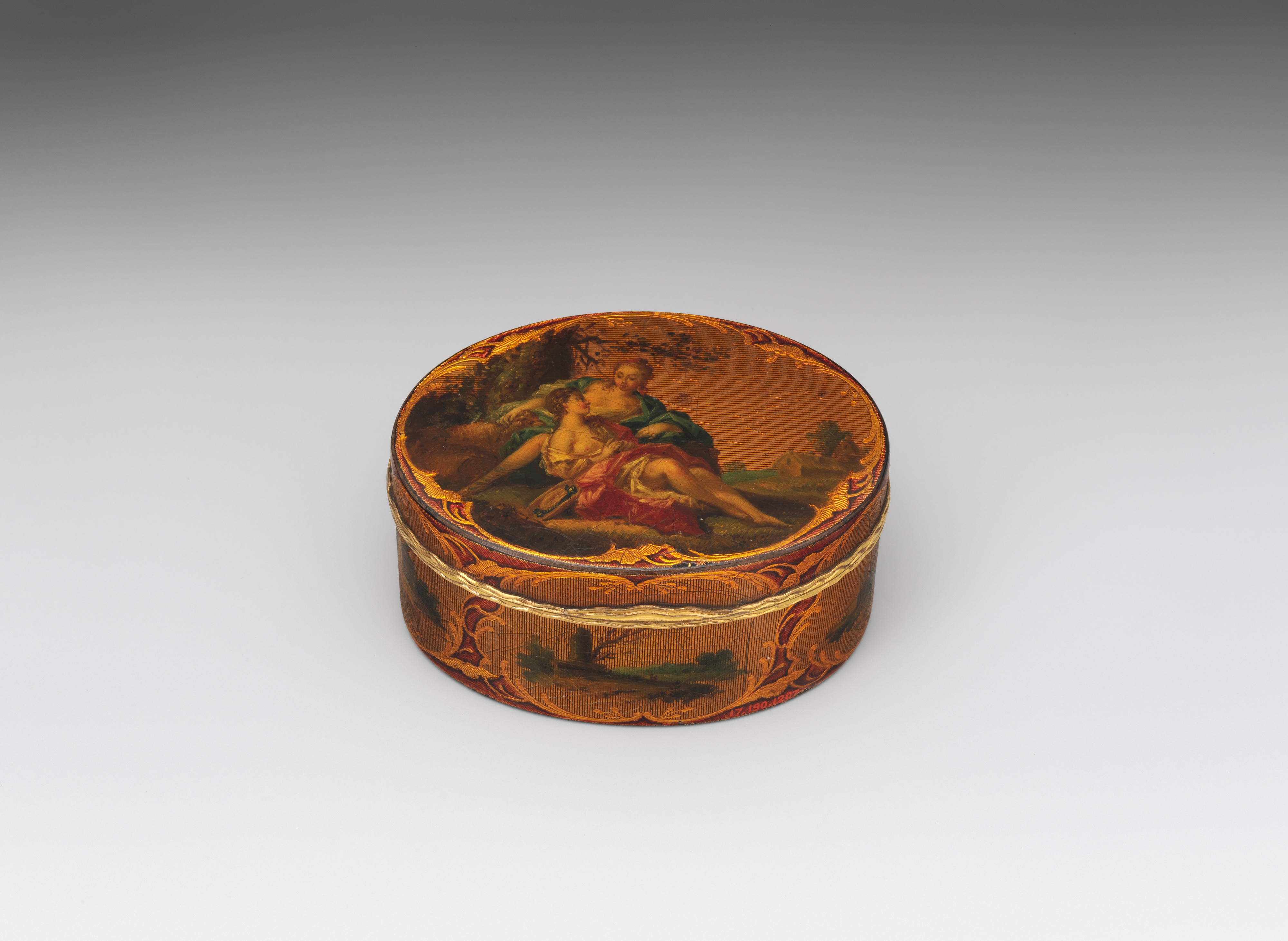
The Snuffbox Reconfigured: A Vernis Martin Manifesto for SS26
In the rarefied air of the avant-garde, where garment construction is less about covering the body and more about questioning its very architecture, the snuffbox emerges as an unlikely but potent muse. For Zoey Fashion Laboratory’s SS26 investigation, we have extracted the essence of this 18th-century objet de vertu—its lacquered sheen, its intimate scale, its gilded hinges—and subjected it to a brutalist, futuristic reinterpretation. The result is not a nostalgic homage but a structural provocation: a study in containment, release, and the tension between microscopic luxury and monumental silhouette.
Deconstructing the Vernis Martin Surface: From Lacquer to Living Membrane
The material genesis of this collection begins with Vernis Martin, the celebrated French varnish that transformed papier-mâché into a mirror of aristocratic desire. Its glossy, almost liquid depth is our starting point—but we refuse its historical passivity. In SS26, that lacquer is not a finish; it is a biomimetic skin. We have developed a proprietary textile that replicates the optical density of Vernis Martin using a micro-encapsulated resin over a recycled cellulose base. This material, when worn, shifts from opaque obsidian to translucent amber under body heat, mimicking the snuffbox’s secretive interior revealed only upon touch.
The gold filigree, traditionally applied as delicate scrollwork, is translated into structural exoskeletons. Rather than adorning the surface, gold-alloy filaments are woven into the textile’s warp and weft, creating a lattice that can be thermally activated. When the wearer raises an arm, the filaments contract, pulling the fabric into sharp, origami-like folds. This is not decoration; it is kinetic architecture. The garment breathes, snaps, and reconfigures itself, echoing the snuffbox’s hinged lid snapping open and shut. The silhouette becomes a living mechanism, a cyborgian relic of Rococo opulence fused with cybernetic precision.
Silhouette as Compartment: The Pannier Reimagined
The snuffbox’s defining feature is its compartmentalized interior—a micro-ecosystem of powder, scent, and social ritual. For SS26, we extrapolate this into the silhouette itself. Forget the fluid, draping lines of conventional couture. Our new form is modular and cellular. Each garment is composed of discrete, inflated panels—think of them as wearable snuff compartments—constructed from high-pressure sealed seams. These panels are not static; they can be independently inflated or deflated via micro-valves, allowing the wearer to alter their own architectural footprint in real time.
Consider the Pannier-Compartment Gilet: a waistcoat that extends into exaggerated, box-pleated side hoops reminiscent of the 1750s, but rendered in rigid, lacquered composite. Each pleat houses a hidden pouch—a nod to the snuffbox’s utilitarian secrecy—capable of storing personal data chips or aromatic sachets. The overall effect is a silhouette that is simultaneously armored and fragile, a portable fortress of personal ritual. The shoulders are not padded but cantilevered, jutting forward like the lid of a box about to hinge open, while the back remains starkly flat, creating a dramatic frontal volume that challenges the viewer’s spatial expectations.
Structural Innovation: The Hinge and the Lock
No snuffbox exists without its hinge. In our SS26 lexicon, the hinge becomes the primary joinery system for the entire collection. Gone are seams, zippers, and buttons. Instead, garments are assembled using articulated metallic hinges—miniature, gold-plated mechanisms that allow for unprecedented range of motion while maintaining rigid structural integrity. A jacket’s sleeve does not rotate at the shoulder; it pivots on a visible hinge joint, creating a distinct, mechanical line. The elbow, the wrist, even the ribcage are articulated points of rotation, transforming the human body into a series of interlocking compartments.
This hinge system enables a radical new form of dressing: the unfolding garment. A full-length coat, when unhinged at its central spine, flattens into a rectangular panel that can be folded into a compact, snuffbox-sized cube, complete with a magnetic gold clasp. This is not merely a travel convenience; it is a philosophical statement on transience and containment. The wearer carries their entire ensemble as a precious object, only to unfold it into a three-dimensional architectural presence. The ritual of dressing becomes an act of locksmithing, a deliberate, almost ceremonial engagement with hardware.
The Futurist Palette: Gold, Black, and the Absence of Color
Color is treated with monastic restraint. The primary palette is Vernis Noir—a deep, reflective black that absorbs light and then throws it back in fractured glints, mirroring the lacquered surface of the original. Secondary is Or Froid, a cold, almost silver-gold that does not warm the skin but rather cools it, suggesting an post-human alloy. Accents of Poudre de Riz—a pale, chalky white—appear only in the interior linings of the compartments, visible only when a hinge is opened or a panel is deflated. This is a collection that whispers its opulence through negative space and mechanical reveal, not through chromatic excess.
Conclusion: The Snuffbox as Post-Industrial Relic
In this standalone study, the snuffbox is no longer a relic of powdered wigs and courtly intrigue. It is a blueprint for a new corporeal syntax. By fusing the material memory of Vernis Martin with the logic of modular engineering, we propose a wardrobe for a future where garments are not worn but operated. The silhouette is aggressive, intellectual, and profoundly alien—a direct challenge to the soft, organic forms that dominate contemporary fashion. SS26 is not about comfort; it is about controlled tension. It is about the pleasure of a precisely calibrated hinge, the satisfaction of a sealed compartment, and the audacity of wearing a box that contains not snuff, but the entire concept of self. This is couture as mechanism, and the mechanism is poised to spring.