Deconstructing the Genetic Code of Luxury: The Avant-Garde Textile with Diamonds
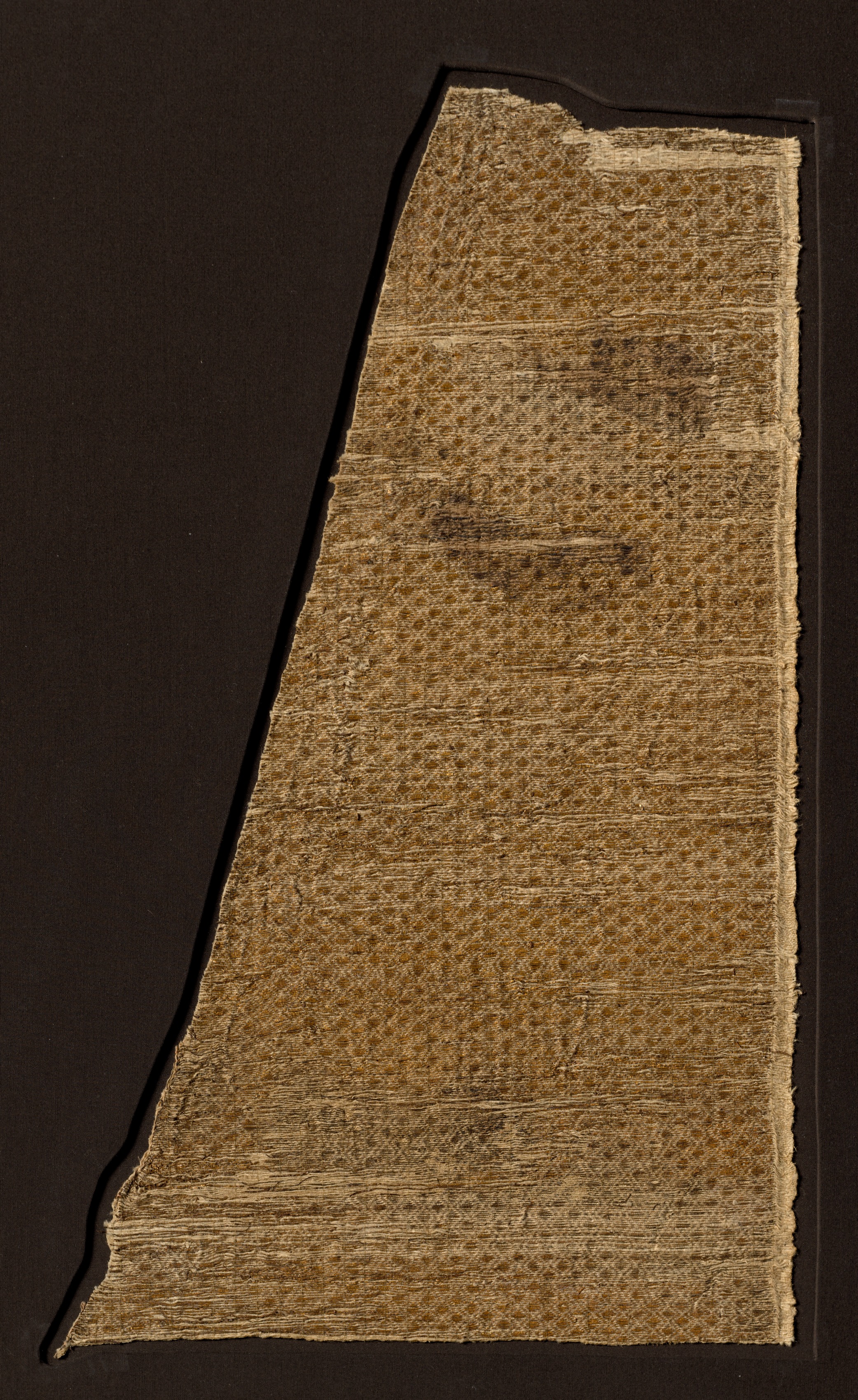
At Zoey Fashion Lab, our mandate transcends the mere cataloging of fabric. We are engaged in a continuous process of fabric deconstruction, peeling back the layers of history, technique, and materiality to reveal the latent potential within each textile. In our latest analysis, we turn our attention to a singular artifact: a Central Asian textile composed of silk, cotton, and silver thread, woven in a tabby structure with a supplementary weft, and punctuated by the presence of diamonds. This is not merely a cloth; it is a genetic anomaly—a new DNA strand in the evolutionary chain of fashion. Our deconstruction reveals that this piece is not a relic of the past, but a blueprint for an avant-garde future.
I. The Material Genome: Silk, Cotton, and Silver
The primary structure of the textile is a study in deliberate contrast. The silk warp provides a foundation of luminous, continuous filament—a protein-based fiber that catches light with a liquid sheen. This is the backbone, the alpha-helix of our textile DNA. It offers tensile strength and a smooth, almost frictionless surface that is historically associated with nobility and ceremony. In contrast, the cotton weft introduces a grounding, earthy element. Cotton, a cellulose fiber, is shorter, softer, and more absorbent. Its inclusion is a pragmatic counterpoint to silk’s slipperiness, adding body and a matte texture that prevents the fabric from becoming overly slick or slippery. This interplay between protein and cellulose creates a tactile duality—a surface that is simultaneously cool and warm, smooth and slightly napped.
The third component, the silver thread, is the disruptive mutation. Wrapped around a silk or cotton core, the metal filament is not merely decorative; it functions as a conductive pathway. In traditional Central Asian weaving, silver was used for its reflective properties, symbolizing light, purity, and status. However, from a deconstructionist perspective, the silver thread introduces a physical property that is entirely alien to the organic fibers: metal conductivity. This introduces a potential for interaction with light and even technology that is absent in a purely organic weave. The silver’s tarnish, a natural oxidation process, becomes a living record of time and environment, making the textile a dynamic, changing entity rather than a static object.
II. The Structural Code: Tabby and Supplementary Weft
The weave structure is where the true genius of construction lies. The base is a simple tabby weave, the most fundamental of all weaving patterns—a one-over, one-under interlacing. This creates a dense, stable, and unpretentious ground fabric. It is the non-coding region of our DNA, providing the structural integrity upon which the complex expression is built. The simplicity of the tabby is crucial; it acts as a neutral canvas, ensuring that the ornamental elements do not compromise the fabric’s durability or drape.
The supplementary weft is the coding sequence that defines this textile’s unique identity. This is a secondary set of weft threads, woven in addition to the ground weft, that floats across the surface to create patterns. In this case, the supplementary weft is composed of the silver thread, which is manipulated to form intricate, geometric motifs. The float technique means that the silver is not locked into the structure on every pass; it is allowed to travel across the surface, creating a raised, textured relief. This is a form of structural embroidery, where the pattern is not applied post-production but is an integral part of the weave itself. The result is a fabric that has a three-dimensional topography—a landscape of light and shadow where the silver catches the eye and the silk recedes into the background.
III. The Diamond Disruption: A New Mutation
The inclusion of diamonds is the most radical element of this piece. Traditionally, diamonds in Central Asian textiles were either embroidered on the surface or used as separate jewelry. Here, they are integrated into the weave itself, likely set into the silver mounts or woven into the supplementary weft. This is not an ornamentation; it is a physical and chemical disruption of the textile matrix. The diamond, a crystallized carbon structure, is the hardest natural substance known to man. Its presence introduces a point of absolute rigidity within a flexible, supple fabric.
From a deconstructionist standpoint, this is a deliberate act of creative violence. The diamond does not conform to the fabric’s drape; it resists it. It creates points of tension, small anchors where the fabric is forced to fold, bend, or break. This is the antithesis of fluidity, and it is precisely this tension that makes the textile avant-garde. The diamond is a data point, a node of extreme value and hardness that disrupts the soft, organic flow of the silk and cotton. It challenges the very definition of what a textile can be—no longer a passive covering, but an active, sculptural element that imposes its will on the wearer’s body.
IV. The Avant-Garde Application: Fashion as Genetic Expression
For Zoey Fashion Lab, this textile is not a museum piece; it is a starting point for a new design language. The avant-garde application lies in embracing the contradictions inherent in the material. We propose a garment that does not hide the textile’s rigidity but celebrates it. Imagine a deconstructed jacket where the diamond-encrusted weft panels are used as structural armor, while the pure silk and cotton sections flow as soft, organic underlayers. The garment would be a study in biomimicry, mimicking the exoskeleton of an insect—hard, protective plates connected by flexible membranes.
The silver thread’s conductivity opens a speculative door. In a future-forward context, this textile could be integrated with micro-LEDs or sensors, allowing the diamonds to become literal light-emitting nodes. The wearer would not just wear a garment; they would wear a responsive, interactive surface. The tarnishing of the silver could be used as a visual index of wear and tear, a performative aging process that makes each garment unique to its owner. The diamonds, instead of being static symbols of wealth, become functional components of a living, breathing system.
V. Conclusion: The Future is Woven
Our deconstruction of this Central Asian textile reveals a profound truth: the future of fashion lies not in the creation of new fibers, but in the recombination of existing genetic material. The silk, cotton, and silver are the base pairs; the supplementary weft is the gene that expresses them; and the diamond is the mutation that drives evolution. This textile is a testament to the ingenuity of its original weavers, who unknowingly created a material that is perfectly suited for the radical, conceptual designs of the 21st century.
At Zoey Fashion Lab, we do not simply use fabrics; we interrogate them. We ask what they can become, not just what they are. This textile, with its unique combination of organic and inorganic, flexible and rigid, historical and futuristic, is a new DNA strand. It is a blueprint for garments that are not merely worn but inhabited—pieces that challenge the relationship between body, cloth, and environment. The textile with diamonds is not a conclusion; it is a genesis. It is the starting point for a new species of fashion, one that is unapologetically avant-garde, deeply rooted in history, and fiercely looking toward the future.