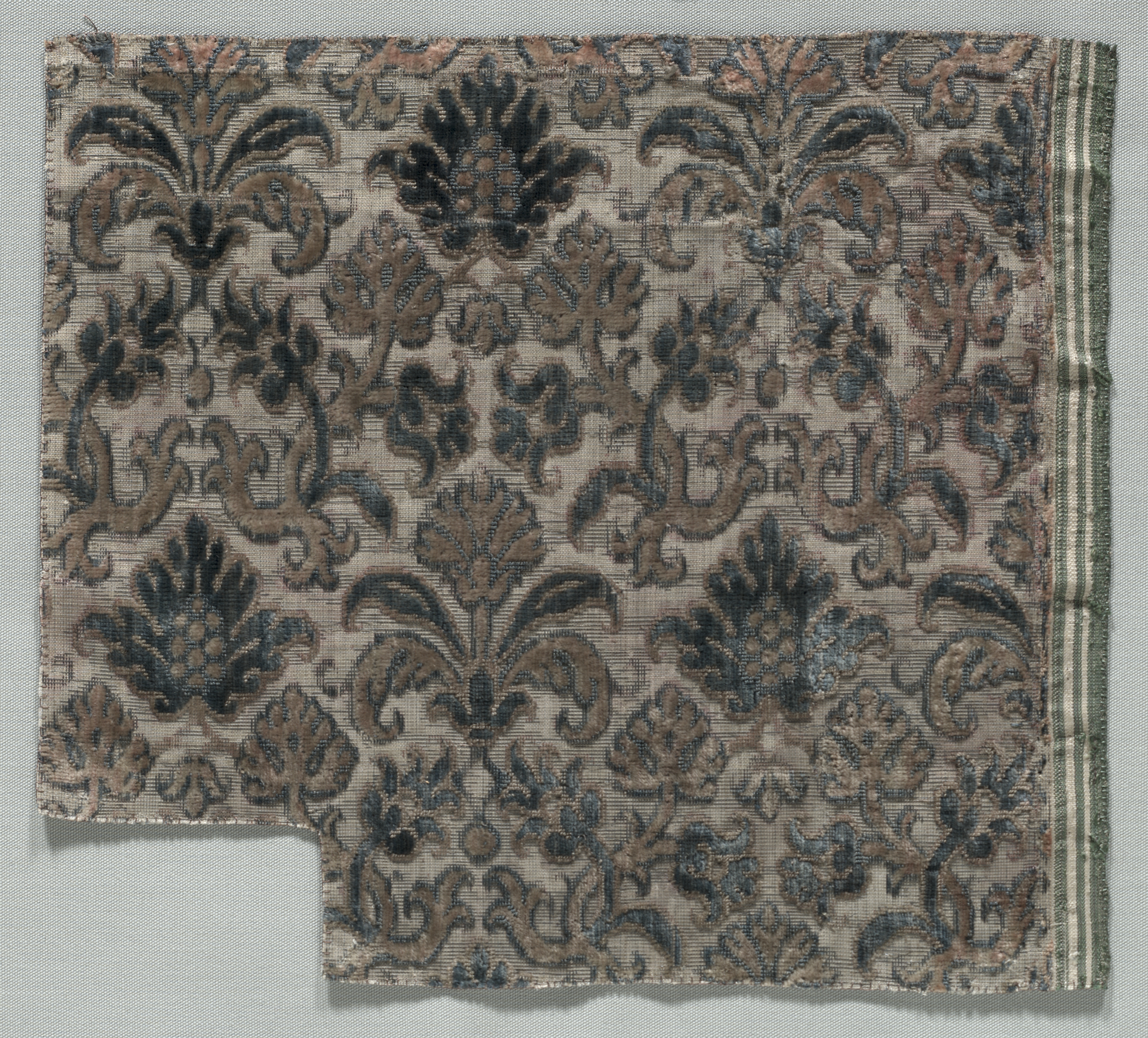
Deconstructing the Velvet Fragment: A New DNA Strand for Avant-Garde Expression
At Zoey Fashion Lab, our mandate extends beyond mere garment construction; we engage in the systematic interrogation of materiality itself. The subject of this analysis, the Velvet Fragment—sourced from the historic textile mills of Italy—presents a compelling paradox. It is at once a relic of classical luxury and a primitive substrate for future-oriented design. Referenced internally as the “New DNA Strand,” this fragment is not simply a piece of fabric. It is a biological metaphor, a genetic code waiting to be spliced, mutated, and re-expressed through the lens of avant-garde methodology.
This report dissects the fragment’s physical properties, its Italian provenance, and its strategic application within our laboratory’s experimental framework. We will move beyond the surface pile to understand why this specific velvet—in its apparent fragility and historical weight—serves as the optimal building block for our next collection.
Material Provenance and Tactile Genomics
The origin of the Velvet Fragment is critical to its identity. Italy, particularly the regions of Lombardy and Tuscany, has maintained an unbroken lineage of velvet production since the Renaissance. This is not industrial-grade textile; it is a hand-finished, silk-blend velvet with a dense, low-pile construction. The tactile experience is immediate and disorienting: the surface is impossibly soft, yet the underlying structure is taut and almost architectural. This duality—the soft exterior and the rigid internal matrix—is the first indicator of its DNA-like properties.
Under magnification, the fragment reveals a complex warp and weft system. The silk foundation provides tensile strength, while the mohair or viscose pile creates a light-refractive surface that shifts from deep aubergine to midnight black depending on the angle of incidence. This is not a static color; it is a chromatic oscillation that mimics the way light interacts with organic cellular structures. For our laboratory, this means the fabric is not merely a surface to be printed upon, but a living membrane that reacts to environmental stimuli—a key characteristic for avant-garde pieces that prioritize wearer interaction.
The Structural Anomaly: Beyond Conventional Velvet
Standard velvet is prized for its uniformity. The Velvet Fragment, however, exhibits deliberate irregularities. There are subtle crush marks, variations in pile height, and occasional exposed sections of the silk ground. In traditional couture, these would be considered flaws. At Zoey Fashion Lab, we classify these as genetic markers. These anomalies allow for a deconstructionist approach where the garment’s construction is not hidden but celebrated as a visible, tactile narrative.
The fragment’s weight—approximately 340 grams per square meter—places it in a category of medium-heavy drape. This is crucial. It does not float; it falls with a deliberate, liquid gravity. When draped on a mannequin, it creates folds that resemble the fissures of geological strata or the folds of a cerebral cortex. This is the ‘New DNA’ in action: the fabric’s inherent memory allows it to hold sculptural forms without the need for heavy interfacing or boning. It is a self-supporting structure, a textile exoskeleton.
Avant-Garde Application: The Splicing Protocol
The avant-garde is not about shock value; it is about recontextualizing the familiar to reveal the unfamiliar. Our protocol for the Velvet Fragment involves a three-stage process: Isolation, Mutation, and Replication.
Isolation involves cutting the fragment against the grain. By slicing diagonally across the pile, we disrupt the optical flow, creating a jagged, almost pixelated edge. This technique, which we call ‘frayed genomics,’ exposes the raw silk threads, turning the hem into a fringe of genetic material. This is not a decorative trim; it is a structural necessity that allows the garment to breathe and move with a new kinetic energy.
Mutation is achieved through heat and pressure. We apply targeted, low-temperature heat to specific zones of the velvet, causing the pile to crush permanently. This creates a topographic map on the garment’s surface—elevated and depressed regions that simulate a cellular landscape. When combined with the fragment’s natural sheen, this process produces a garment that appears to be in a state of constant metamorphosis, shifting from glossy to matte, from opaque to translucent, as the wearer moves.
Construction Methodology: The Inverted Seam
Traditional velvet construction requires seam allowances to be pressed open to avoid bulk. Our avant-garde approach inverts this logic. We utilize a French seam, but with the raw edges exposed on the exterior. This is a deliberate act of ‘genetic exposure.’ The interior of the garment, typically hidden, becomes the primary visual language. The silk threads, now visible on the outside, create a secondary texture that contrasts sharply with the plush velvet pile. This technique speaks to the contemporary ethos of radical transparency—both in fashion and in the deconstruction of social norms.
Furthermore, we employ a technique of ‘dry bonding’ at the seams. Instead of sewing, which can puncture and weaken the silk foundation, we use a low-melt adhesive film that fuses the velvet layers together. This creates a seamless, almost liquid silhouette, allowing the garment to flow as a single, continuous organism. The result is a piece that feels weightless yet possesses the structural integrity of armor.
Strategic Relevance for the Zoey Fashion Lab Collection
The Velvet Fragment, as the ‘New DNA Strand,’ will serve as the foundational element for our upcoming ‘Bio-Lux’ capsule. This collection will not feature conventional silhouettes. Instead, we will produce asymmetrical, cocoon-like forms that wrap the body in a protective yet vulnerable shell. The velvet’s inherent duality—opulence and decay—aligns perfectly with our narrative of post-human luxury.
We project that garments constructed from this fragment will not be mass-produced. Each piece will carry the unique ‘mutations’ of the fabric’s natural irregularities, making every garment a one-of-one artifact. This aligns with the growing market demand for authentic, non-replicable fashion that challenges the fast-fashion paradigm.
In conclusion, the Velvet Fragment from Italy is not merely a material input. It is a conceptual catalyst. Its physical properties—the silk foundation, the reactive pile, the structural memory—provide the perfect medium for our deconstructionist experiments. By treating this fabric as a biological entity, we are not just making clothes; we are engineering a new form of wearable architecture. The ‘New DNA Strand’ is our declaration that true avant-garde innovation lies not in abandoning tradition, but in dissecting it, understanding its core code, and reassembling it into a form that speaks to the future of human expression.