Deconstructing the Future: A Study in Compound-Weave Silk Architecture
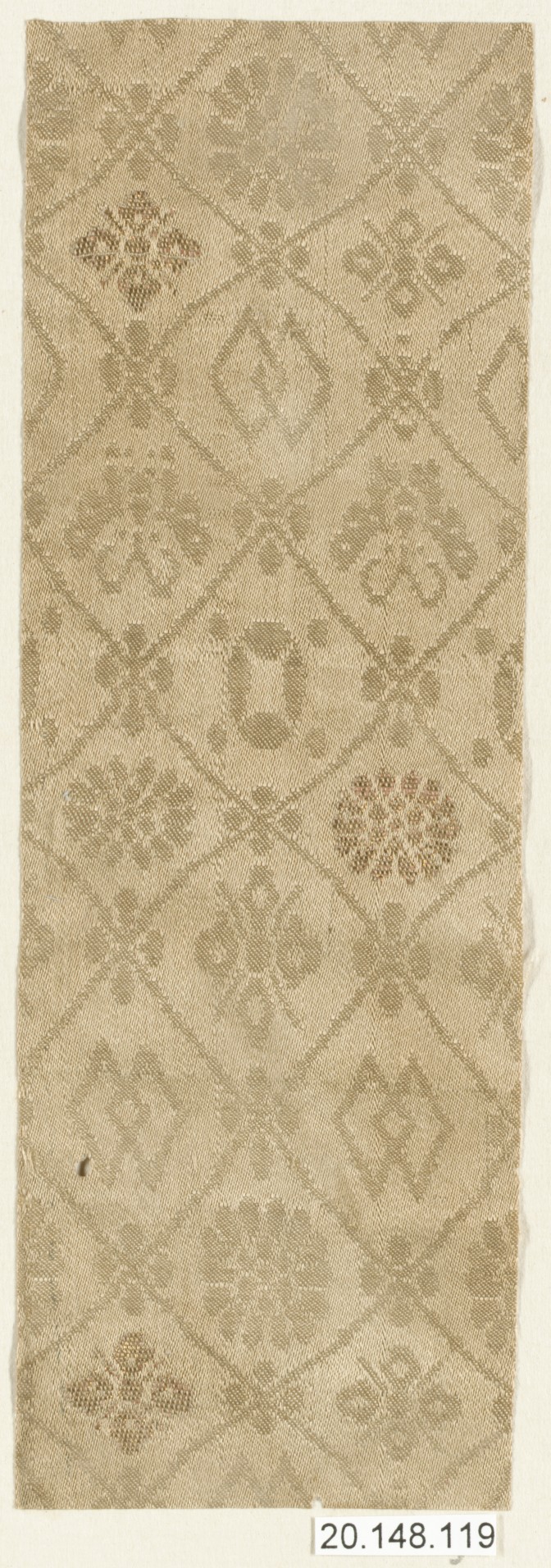
Within the hallowed confines of Zoey Fashion Laboratory, the garment ceases to be mere covering and transcends into a dialogue between material memory and speculative form. The subject of this definitive analysis—a standalone piece originating from China, constructed from a sumptuous yet structurally rigorous compound-weave silk—serves as a potent manifesto for the Spring/Summer 2026 season. This is not a dress; it is a thesis on temporal collapse, where the artisanal heritage of ancient Chinese sericulture is violently, yet poetically, re-engineered to meet the angular demands of a post-human aesthetic.
The Paradox of Pliancy: Material as Structural Skeleton
At first glance, silk connotes fluidity, drape, and a liquid grace that has defined luxury for millennia. However, the compound weave—a technique historically reserved for the most opulent of brocades and damasks—introduces a radical departure. By interlocking multiple warp and weft systems, the fabric achieves a paradoxical rigidity. It no longer falls; it holds. It does not cling; it cantilevers. This is the first act of avant-garde subversion: the material’s inherent softness is weaponized into a load-bearing architecture. The silk is not merely dyed or printed; its surface is a topographical map of tension, with each intersection of thread acting as a micro-joint, allowing the garment to maintain a sculptural silhouette without the crutch of boning or heavy interfacing.
This choice is profoundly forward-thinking for SS26. As climate volatility and digital nomadism redefine wardrobe functionality, the industry has craved materials that offer both comfort and form. Here, the compound weave delivers a thermoregulating exoskeleton. The air pockets created by the multi-layer construction provide breathability while the dense face of the fabric offers a shield against the sun’s intensity. The innovation lies not in adding structure, but in coaxing it from the fiber itself—a lesson in sustainable luxury where the material's intrinsic properties negate the need for synthetic additives.
Silhouette as Landscape: The Asymmetry of Motion
The silhouette of this piece is a study in controlled chaos, a deliberate departure from the clean minimalism that has dominated recent runways. Here, the future is not sterile; it is organic, geological, and turbulent. The design embraces a radical asymmetry that defies the bilateral symmetry of the human form. One shoulder is anchored by a severe, almost architectural epaulet that extends into a sharp, wing-like fin, while the opposite side dissolves into a cascading, yet stiffened, train that hovers millimeters above the floor like a hovercraft's wake.
This is a futuristic silhouette that speaks to the dynamism of the modern individual—one who moves between virtual and physical realms. The front of the garment is cropped, revealing the waist and creating a sense of levitation, while the back extends into a dramatic, geometric volume that suggests a cape of data. The waistline is not cinched but rather articulated, with segments of the compound weave cut on the bias and then rejoined to create a honeycomb-like structure that expands and contracts with the wearer’s breath. This is not about fitting the body; it is about creating a second, autonomous shell that negotiates space on its own terms.
Structural Innovation: The Art of Negative Space
The true genius of this piece lies in its manipulation of negative space. In traditional couture, fabric is used to cover; here, it is used to define the void. Strategic cutouts are not mere decoration but are engineered as structural apertures, allowing the skin to act as a contrasting canvas. These openings are framed by the rigid silk, creating a chiaroscuro effect that emphasizes the interplay between light, shadow, and form. The edges of these apertures are not finished with conventional binding; instead, they are left raw, allowing the individual threads of the compound weave to fray slightly, creating a delicate, fibrous halo that softens the architectural severity.
Furthermore, the piece incorporates a system of kinetic pleats that are heat-set into the silk. These are not the delicate accordion pleats of Madame Grès, but rather deep, angular folds that resemble the striations of a canyon. When the wearer moves, these pleats do not flutter; they snap, creating a percussive sound that adds an auditory dimension to the visual experience. This integration of sound and movement elevates the garment from a static object to a performance instrument, aligning with the SS26 trend of immersive, multi-sensory fashion.
Cultural Commentary: From Heritage to Hypermodernity
It is impossible to divorce this piece from its Chinese origins. Yet, it does not reference the past through nostalgia or literal iconography. Instead, it engages in a process of abstracted cultural transcription. The compound weave itself is a nod to the technical mastery of the Song and Ming dynasties, but the silhouette is unequivocally from the year 2026. This is a deliberate act of decolonizing the future—asserting that avant-garde innovation is not the sole province of Western fashion capitals.
The garment’s color palette, a stark monochrome of bone white and deep obsidian, further emphasizes this futuristic purity. It is a blank canvas upon which the wearer projects their own digital identity. The texture is the primary communicator—the interplay of matte and lustrous threads within the weave creates a subtle, almost holographic shimmer that changes with the viewing angle, reminiscent of the iridescent surface of a beetle’s carapace or a high-resolution screen.
Conclusion: A Blueprint for SS26
This standalone piece is not merely an item of clothing; it is a blueprint for a new mode of dress. It argues that the future of couture lies in the intelligent manipulation of heritage materials to solve contemporary problems of mobility, climate, and identity. The compound-weave silk, with its dual nature of softness and strength, is the perfect metaphor for the modern individual—capable of both fluid adaptation and unyielding resolve. For SS26, Zoey Fashion Laboratory posits that the garment is not a passive wrapper, but an active participant in the wearer’s narrative, a piece of wearable architecture that stands as a monument to the limitless potential of structural innovation. It is a definitive statement that true avant-garde design is not about shock, but about the profound, unsettling beauty of a future that is already here. The body is the landscape; the silk is the city; and the silhouette is the skyline of tomorrow.