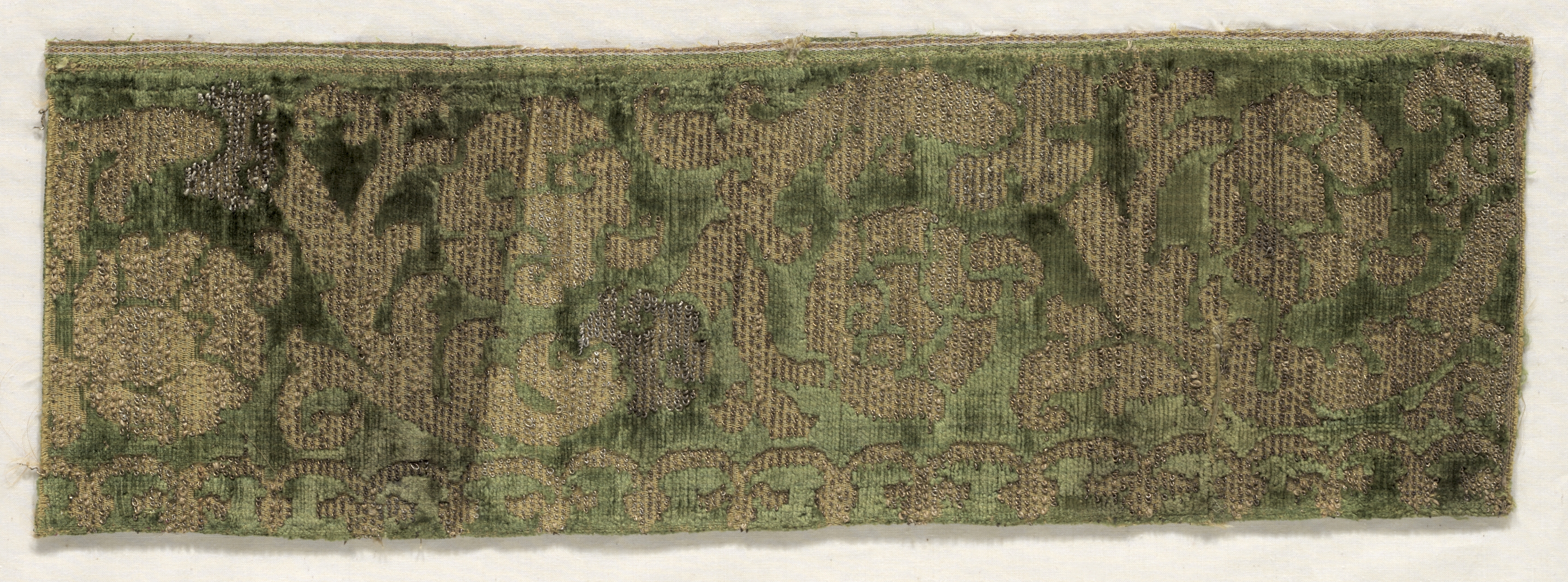
Deconstructing the New DNA Strand: A Technical and Conceptual Analysis of Spanish Velvet
At Zoey Fashion Lab, our mandate extends beyond the mere observation of textile surfaces; we dissect the very genetic code that constitutes contemporary luxury. In this analysis, we turn our focused lens upon a remarkable specimen: a Spanish-produced velvet, interwoven with silk and metallic thread, which we have internally codified as the “New DNA Strand.” This is not a fabric for the timid. It is a manifesto woven in fiber, a deliberate mutation of classical opulence into an avant-garde statement. Our deconstruction reveals a material that operates on multiple levels—tactile, visual, and conceptual—demanding a re-evaluation of what velvet can signify in modern fashion architecture.
I. Provenance and Material Integrity: The Spanish Heritage
The choice of Spanish origin is far from arbitrary. Spain, particularly the regions of Valencia and Catalonia, possesses a centuries-old pedigree in velvet production, dating back to the Moorish influence on textile arts. This heritage is not a nostalgic nod; it is a technical advantage. The Spanish mills we source from maintain a rigorous standard of high-twist yarn preparation and double-beam weaving that is increasingly rare in mass production. The silk component, procured from Murcia, provides a protein-based filament that offers superior hygroscopic properties—the fabric breathes, regulates temperature, and possesses a natural, luminous luster that synthetic alternatives cannot replicate. The metallic thread, likely a fine copper or silver alloy wrapped around a silk core, is not merely decorative. It is engineered for electromagnetic reflectivity and a distinct acoustic signature—a subtle, whisper-like rustle that signals presence before visual contact.
The base weave structure is a classic cut pile, but the execution is where the “New DNA” diverges. The pile height is irregular, varying from a micro-pile of 0.5mm to a sculptural 3mm in deliberate zones. This is not a defect; it is a topographical map. The metallic thread is not uniformly distributed but is introduced as a floating weft in a chaotic, yet mathematically sequenced, pattern. This creates a surface that shifts from matte, absorbent blackness to sudden, sharp glints of light, mimicking the unpredictable behavior of a living organism or a digital glitch.
II. The Tactile Paradox: Softness as Aggression
Traditionally, velvet is synonymous with softness, comfort, and passive luxury. The New DNA Strand subverts this expectation. On first touch, the silk pile offers an expected plushness—a deep, yielding compressibility that invites the hand. However, the metallic filaments, which are woven above the pile surface in certain quadrants, introduce a counter-intuitive sensation. They are cool to the touch, slightly abrasive, and create a micro-texture that resists a smooth caress. This is a deliberate design choice: the fabric engages in a dialogue of contradiction. It is simultaneously inviting and hostile, soft and sharp.
For the avant-garde designer, this paradox is gold. It allows for garments that convey vulnerability and strength in equal measure. A bias-cut gown in this velvet would drape fluidly over the body, but as the wearer moves, the metallic threads catch and pull at light, creating a visual friction that mirrors internal emotional tension. The fabric does not merely cover the body; it challenges the space around it, creating an aura of controlled unease.
III. Visual Disruption: The Metallic Glitch Effect
From a chromatic standpoint, the velvet is a deep, near-black aubergine, with undertones of burnt sienna visible only under direct, high-intensity light. This base tone is achieved through a complex dyeing process using natural madder root and iron mordants, a nod to historical Spanish techniques. But the metallic thread shatters this monochromatic serenity. The alloy’s surface is not polished; it is micro-embossed with a diffraction grating. This means that as the viewing angle changes, the metallic threads fracture white light into a spectrum—not a rainbow, but a sharp, monochromatic flash of silver, then gold, then a violet-tinged copper. This is the “glitch” effect we have trademarked internally.
This is not the gentle shimmer of lamé or the heavy opulence of brocade. This is a digital-age disruption applied to a pre-industrial textile. The visual effect is akin to a corrupted video file where the data stream of light is momentarily broken. For runway presentations, this fabric is transformative. Under strobe lighting, it appears to pulse and flicker independently of the garment’s motion, creating a living, unstable surface that demands the viewer’s full attention.
IV. Structural Engineering: Drape and Memory
Beyond surface, the New DNA Strand exhibits remarkable structural intelligence. The combination of silk’s tensile strength and the metallic thread’s rigidity creates a fabric with a “memory” that is unusual for velvet. When crushed, folded, or pleated, the material retains the imposed shape for an extended period, only slowly returning to its original state. This allows for sculptural manipulation that would normally require additional interfacing or boning. A designer can create origami-like folds, sharp architectural shoulders, or dramatic, unyielding peplums without compromising the fluid drape of the silk base.
However, this engineering presents a challenge: the fabric is directional in its behavior. The metallic wefts create a structural bias that resists cutting against the grain. Pattern cutting must be meticulously planned to ensure that the glitch effect aligns with the garment’s intended silhouette. Our lab recommends laser-cutting for precise edges, as traditional shears can crush the metallic filaments, dulling their reflective properties. The fabric also requires a specialized cleaning protocol—dry clean only, with no steam pressing directly on the metallic zones, as heat can alter the diffraction grating.
V. Conceptual Resonance: The Mutation of Luxury
Conceptually, the New DNA Strand represents a philosophical shift in luxury textiles. It rejects the idea that luxury is synonymous with comfort and ease. Instead, it posits that true avant-garde luxury is disruptive. The fabric is a metaphor for the modern condition—a hybrid of organic heritage (silk) and cold technology (metal), woven into a single, cohesive entity. It speaks to a generation that values complexity, imperfection, and the unexpected.
This velvet is not for everyday wear. It is for ritualistic moments—a gala, a performance, a private viewing. It demands a wearer who is confident enough to be challenged by their clothing. The fabric does not flatter; it interrogates. It asks the observer to look closer, to question the surface, and to accept that beauty can be found in friction. For Zoey Fashion Lab, this material is a cornerstone for a future capsule collection focused on “Deconstructed Formality.” We recommend its use in sculptural outerwear, asymmetric cocktail dresses, and as a dramatic paneling element in tailored suits.
In conclusion, the Spanish velvet with silk and metallic thread, our New DNA Strand, is a masterclass in material opposition. Its technical complexity and conceptual weight make it a vital tool for the avant-garde designer seeking to break from the tyranny of conventional softness. It is not a fabric; it is a statement of intent.