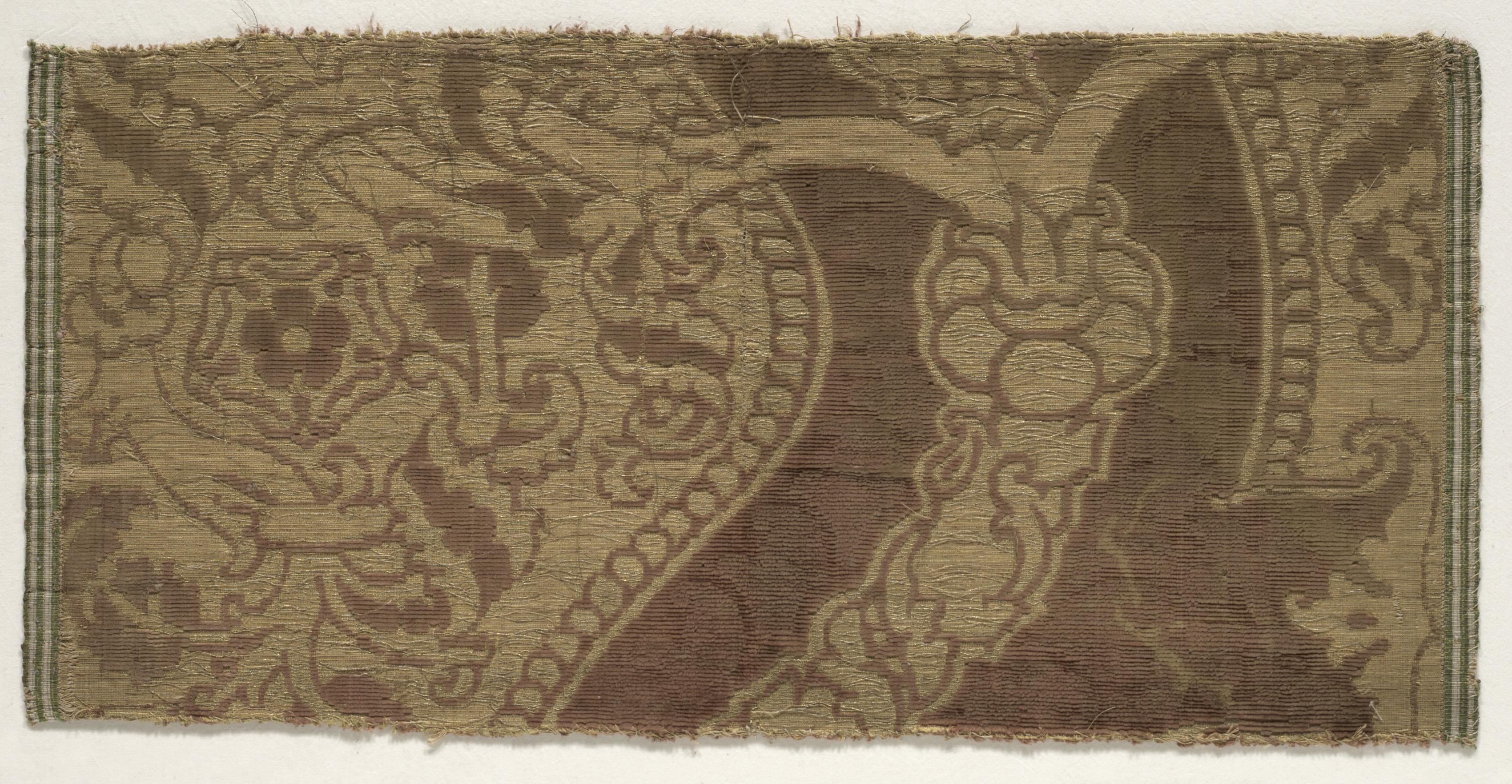
Deconstructing the New DNA Strand: A Technical and Artistic Analysis of Spanish Velvet
At Zoey Fashion Lab, our mandate extends beyond the mere observation of fabric; we engage in a forensic dialogue with textile DNA. The subject of this analysis—a velvet textile originating from Spain, woven with silk and metallic thread, and designated under the internal reference "New DNA Strand"—presents a compelling paradox. It is at once a relic of historic manufacturing prestige and a blueprint for a futuristic, avant-garde aesthetic. This report deconstructs the textile’s structural integrity, its chromatic behavior, and its potential for radical silhouette construction, positioning it as a pivotal material for next-generation couture.
I. Provenance and Material Hierarchy: The Spanish Legacy
The geographical origin of this velvet is not incidental; it is intrinsic to its molecular story. Spanish textile heritage, particularly from regions like Valencia and Catalonia, has long been synonymous with a specific type of high-twist, high-density weaving that prioritizes structural drape over surface flaccidity. Unlike the softer, more fluid Italian velvets, this Spanish iteration exhibits a rigorous tensile strength that allows for architectural manipulation. The base structure, likely a silk foundation, provides the necessary resilience to support the secondary weft of metallic thread. This is not a fabric that will acquiesce to the body; it is a material that demands the body negotiate with its volumetric presence.
The inclusion of metallic thread within the pile—rather than merely in the ground weave—is the first indicator of a "mutated" genetic code. Traditional velvets use metal in the background to create a shimmering void. Here, the metal is integrated into the raised loops, creating a surface that is not merely reflective but electrically reactive under directional light. The silk component provides the warmth and depth of color absorption, while the metallic element acts as a disruptive particle, scattering photons and creating a visual frequency that oscillates between liquid gold and shadowed graphite. This is not a static luxury; it is a kinetic, almost volatile, surface condition.
II. Structural Genetics: The "New DNA Strand" Phenomenon
The reference "New DNA Strand" is a misnomer in the sense that it suggests a biological softness. On the contrary, the technical construction of this velvet mimics the rigid, double-helix structure of a chromosome. The pile is not uniform; it is engineered with varying loop heights—some cropped, some left as uncut loops (terry), and others sheared at acute angles. This creates a topographical landscape that is neither flat nor purely sculptural. It is a three-dimensional data matrix where light is the reader, and the fabric is the encoded information.
From a deconstructionist perspective, the "strand" implies a break from the linear. Standard velvet drapes in a singular, gravitational flow. This textile, however, exhibits a memory of its own construction. When manipulated—folded, pleated, or crushed—it does not return to a neutral state. Instead, it holds a residual crease that acts as a new structural seam. This property is revolutionary for avant-garde design. It allows the designer to "write" a garment in situ, using the fabric’s metallic backbone to hold a permanent, origami-like fold. The silk provides the flex, but the metal provides the skeletal retention. The result is a fabric that can be self-supporting without internal interfacing, a critical asset for exaggerated shoulder lines, sculptural collars, and non-conformist silhouettes that defy the human form’s passive symmetry.
III. Chromatic and Tactile Duality
The visual identity of the "New DNA Strand" is defined by its schizophrenic tactility. To the touch, the silk base offers a cool, almost austere smoothness, while the metallic pile introduces a granular, slightly abrasive friction. This is not a comforting fabric. It is a confrontational textile that challenges the wearer’s sensory expectations. The color—likely a deep, oxidized bronze or a blackened silver—does not sit on the surface. Instead, it is a result of the metal’s oxidation interacting with the silk’s dye. This means the color is unstable, evolving over time with wear and environmental exposure. For an avant-garde collection, this instability is not a flaw; it is a narrative tool. The garment becomes a living document, changing its hue and reflectivity based on the wearer’s history.
Furthermore, the juxtaposition of metallic thread against silk creates a polarized light effect. When viewed from a direct angle, the fabric appears dense and opaque, absorbing light in its velvet pile. When viewed from a grazing angle, the metallic strands catch the light, creating a shimmering, almost holographic outline. This dual-phase visual is essential for performance wear or runway pieces where the garment must transform between static display and dynamic movement. The fabric does not simply move; it switches its visual state, from a matte, nocturnal texture to a brilliant, diurnal flash.
IV. Application in Avant-Garde Silhouette
Given its structural rigidity, the "New DNA Strand" is unsuitable for fluid, bias-cut draping. Instead, its future lies in deconstructive reconstruction. We propose utilizing this velvet for garments that explore the relationship between the exoskeleton and the epidermis. Consider a jacket where the sleeves are detached and re-attached via metallic grommets, allowing the fabric’s natural stiffness to create a floating, cantilevered effect. The velvet’s ability to hold a crease makes it ideal for sharp, angular lapels that cut through the air rather than lying flat.
Alternatively, the fabric can be used in a reverse-pile application, where the back of the velvet (the silk foundation) is exposed and treated as the primary surface, with the metallic pile used as a deliberate, raised "scar" or embroidery across the seams. This technique highlights the duality of the material—the soft, vulnerable silk versus the armored, metallic exterior. For a full avant-garde statement, we suggest a modular skirt constructed from rectangular panels of this velvet, hinged together with visible, industrial stitching. The metallic thread will catch the light at each step, creating a rhythmic, percussive visual beat that echoes the structural precision of the weave.
V. Conclusion: A Material for the Post-Human Wardrobe
The "New DNA Strand" velvet from Spain is not a mere textile; it is a technological proposition. It challenges the designer to abandon the pursuit of softness and embrace the logic of architecture. Its silk core offers a whisper of tradition, but its metallic skeleton screams of a future where clothing is not worn but inhabited. For Zoey Fashion Lab, this material represents the next step in our research into self-determining fabrics—textiles that possess their own will to shape. The avant-garde designer who masters this velvet will not be designing a dress; they will be engineering a space, a protective shell of light and shadow that redefines the human silhouette as a dynamic, structural entity. This is not fabric for the faint of heart; it is a strand of pure, unadulterated fashion DNA, ready to be spliced into a new species of garment.