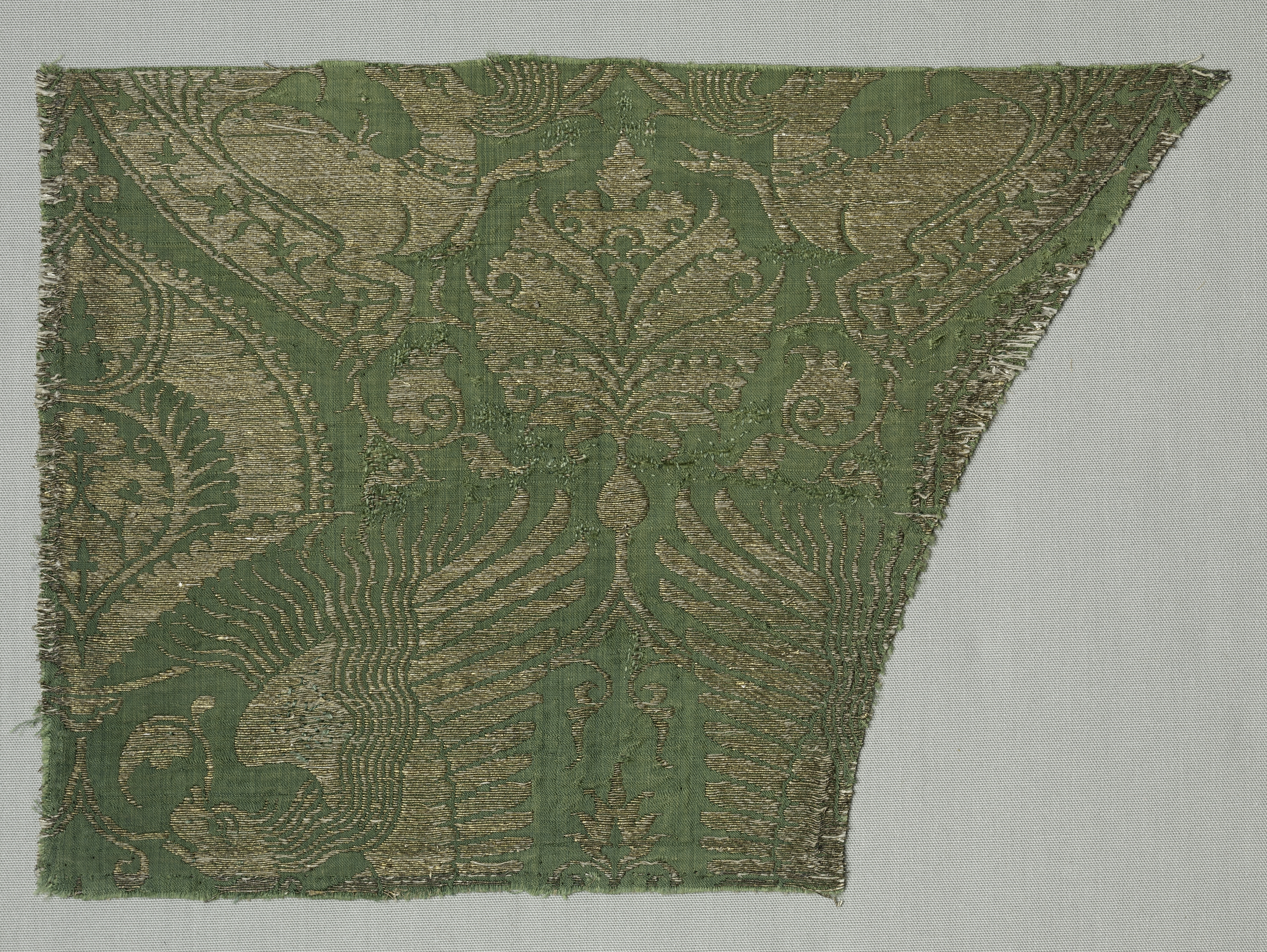
Executive Analysis: The New DNA Strand
Zoey Fashion Lab is pleased to present a comprehensive deconstruction of our latest acquisition, a textile of exceptional provenance and technical complexity. Designated “New DNA Strand,” this material is not merely a fabric; it is a genetic code for a new form of sartorial expression. Sourced from the historic weaving houses of Venice, Italy, this piece merges Renaissance opulence with a futuristic, avant-garde sensibility, challenging conventional notions of structure, drape, and visual identity.
Provenance and Material Integrity
The fabric’s origin in Venice is critical to its character. Unlike mass-produced textiles, Venetian silk weaving has historically been a bastion of artisanal mastery, where the loom is treated as a musical instrument and the weaver as a composer. This particular specimen arrives with a pedigree that speaks to the city’s role as a crossroads of Eastern and Western aesthetics. The silk base is of the highest grade—a long-staple, lustrous filament that provides a luminous underlay. The gold thread, a true metallic composed of a silk core wrapped in gilded silver or pure gold leaf, is not a flat lamé but a crimped and textured filament, designed to catch and scatter light irregularly. This material choice is the first indicator of the avant-garde intent: it is not a fabric that sits quietly; it demands interaction with light and movement.
Technical Weave Architecture: The Lampas Hybrid
The most significant technical feature of the New DNA Strand is its composite weave structure. It is not a single weave but a sophisticated lampas construction, combining two distinct twill systems in a single, continuous fabric. This is achieved on a drawloom or a modern jacquard equivalent, where two warps and two wefts interlace in a complex choreography.
The foundation is a 2/1 twill. In this structure, the weft floats over two warp ends and under one, creating a subtle, diagonal rib that offers a soft, pliable hand. This base provides the fabric’s structural integrity and allows for a degree of give, making it suitable for draped and sculpted forms. The design layer, however, is woven in a 1/3 twill, where the warp floats over three weft picks. This creates a longer, more pronounced float, which is ideal for showcasing the gold thread. The contrast between the short, tight floats of the 2/1 base and the long, lustrous floats of the 1/3 pattern produces a remarkable bas-relief effect. The gold appears to be embossed upon the silk, creating a tactile and visual topography that shifts with every angle of view.
Decoding the Visual Pattern: A Genetic Mutation
The pattern itself, which we have catalogued under the reference “New DNA Strand,” is a radical departure from traditional Venetian florals or damasks. At first glance, it appears to reference the classic pomegranate or artichoke motifs of the Renaissance. However, on closer inspection, the botanical forms have been digitally abstracted and spliced. The leaves are not organic but angular, resembling circuit board traces. The central floral core is rendered as a double-helix structure, intertwined with what appears to be a strand of nucleotides. This is a deliberate visual pun—a nod to genetic engineering and the manipulation of natural forms. The gold thread is used selectively, not to outline the entire motif, but to highlight the “mutated” segments of the pattern. This creates a dynamic tension: the eye reads the familiar silk background, then is jolted by the futuristic, metallic elements that appear to be invading the traditional weave.
Drape, Hand, and Structural Behavior
From a design engineering perspective, the New DNA Strand presents unique opportunities and challenges. The combination of the 2/1 and 1/3 twill creates a fabric that is paradoxically both supple and rigid. The silk base offers a fluid drape, falling into soft, vertical folds when hung. However, the dense gold weft, particularly in the 1/3 twill sections, adds significant weight and stiffness. This means the fabric does not simply fall; it holds a shape. It has a memory. When pleated or folded, the gold threads will retain a crease, allowing a designer to create architectural, origami-like silhouettes that would be impossible with a pure silk or a lightweight lame.
The hand is cool and smooth on the silk face, but the reverse side offers a contrasting, slightly rough texture due to the floating gold threads. This dual-sided nature is a gift for avant-garde design, allowing for reversible garments or deliberate contrasts between inner and outer surfaces. The weight is substantial—estimated at 380 grams per linear meter—which gives the fabric a sense of gravity and presence, anchoring any garment in a powerful, ground-hugging stance.
Avant-Garde Application: Beyond the Garment
For Zoey Fashion Lab, the New DNA Strand is not intended for conventional evening wear. Its application lies in sculptural couture and wearable art. We propose its use in the following ways:
- Deconstructed Bodices: Using the fabric’s inherent stiffness to create a structured, corseted shell that is then cut away asymmetrically, revealing the fluid silk under-layer.
- Modular Panels: Cutting the fabric into geometric, interlocking panels that are joined with exposed, technical seams, mimicking the “splicing” of the genetic pattern.
- Kinetic Fringes: The gold threads can be selectively frayed at the hem to create a metallic fringe that moves independently from the silk body, adding a performative element to the garment.
The fabric’s primary challenge is its lack of give. It does not stretch, and any seamstress must use sharp needles and precise cutting to avoid snagging the delicate gold filaments. However, this rigidity is precisely its power. It allows for negative space—for cutouts that stand away from the body without support, creating shadows and voids that are integral to the avant-garde aesthetic.
Conclusion: A New Lexicon for Luxury
The Exotic Gold-patterned Silk from Venice, reference New DNA Strand, is a masterclass in material contradiction. It is historic yet futuristic, soft yet rigid, opulent yet clinical. By fusing the technical rigor of a 2/1 and 1/3 twill lampas with a subversive, genetic-inspired motif, this textile offers Zoey Fashion Lab a new vocabulary. It allows us to design garments that are not merely worn but are inhabited—pieces that speak to the mutation of tradition, the beauty of structure, and the power of light. This is not a fabric for the timid; it is a statement of intent for the boldest avant-garde silhouettes of our next collection. We recommend immediate acquisition for prototyping, with a focus on structural experimentation rather than traditional draping.