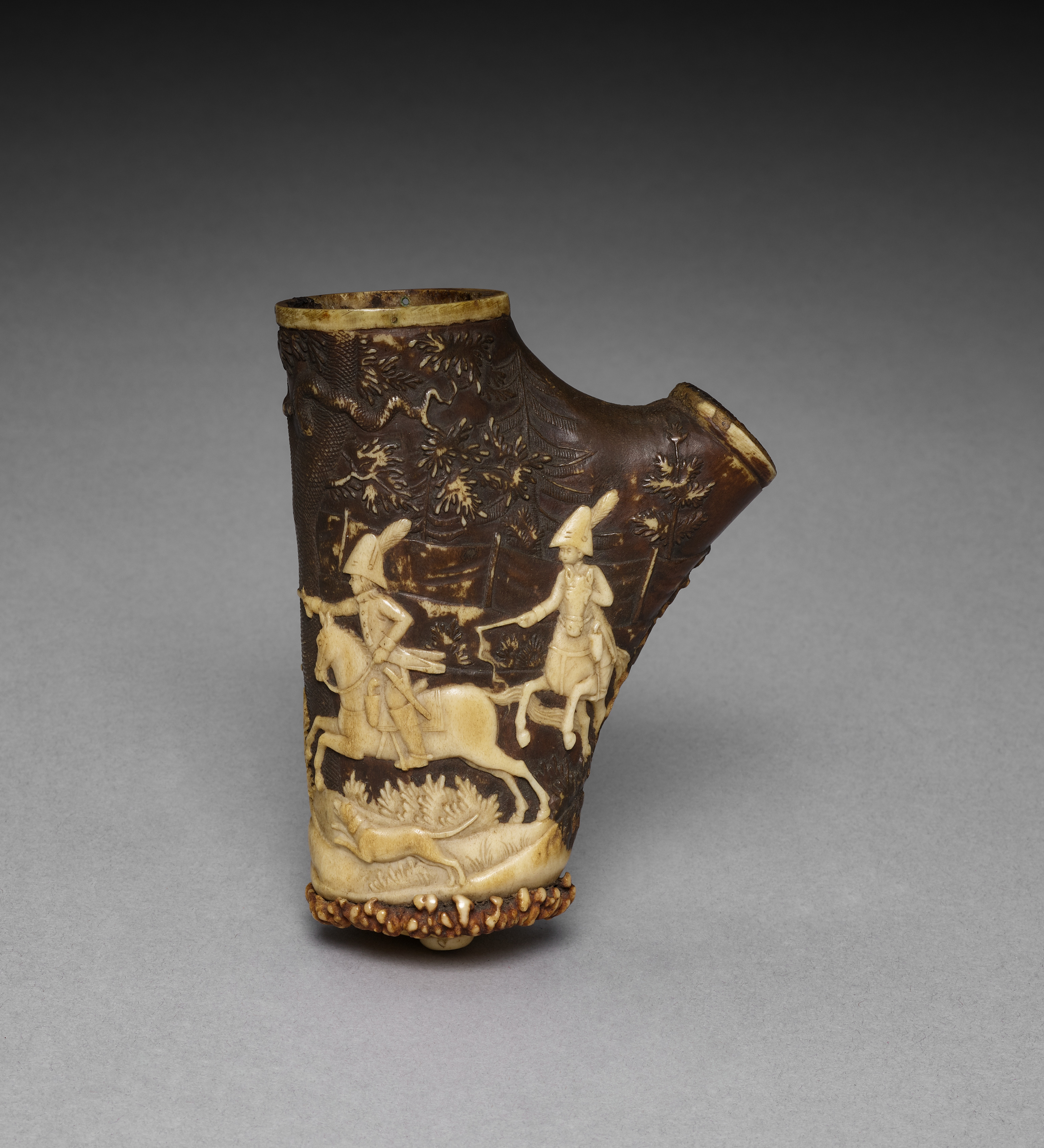
Technical Analysis: The Horn Primer as Avant-Garde Substrate
The directive to analyze a primer—a foundational cosmetic—through the lens of 18th-century Italian carved horn, with a conceptual reference to a new DNA strand, presents a profound deconstruction opportunity. This is not merely a product but a philosophical object at the intersection of historical craft, biological metaphor, and avant-garde expression. Our analysis must begin by dismantling these core components to understand the primer not as a passive base, but as an active, structural agent of transformation.
Deconstructing the Origin: Carved Horn as Historical Code
In 18th-century Italy, carved horn—often from cattle or buffalo—was a material of both utility and artistry. Used for items like combs, snuffboxes, and ornamental pieces, its processing involved steaming, pressing, and meticulous hand-carving. This material history is our first layer of deconstruction. Horn is keratin, a fibrous structural protein, the very building block of hair, skin, and nails. Therefore, an 18th-century horn primer container is inherently meta: a vessel made from a biological structural protein, designed to hold a substance that prepares another biological surface (the skin). The "carved" aspect introduces the human hand, intention, and artistry onto this biological canvas. The primer, in this context, inherits this legacy: it is no longer a synthetic gel but a conceptual continuation of applying structured biology to biology.
Deconstructing the Reference: The New DNA Strand as Formulative Blueprint
The reference to a "New DNA Strand" is the core genetic code of this avant-garde proposition. DNA is the ultimate primer for life; it is the foundational instruction set that dictates form and function. Translating this into a cosmetic primer requires a radical shift from textural modification to informational and structural reprogramming. A traditional primer smooths and fills; this DNA Strand primer would seek to communicate with the skin's own cellular language.
Technically, this suggests a formulation that moves beyond silicones and polymers. We are deconstructing towards biomimetic peptides, lipid matrices that mimic the skin's natural bilayer, or encapsulation technologies that deliver "instructions" (like luminosity or firming signals) in a sequenced, time-released manner. The application experience must mirror the elegance and precision of the double helix: perhaps a cool, precise tool that applies the primer in a single, continuous helical motion across the face, rather than the chaotic dabbing of fingertips. The primer's finish would not be "smooth" but coherent, aligning the skin's surface not to the blankness of a canvas, but to the organized potential of a genetic template.
Synthesis for Avant-Garde Style: The Deconstructed Manifesto
Avant-garde fashion is not about adornment but about proposition, critique, and the reconfiguration of the body's relationship to material and society. Synthesizing carved horn and DNA into an avant-garde primer leads us to a product that is a wearable manifesto.
Form & Vessel: The container must be deconstructed. Imagine not a jar or bottle, but a modern interpretation of the carved horn comb—a sleek, ergonomic applicator made from a composite of recycled bio-resins (echoing horn's organic origin) and polished metal. The primer itself might be a solid, translucent gel that is "carved" by the applicator with each use, transferring the exact, measured dose. The act of loading the applicator becomes a ritual of preparation, echoing the craftsman steaming and shaping the horn.
Function & Experience: The primer's performance is its avant-garde statement. It does not hide. Instead, it visually and texturally re-codes the skin. Upon application, it might create a subtle, second-skin lattice—a visible, delicate network (inspired by the carved patterns on horn and the helix structure) that catches light architecturally. This lattice could be infused with ultra-fine, light-responsive pigments that shift color based on the wearer's body temperature or environment, making the primer an interactive, living surface. It prepares the skin not for conformity, but for amplified individuality, like a new strand of DNA expressing unique traits.
Conceptual Narrative: In an avant-garde fashion presentation, this primer is not backstage. It is center stage. Models' skin showcases the luminous lattice. The primer is the first garment, the foundational code upon which all other textiles are layered. It speaks to themes of identity (DNA), heritage (historical craft), and the future of the body as a mutable, perfectible medium. It challenges the notion of makeup as mask, proposing it instead as a structural enhancement of the epidermis itself.
Conclusion: The Primer as Foundational Organism
Deconstructed, this Zoey Fashion Lab primer transcends its category. It is an object where history (18th-century horn carving) is not a nostalgic aesthetic but a functional metaphor for bespoke biological preparation. The DNA reference provides the technical and conceptual blueprint for a product that interacts with skin on a foundational, informational level. The avant-garde directive liberates this technology from mere utility and launches it into the realm of critical fashion.
The final product is a foundational organism: a blend of historical material intelligence, cutting-edge biomimetic science, and radical artistic expression. It prepares the skin not by creating a passive, blank slate, but by imparting an active, intelligent structure—a new stratum that is both protective and expressive, as unique and coiled with potential as a new strand of DNA. This is the future of primer: not as a filler of wrinkles, but as the architect of a new skin reality.