Technical Deconstruction: The Diasper Weave as Genomic Blueprint
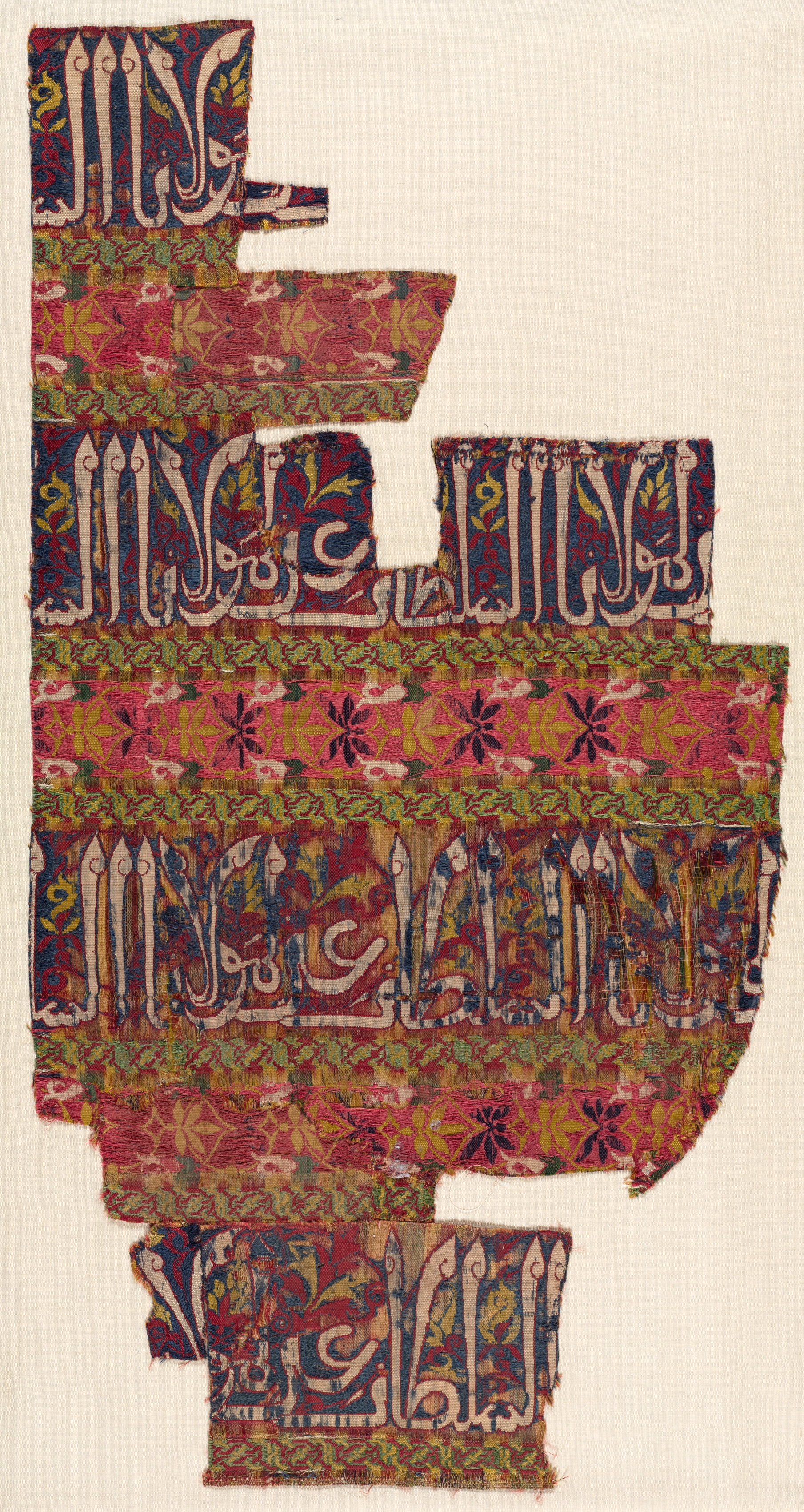
The provided silk fragment is not merely a textile; it is a historical palimpsest encoded in thread. Its diasper weave—a derivative of the more common damask—is our primary forensic clue. Characterized by a reversible pattern created by a contrast of warp-faced and weft-faced areas, diasper relies on a sophisticated loom setup and precise, mathematical threading. This technical sophistication speaks to a highly developed, specialized textile industry. The pattern, though likely geometric or vegetal due to the period's aniconic tendencies, would have been rendered with a clarity that only this weave structure can achieve. For Zoey Fashion Lab, this is not outdated technology; it is elegant code. The binary of warp-over-weft and weft-over-warp mirrors the binary base pairs of a DNA strand. We will deconstruct this logic, not to replicate the pattern, but to extract its algorithmic principle.
Conceptual Synthesis: From Al-Andalus to the Avant-Garde
The fragment's origin in Islamic-period Spain (Al-Andalus) is a catalyst of immense creative potential. This was a nexus of cultural and scientific exchange, where mathematics, botany, and artistry converged. The textile itself is a physical manifestation of this hybridity: Chinese silk, transformed by Near Eastern weaving expertise, under a Spanish sky. The "New DNA Strand" reference is our conceptual bridge. We propose treating this historical artifact as a genetic source material. Its "DNA" comprises several strands: the technical strand (the diasper algorithm), the cultural strand (the hybrid identity of Al-Andalus), and the material strand (the inherent properties of silk).
Our avant-garde approach lies in mutating and splicing these strands. We will not create "Moorish revival" pieces. Instead, we will use the diasper's structural logic to engineer new textiles. Imagine a fabric where the binary weave code is manipulated by data sets from contemporary genetic sequences or digital communication streams. The pattern becomes a visualization of information—a personal or cultural genome rendered in cloth. The silk's origin reminds us that identity is layered and recombinant; our designs will reflect a modern, multifaceted self, built from visible and invisible histories.
Material & Form Proposal: Recombinant Silks and Bio-Morphic Architecture
Material Innovation: Engineered Chimeras
Honoring the material supremacy of silk is paramount, but our avant-garde mandate demands evolution. We propose a material hybridization program:
1. Silk-Metal Polymer Hybrids: Embedding ultra-fine, flexible metallic threads (or conductive polymers) into the diasper weave structure. This creates fabrics that can interact with light, sound, or data—a literal fusion of ancient luxury and modern interface. The fabric itself becomes a responsive surface.
2. Bio-Assembled Color: Moving beyond traditional dyes, we investigate color derived from microbial pigments or structural color techniques inspired by iridescent insect wings. This references the naturalistic motifs of the original fragment while achieving otherworldly, shifting hues that change with perspective and light, much like the fragment's own appearance would have shifted for a viewer in motion.
3. Recombinant Weaves: Using the diasper as a base "grammar," we introduce unexpected, contrasting materials into the weave matrix—such as recycled thermoplastic filaments or strands of alginate bio-yarn. This creates textural and performative dissonance within a historically coherent structure.
Form Language: Architectural Draping and Molecular Geometry
The form language arising from this analysis must echo the fragment's conceptual roots. Geometric order meets organic fluidity.
Silhouette: Garments will explore biomorphic architecture. Think of protein folds or cellular structures translated into cutting patterns. Volumes will be precise yet fluid, constructed from complex geometric panels that, when assembled, create unexpected, sculptural drapes around the body. The integrity of the woven "code" will be respected in the garment's construction, with seams following the logic of the weave's pattern lines.
Detail & Finish: Fastenings and details will be conceived as functional mutations. Closures may resemble enzyme-substrate binding sites or cryptographic interfaces. Hems and edges may be laser-sintered to prevent fraying, creating a crisp, "digital" finish against the organic silk, or left with raw, deconstructed selvedges that reference the fragment's own fragmented state, acknowledging the passage of time.
Final Collection Vision: "Al-Andalus 2.1: The Recombinant Genome"
This analysis culminates in a proposed capsule collection that positions Zoey Fashion Lab at the intersection of deep historical scholarship and radical innovation. The collection narrates a story of cultural and technical transmission.
Each piece will be a dialogue between the ancient and the algorithmic. A gown may feature a bodice woven with a diasper pattern generated from a digital scan of the original fragment's weave, while the skirt blossoms into a voluminous, irregular shape from a hybrid silk-polymer. A tailored coat might present a stark, architectural silhouette from the front, but its back is a cascading "data stream" of spliced materials and encoded patterns. The color palette will move from the earthy, mineral, and vegetal tones of historical Iberia (ochres, indigos, madder reds) into zones of bioluminescent blues, metallic chromes, and transparent overlays.
The silk fragment from Islamic Spain is our primer. It is the initial sequence from which we will amplify a new fashion genome. By deconstructing its technical DNA and splicing it with contemporary materials and concepts, we create an avant-garde language that is intellectually rigorous, materially innovative, and profoundly relevant. It is fashion not as revival, but as evolutionary design, proving that the most forward-looking visions are often woven from the deepest threads of the past.