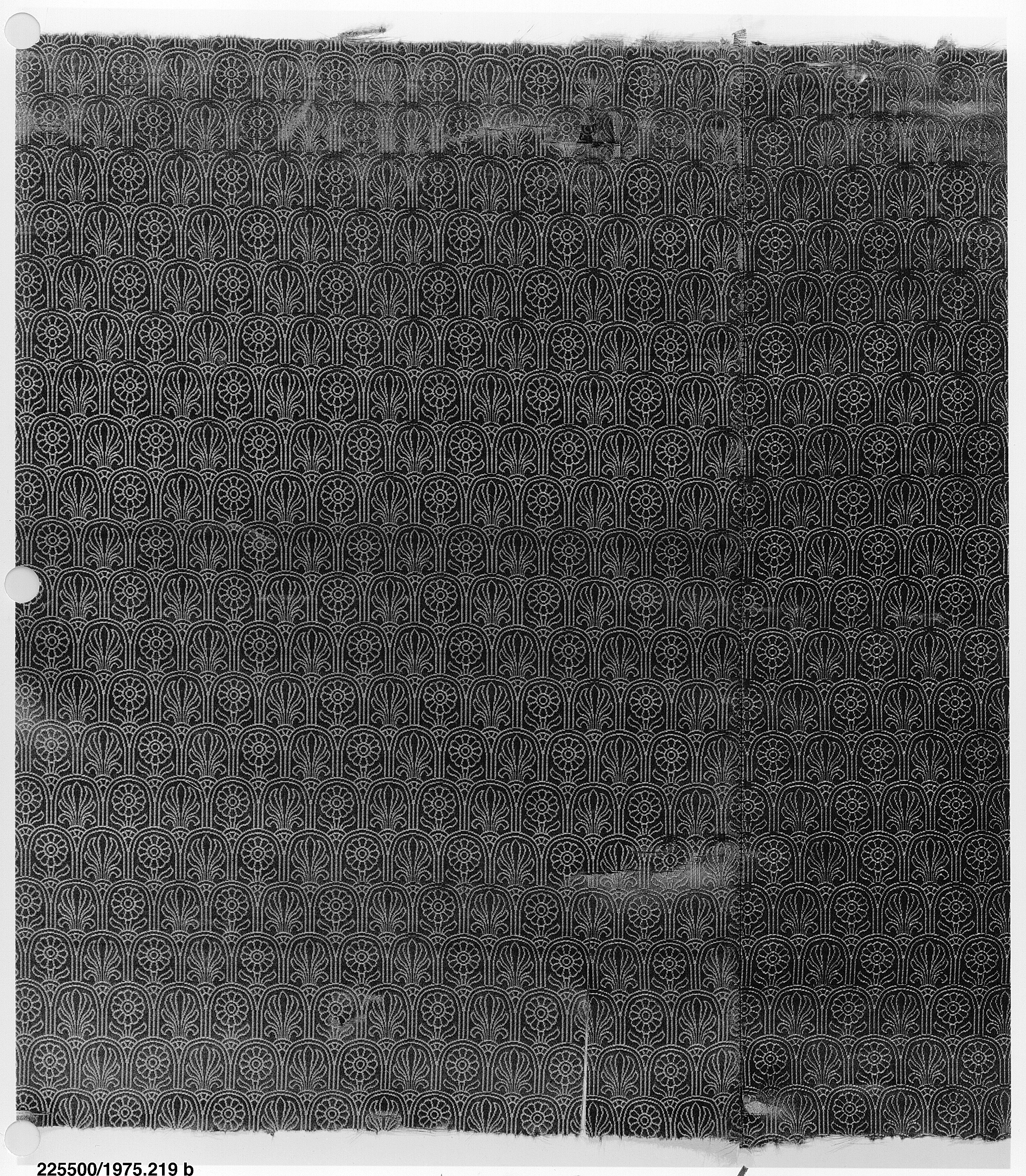
Deconstructing the Domestic: The Settee as Sartorial Genesis
The mandate is explicit: to transmute the upholstery of a settee—an object of repose, domesticity, and structured comfort—into the progenitor of a standalone avant-garde study for SS26. For Zoey Fashion Laboratory, this is not a mere exercise in material sourcing but a profound philosophical interrogation. We begin not with a blank slate, but with a pre-loaded narrative: the history of sitting, of conversation, of private life etched into the very weave of the fabric. Our origin, the "Global Frontier," is not a place but a mindset—a liminal space where traditional categories of interior/exterior, private/public, soft/hard dissolve. In this analysis, we delineate the strategic deconstruction and radical reconstruction of the domestic into a wearable architecture of future-being, utilizing silk not as a mere textile, but as a structural protagonist.
Material Alchemy: Structural Silk and the Memory of Padding
The foundational paradox is our material: silk. Traditionally signifying luxury, fluidity, and delicacy, we subvert its ontology by forcing it to perform the architectural duties of upholstery. This is not the silk of languid draping. This is engineered, multi-ply silk gazar fused with biodegradable shape-memory polymers, creating a textile with a muscular, volumetric memory. It recalls the form of the settee's padding—the curve of an armrest, the rigid right angle of a frame—but translates it onto the human corpus. The inherent "stuffing" is not removed but conceptually replicated through techniques like trapunto quilting executed with surgical-grade ultrasonic welding, creating internal, garment-based voids and protrusions. The silk becomes a shell, a exoskeletal soft architecture that challenges the body's relationship to enclosed space. The finish may retain the subtle sheen of brocade or the worn texture of velour, but its behavior is futuristic: rigid where expected to yield, and expansively fluid where tradition demands constraint.
Silhouette as Spatial Intervention: The Volumetric Canon
The SS26 silhouette derived from this study rejects the ephemeral for the enduring, the fleeting for the architectural. We propose three core silhouette families, each a standalone spatial intervention:
The Cantilevered Sphere: Inspired by the rounded, enveloping back of a Chesterfield, this silhouette abstracts the cocooning principle. A vast, spherical form extends from the shoulders, constructed from interlocking panels of our structural silk. It is not a cape, but a wearable room, its curvature calculated using parametric design software to create self-supporting, gravity-defying volume that leaves the front of the body starkly exposed—a dialogue between shelter and exposure, between the public self and the private sanctuary carried on one's back.
The Deconstructed Chaise Longue: Here, the elongated, reclining form of the settee is fragmented and reconfigured along the body's axis. Asymmetric tiers erupt from a hip, cascading in rigid, pleated falls that mimic folded-back upholstery. A single, exaggerated leg-of-mutton sleeve references a rolled arm, its volume inflated with technical tulle, while the opposite shoulder is sharply tailored, bare. This silhouette walks the line between dynamic imbalance and calculated poise, a garment in perpetual motion towards repose.
The Framed Exoskeleton: This is the most literal architectural translation. The hidden wooden frame of the settee is reimagined as an external cage of silk-treated, lightweight carbon fiber rods, fused directly onto a minimal silk bodysuit. The rods trace the lines of imagined furniture—a backrest here, a seat platform there—creating a negative space mapping of the domestic object onto the positive space of the body. The wearer becomes both the occupant and the architecture itself, a walking blueprint of deconstructed comfort.
Contextual Synthesis: The Standalone Study as Manifesto
As a standalone study, this collection exists outside seasonal commercial narratives. It is a pure research and development manifesto for Zoey Fashion Laboratory. Each piece is a wearable hypothesis questioning fashion's fundamental premises: What is support? What is structure? Where does the environment end and the garment begin? By sourcing our inspiration from the Global Frontier—a conceptual territory free from geographic or cultural specificity—we ensure the output speaks a nascent, universal language of form. The settee's upholstery is merely our Rosetta Stone; the translated text is one of future human embodiment.
The innovation lies not in novelty for its own sake, but in the rigorous application of a deconstructive logic. We have taken an artifact of rooted domesticity and launched it into a sartorial orbit, creating garments that are less about clothing the body and more about proposing new interfaces between the individual and space. For SS26 and beyond, this study establishes a new material and silhouette lexicon: one where silk has tensile strength, where volume creates intimacy, and where the ghost of a forgotten settee informs the architecture of the future self. This is not fashion as decoration. This is fashion as speculative design, engineering the dialogue between skin, shelter, and society.