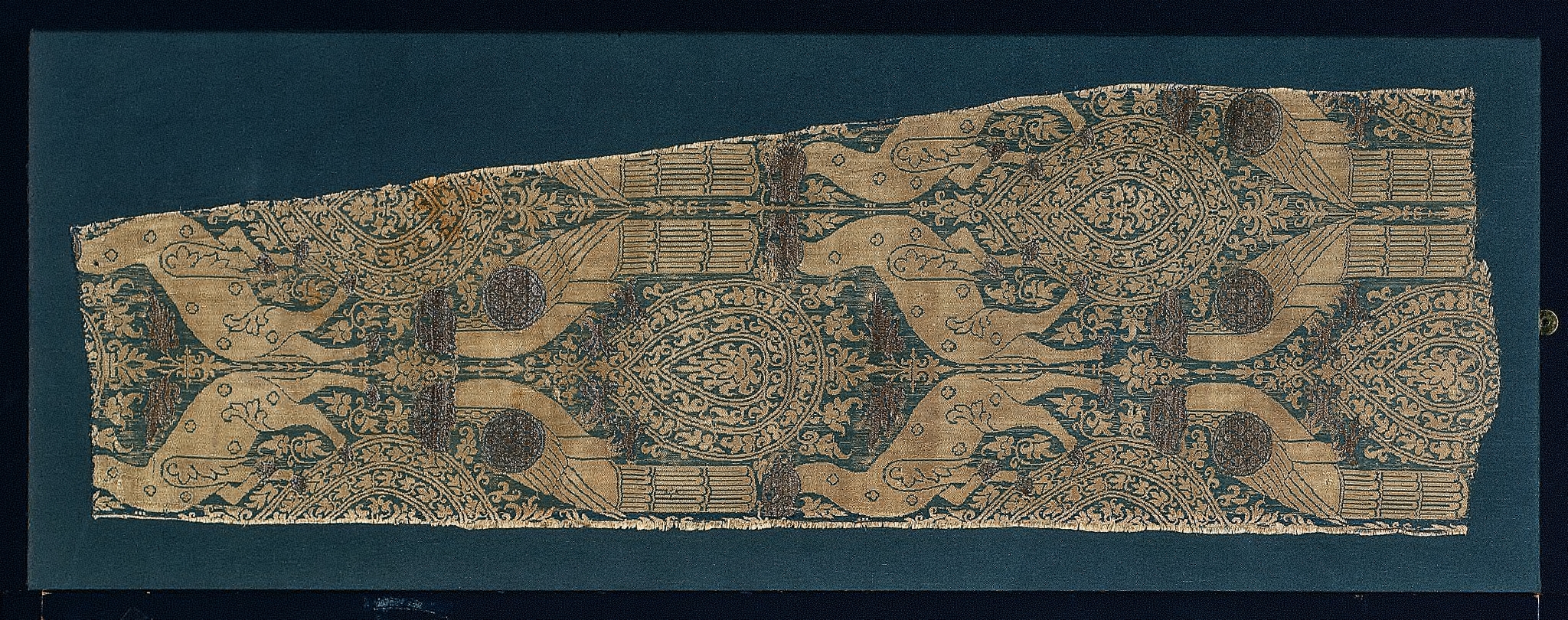
Executive Analysis: The Zoey Fashion Lab "Genoma" Collection
This analysis presents the deconstruction and strategic vision for a proposed avant-garde collection, codenamed "Genoma". The concept synthesizes the assigned parameters—Parrots/Animals (Italy), silk/gold thread lampas, and a DNA strand reference—into a cohesive, disruptive fashion narrative. The objective is to move beyond literal representation, leveraging technical textile innovation to embody a profound statement on nature, heritage, and bio-inspired futurism.
Conceptual Origin: The Italian Bestiary Re-sequenced
The directive "Parrots and Animals. Origin: Italy" is not an invitation to pastoral prints. Instead, we mine the deep iconography of the Italian Renaissance bestiary—a world where animals symbolized virtues, vices, and cosmic order. Parrots, specifically, were exotic treasures in Medici courts, symbols of eloquence, luxury, and the far-reaching reach of trade. They represented nature as curated artifice.
"Genoma" re-contextualizes this. We view the parrot not as a static symbol, but as a biological marvel—a living organism whose very brilliance is coded in its DNA. The "Italian" element is thus translated from historical motif to hereditary code. It is the DNA of Italian artistry, of Venetian silk trade routes, of Florentine opulence, intertwined with the biological DNA of the natural world it once sought to categorize. The collection asks: What is the genetic sequence of beauty, of extravagance, of hybridity?
Technical Deconstruction: The Lampas Double-Helix
The specified use of silk and gold thread in a lampas weave is the foundational genius of this concept. Lampas, a complex weave combining a ground weave and a pattern weave, is inherently about duality and layered structure. This is our textile analogue for the double helix.
Our proposed construction deconstructs lampas protocol to manifest the DNA reference:
Weave One (The Structural Backbone): A dense, matte silk ground in deep, resonant colors—indigo, hematite, forest floor. This represents the foundational "sugar-phosphate backbone" of the DNA strand. Its texture will be finely ribbed, suggesting molecular continuity.
Weave Two (The Base Pairs): Here, the gold thread and brilliantly dyed silks are deployed. Instead of traditional floral or heraldic patterns, the supplementary weft will create abstract, ladder-like sequences and X-shaped chromatid clusters. The "parrot" color—vibrant emerald, shocking scarlet, sunbeam yellow—appears not as a feather, but as a genetic expression erupting from the darker ground. A flash of gold thread becomes a protein bond. The two weaves are inseparable, interdependent, telling a complete story only when combined—precisely like the two strands of a helix.
Avant-Garde Silhouette & Style: The Organic Architecture
Avant-garde here is not mere shock, but a logical extrapolation of the textile's narrative. Silhouettes will oscillate between the strictly coded and the mutation.
Structured Encoding:
Garments that mirror the double helix's elegant torsion: spiral-seamed dresses, jackets with helical winding closures. Tailoring will be precise, referencing the laboratory and the archive simultaneously. Seams are exposed like schematic diagrams, piped with a flash of gold.
Expressionist Mutation:
Here, the "genetic code" is expressed fully. Asymmetric hems mimic chromatid separation. "Puffed" sleeves or bodices, created through complex darting and internal structure, suggest the transcription of genetic information into three-dimensional form—a feather's iridescence translated not as surface pattern, but as volumetric, structural color. Fabrics may be selectively finished—some areas of the lampas left raw-fringed, representing incomplete sequences or evolutionary fraying.
The Complete "Genoma" Vision: A New Taxonomy
The "Genoma" collection proposes a radical synthesis. It is a dialogue between:
Past & Future: The most historically revered textile technique (lampas) is tasked with expressing the most fundamental discovery of modern science (DNA).
Nature & Craft: The organic brilliance of a parrot is demystified into a code, then re-mystified through human artistry in silk and gold.
Italy & The World: The collection roots itself in a specific cultural heritage (Italian silk, Renaissance symbolism) to discuss a universal language (genetics).
Final garments will be presented as specimens in a new taxonomy. Imagine a coat where the lampas, from a distance, appears as a rich, textural solid. Upon closer inspection, the viewer deciphers the genetic "code" woven into its surface. A gown's train may feature a long, gradual "sequence" that tells a story of color transformation, from deep base tones to explosive expression, mirroring protein synthesis.
This is avant-garde because it uses fashion's most traditional luxuries to question the very nature of creation and origin. It posits that the DNA of Italian fashion is not merely in its archives, but in its capacity for hybridization, structural intelligence, and coded beauty. "Genoma" does not depict a parrot; it proposes that the parrot, the silk, the gold, and the artisan all operate on a principle of exquisite, patterned instruction. We are not making clothes about animals; we are engineering wearable theories about the fabric of life itself.