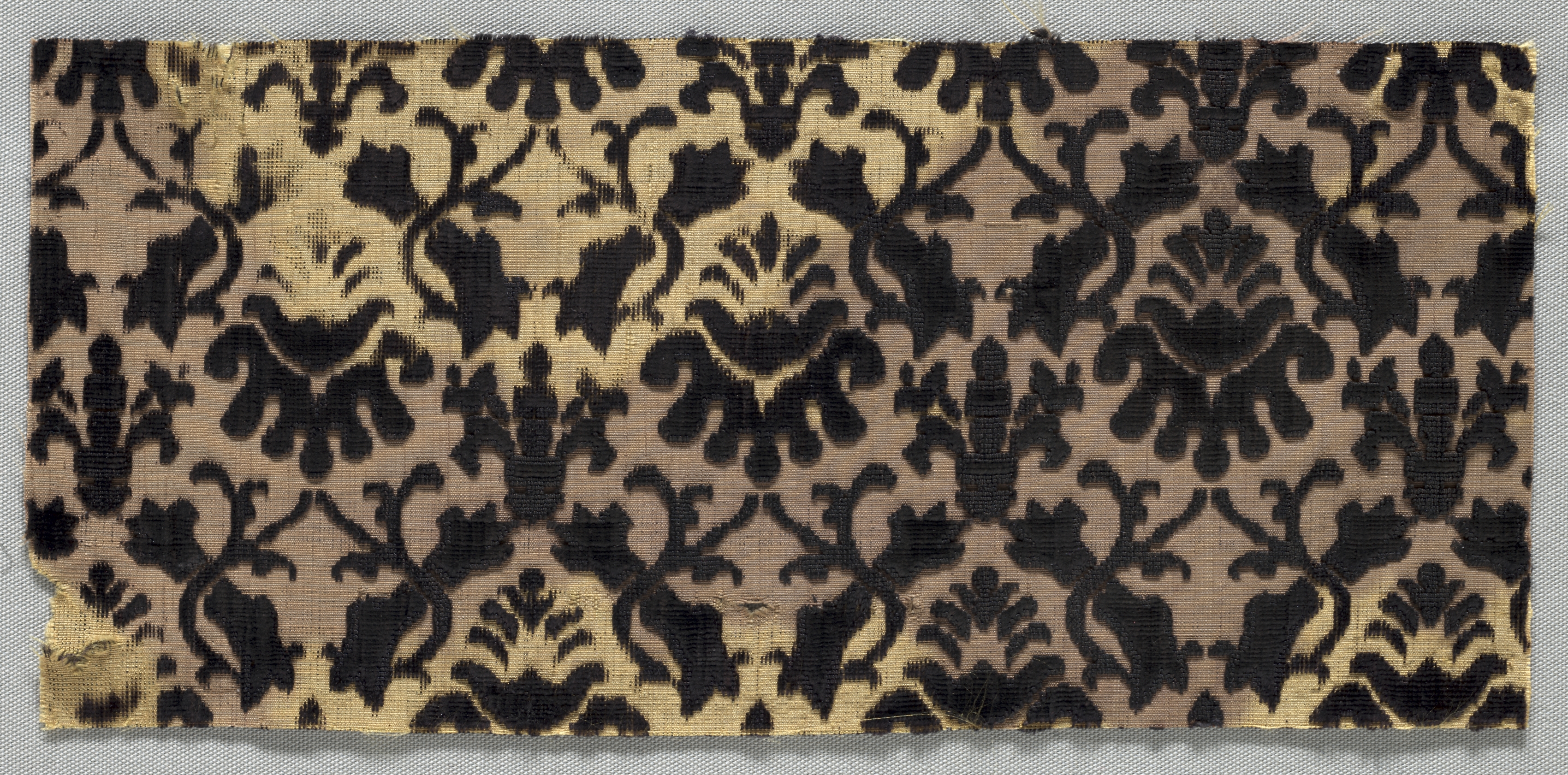
Technical Deconstruction: The Velvet Genome
Velvet, at its core, is a structural paradox. It is not a fiber but a construction, a textile built on a foundation of tension and release. The traditional method involves weaving two layers of fabric simultaneously on a special loom, binding them together with an extra set of warp threads. The "pile" – the luxurious surface we associate with velvet – is created by cutting these connecting threads, releasing the tension and allowing the fibers to stand erect. This act of creation through destruction is the first clue to its new DNA. For Zoey Fashion Lab, we re-sequence this genome. Imagine the pile not as cut threads, but as nucleotides in a double helix. Each tiny, upright filament is a base pair; its density, height, and twist code for specific aesthetic and tactile information – a plush, dense pile translates to a recessive gene for opulence, while a sharply sheared, low-nap surface expresses a dominant gene for modernity. Our technical innovation lies in manipulating this genetic code: engineering pile with variable heights within a single weave to create topographic, liquid-like patterns, or using piezoelectric fibers in the pile that change orientation (and thus color and texture) in response to body heat or movement, making the garment a living, responsive organism.
Historical Strand: Baroque Codex & Subversive Inheritance
Velvet's origin in 17th-century Italy is its historical genotype. In the courts of the Medici and the Vatican, velvet was a manifest of power, wealth, and divine right. Its light-absorbing depth and light-reflecting sheen mirrored the chiaroscuro of Caravaggio paintings—a fabric of dramatic contrast and theatricality. This Baroque codex is rich with data for our avant-garde expression. However, Zoey Fashion Lab does not replicate the genotype; we activate its latent, subversive alleles. The opulence of the past is not a template for reproduction but a library for deconstruction. We interrogate the very notion of "preciousness" inherent in historical velvet. What if the "precious" element is not the silk fiber, but embedded data? What if the weight of a king's robe is translated into the weight of personal memory? We can imprint velvet with micro-layers that archive sound or thermal data, creating a garment that is a living historical document of its own wear. The Baroque excess is thus not mimicked in embellishment, but in information density, creating a contemporary opulence of experience rather than mere display.
Avant-Garde Expression: Mutagenic Applications
The directive for an avant-garde style demands we induce controlled mutations in the velvet genome. This is where our "New DNA Strand" reference moves from metaphor to methodology.
Morphological Mutations
We challenge velvet's fundamental morphology. Can velvet be transparent? Can it be structural? By 3D-knitting or laser-sintering pile onto technical meshes or bio-polymer substrates, we create velvet with engineered voids, transforming it from a continuous surface to a porous, architectural lattice. This "lace velvet" or "scaffold velvet" retains the tactile signature but subverts its traditional substance and silhouette, allowing for garments that play with revelation and concealment in a wholly new way.
Chromosomal Translocations
We cross-breed velvet's genetic code with non-textile materials. Imagine velvet where the pile is formed from spun glass, carbon fiber, or flexible photovoltaic filaments. This creates a sensory dissonance—the brain expects softness but encounters a brittle, luminous, or energy-harvesting surface. A gown that appears as a classic, inky black velvet from one angle transforms into a field of glistening crystalline spikes in motion, or one that passively charges a wearable device through its own textured surface.
Epigenetic Responsiveness
Here, the garment's "phenotype" (its expressed appearance) changes in response to environmental stimuli—the epigenetic layer of our new DNA. Using advanced finishing techniques and smart materials, we develop velvet that alters its pile alignment, color, or even porosity based on atmospheric conditions. A coat could present a smooth, reflective surface in dry, cold weather (sealing in heat) and transition to a more open, moisture-wicking matte surface in humidity. The fabric no longer has a single, fixed identity; it possesses a responsive intelligence, blurring the line between textile and interface.
Conclusion: The Recombinant Fabric
For Zoey Fashion Lab, 17th-century Italian velvet is not a relic but a progenitor. Its technical construction provides the double-helix framework. Its historical context provides the rich, complex base pairs of meaning—power, drama, sensuality. Our avant-garde mission is to splice this ancient DNA with the genetic material of the future: biotechnology, data science, and radical sustainability. The resultant recombinant fabric is a new life form in the textile ecosystem. It carries the memory of palazzos and candlelight in its digital core, expressing itself through mutable forms and interactive potentials. This analysis posits velvet not as a mere material, but as a programmable substrate, where the pile is the interface and the weave is the operating system. Our task is to write the code for the next era of emotional and experiential dress, where depth is not just visual, but algorithmic, and luxury is defined not by static ornament, but by dynamic, intelligent becoming.