Deconstructing the Frontier: A Study in Architectural Absence
The mandate for the SS26 collection is not one of addition, but of strategic, radical subtraction. Strip is not a theme; it is a methodological incision into the very ontology of the garment. Originating from the conceptual Global Frontier—a non-place denoting the liminal space between the digital ether and the post-anthropocene landscape—this collection interrogates the relationship between body, shelter, and exposure. The frontier is not a geographical location to be conquered, but a psychological and structural parameter to be dissolved. Here, the traditional couture ethos of coverage and opulence is systematically dismantled, replaced by a philosophy where the architecture of the garment is defined as much by what is removed as by what remains. The Cutwork materiality is not mere embellishment; it is the foundational lexicon, a technique elevated to the status of structural engineering.
The Silhouette as Skeletal Cartography
The futuristic silhouette in Strip rejects the organic flow of previous seasons. Instead, it embraces a exoskeletal rigidity, mapping the body not as a form to be draped, but as a scaffold upon which to project new spatial possibilities. Garments begin with the classic codes of tailoring—the sharp shoulder, the defined waist, the columnar skirt—only to subject them to a process of calculated erosion. A double-breasted blazer is stripped of its central panel, leaving only the outer shell and lapels, which cantilever away from the sternum, creating a floating aperture that frames the torso. A column gown is not merely slit; its entire flank is removed, replaced by a geometric web of tensile threads that trace the body's topography like a topographic survey, creating a silhouette that is simultaneously present and ghostly.
This is negative-space couture. The body becomes a partner in the architectural expression, its revealed portions as critical to the silhouette as the constructed elements. The innovation lies in the engineering of these "stripped" sections. Using advanced laser-sintering and ultrasonic cutting techniques on technically evolved fabrics—cured silks that hold a blade-edge, recycled polymers woven into rigid yet lightweight meshes—the Cutwork achieves a precision that avoids any suggestion of deconstruction as decay. Each removal is a deliberate act of creation, resulting in silhouettes that appear as if grown from a digital algorithm, where load-bearing paths are optimized and non-essential material is eliminated. The result is a collection of garments that feel both primordial and hyper-evolved, like the fossilized remains of a future species.
Material Intelligence: The Cutwork as Structural System
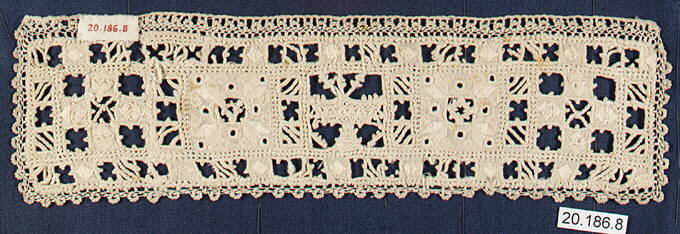
To view Cutwork as "lace" or "perforation" is to misunderstand its revolutionary application. In Strip, the cut is the structure. We have developed a proprietary mono-material framework where a single, dense textile is selectively dissected to create zones of varying density, transparency, and flexibility. A single piece of architecturally molded vegan leather, for instance, might feature a solid, rigid collar that gradually devolves into a complex hexagonal honeycomb across the bodice, before reforming into a solid panel at the hem. The cutwork here performs a dual function: it provides ventilation and malleability where needed, while the remaining web-like matrix maintains the garment's integrity and shape.
The true avant-garde leap is in the load-bearing cut. Inspired by tension-based bridge design and bone trabeculae, patterns are engineered so that the remaining strands of material following a laser-cut pathway are oriented to bear specific stresses. A strap is not sewn on; it is an uninterrupted, thickened continuation of the cutwork web, emerging organically from the garment's field. This creates a seamless, startling visual where support and absence are indivisible. Embellishment, in the traditional sense, is obsolete. The only adornment is the shadow play cast by these intricate apertures upon the skin beneath, a dynamic, living pattern that changes with movement and light.
Contextualization: The Standalone Study and the SS26 Dialectic
As a Standalone avant-garde study, Strip exists in a deliberate vacuum, free from the commercial dialectic of a full collection. This allows for a purer, more uncompromising exploration of its core thesis. It is a laboratory report on the future of form. However, its implications for the wider SS26 narrative are profound. It establishes a new vocabulary of reduction and architectural honesty that will inevitably permeate more accessible iterations. The principles of exoskeletal mapping and structural cutwork will translate into refined ready-to-wear through subtler applications—perhaps in strategic mesh paneling, in seams that give way to laser-etched openings, or in the use of bonded materials that mimic the effect of weightless subtraction.
Strip is a definitive statement for Zoey Fashion Laboratory. It posits that the future of luxury is not in accumulation, but in intelligent, breathtaking reduction. It challenges the wearer to reconceive their relationship with clothing: not as a second skin, but as a dynamic, collaborative architecture. In stripping away the non-essential, we have not diminished the garment's power; we have concentrated it. The frontier, it turns out, was not out there to be found. It was within the very fabric we wore, waiting to be revealed by the precise, surgical cut.