The Deconstructed Carrier: Linen, Line, and the Architecture of Transience
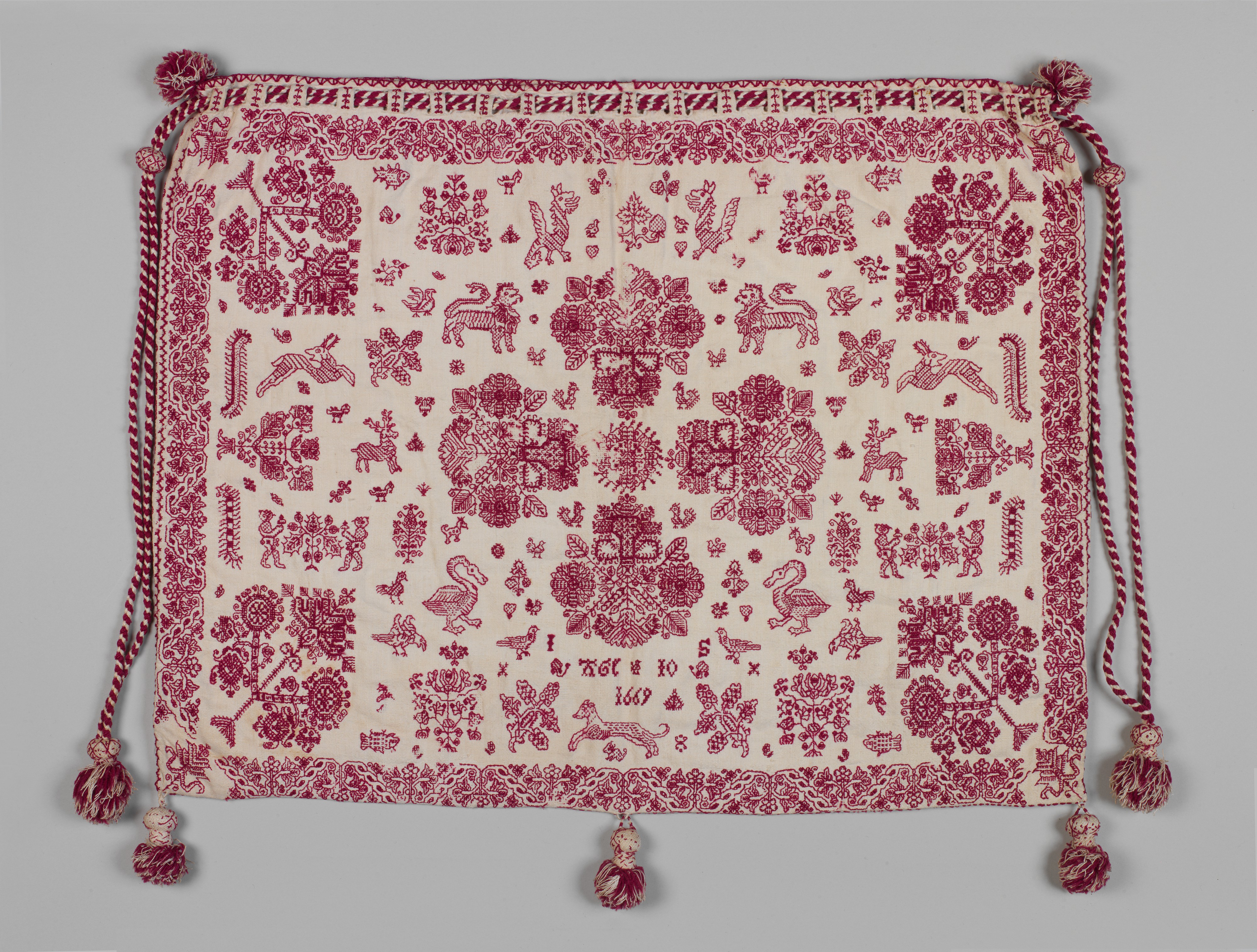
In the relentless churn of seasonal fashion, the work bag has long been relegated to the realm of the pragmatic—a silent vessel for the quotidian. Yet within the avant-garde crucible of Zoey Fashion Laboratory, the work bag is reborn not as an accessory, but as a wearable manifesto. For SS26, we dissect a singular piece: a work bag forged from linen, articulated with wool thread, and defined by the structural rigor of double running and herringbone stitches. This is not a bag for carrying objects; it is a fragment of future archaeology, a study in how humble materials can be weaponized to challenge the very notion of containment.
Material as Metaphor: Linen’s Radical Vulnerability
Linen, a fiber of ancient provenance, is typically associated with breathability and pastoral simplicity. In this context, however, it is deployed as a counterpoint to synthetic rigidity. The fabric’s natural slubs and uneven weave are not imperfections but deliberate markers of authenticity. When worked with wool thread—a material of inherent tension and memory—the linen becomes a site of structural negotiation. The wool thread, with its slight elasticity and matte finish, introduces a tactile dissonance: where linen suggests fragility, wool imposes resilience. Together, they form a binary of soft strength, a dialogue between the organic and the engineered.
The double running stitch, a technique of geometric precision, creates a grid-like topography across the bag’s surface. This is not mere decoration but a cartography of use. Each stitch anchors the fabric, preventing distortion while simultaneously introducing a rhythm of repetition. The herringbone stitch, with its zigzag trajectory, subverts this order. It weaves diagonally across the grid, creating a visual fracture—a seam that suggests both binding and rupture. This juxtaposition of order and chaos is the bag’s core paradox: it is simultaneously a fortress and a ruin.
Futuristic Silhouettes: The Bag as Architectural Fragment
In the SS26 collection, the work bag is not worn on the shoulder or held by a handle. Instead, it is integrated into the silhouette as a prosthetic appendage. The bag’s form is elongated and asymmetrical, with a base that flares outward like an inverted pyramid. This silhouette, inspired by deconstructivist architecture, challenges the traditional rectilinear shape of work bags. The top edge is left raw, with linen threads fraying into a fringe that mimics the decay of industrial structures. The bag does not close; it gapes, offering a view of its interior—a void that is both inviting and unsettling.
The structural innovation lies in the absence of rigid hardware. There are no zippers, no metal rivets, no plastic clasps. The bag’s shape is maintained entirely through the interplay of stitches and the inherent stiffness of the linen-wool composite. This is a monolithic construction, where every seam is a load-bearing element. The double running stitches form vertical columns that channel weight downward, while the herringbone stitches act as lateral braces, preventing the fabric from collapsing. The result is a soft architecture—a bag that stands upright through tension alone, like a tensile fabric structure.
The Herringbone as a Code of Resistance
The herringbone stitch, with its V-shaped repetitions, is often associated with durability in traditional tailoring. In this avant-garde context, it becomes a code of rebellion. Each zigzag is a refusal of linearity, a deliberate deviation from the straight line that dominates functional design. The stitch’s path suggests a narrative of displacement—a bag that is always in motion, never static. When viewed from a distance, the herringbone patterns create a moiré effect, an optical illusion of depth that makes the bag appear to breathe. This is a garment that rejects stasis, aligning with the SS26 theme of transience and impermanence.
Furthermore, the herringbone stitches are placed at strategic stress points: the corners, the base, and the points where the bag would most likely tear. This is not merely decorative but functional engineering. The stitch’s diagonal orientation distributes tensile forces across a wider area, preventing the linen from fraying under load. In this sense, the herringbone is both a symbol of fragility and a mechanism of endurance—a paradox that defines the avant-garde ethos.
Deconstructive Aesthetics: The Unfinished as Completion
The work bag’s deconstructive aesthetic is most evident in its unfinished edges and exposed seams. Where a traditional bag would be lined or bound, this piece leaves the raw linen exposed, with wool threads trailing like loose narratives. This is a deliberate act of deconstruction as completion. The bag does not hide its construction; it celebrates its own making. The double running stitches are visible on both sides, creating a double-sided topography where inside and outside blur. The bag becomes a Möbius strip of labor, where the process of creation is the final product.
This approach aligns with the broader avant-garde trend of anti-fashion—a rejection of the polished, the finished, the commodifiable. The work bag is not designed for mass production but for singular existence. Each stitch is a mark of the hand, a trace of the maker’s presence. In an era of automated manufacturing, this bag is a manual protest, a return to the tactile and the temporal. It is a bag that will age, fray, and eventually disintegrate—a memento mori for the disposable culture of fashion.
SS26 Context: The Bag as a Wearable Time Capsule
Within the SS26 collection, this work bag serves as a counterpoint to digital acceleration. While the collection explores themes of speed, connectivity, and virtual identity, this piece grounds the narrative in the physical and the slow. The labor-intensive stitching, the natural fibers, the raw edges—all these elements resist the ephemeral nature of digital fashion. The bag is a time capsule, preserving the skills of hand-craft in an age of algorithmic design.
Yet it is also a futuristic artifact. The silhouette, with its asymmetrical flare and raw fringe, recalls cybernetic prosthetics—a bag that is not carried but grown onto the body. The double running stitches form a grid that could be read as a circuit board, while the herringbone stitches resemble neural pathways. This is a bag that bridges the organic and the synthetic, the ancient and the futuristic. It is a threshold object, existing at the boundary between past and future, function and art.
Conclusion: The Bag as a Manifesto
In the final analysis, this linen and wool work bag is not a product but a proposition. It proposes that utility can be poetic, that structure can be fluid, and that the humble can be radical. Through the meticulous application of double running and herringbone stitches, Zoey Fashion Laboratory has created a wearable paradox: a bag that is both fragile and resilient, both ancient and futuristic, both functional and sculptural. It is a definitive statement for SS26, a reminder that the most avant-garde innovations often emerge from the simplest materials, reimagined through the lens of structural innovation and deconstructive intent. This is not a bag for the everyday; it is a bag for the every-other-day, a piece that demands contemplation and rewards scrutiny. It is, in essence, a manifesto stitched in linen.