Technical Deconstruction: The Molecular Blueprint
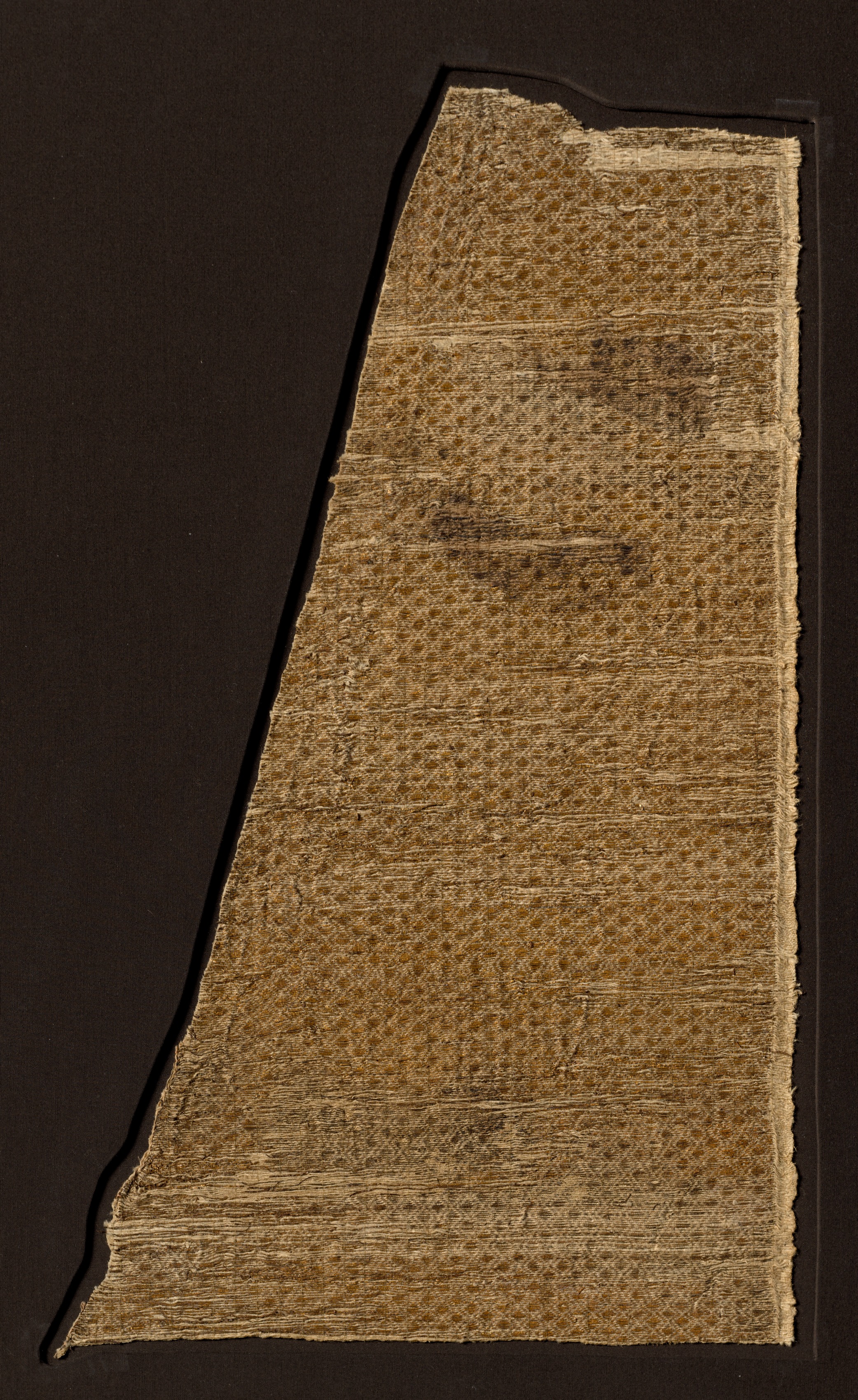
The provided textile presents a fascinating molecular structure. Its base genome is a classic tabby (plain weave) of silk and cotton, a stable and ancient pairing. This forms the double-helix backbone—the reliable, foundational code. The radical expression comes from the supplementary weft technique. Here, the silver threads are not integral to the structural integrity of the fabric; they are added information, programmed loops of extraneous code that float across the surface. This creates a dense, raised pattern, a phenotypic expression that is physically and visually distinct from the ground. The reference to a "New DNA Strand" is acutely perceptive. We are not looking at a simple graft, but a transgenic textile: the organic, fluid heritage of Central Asian silk is spliced with the inorganic, rigid brilliance of metal. The "silver thread" historically would have been silver-wrapped silk or fine metal strip, a material that catches light with a cold, sharp gleam, fundamentally altering the fabric's interaction with its environment.
Material Semantics: Silk, Cotton, and Silver
Each material is a loaded signifier. Silk speaks of the Silk Road, of luxury, trade, and sensuality. It carries the memory of movement and fluidity. Cotton, often used as a lining or base in such heirlooms, grounds the fabric in practicality and everyday resilience. Silver is the disruptive element. In Central Asian tradition, particularly in regions like Uzbekistan or Tajikistan, metal thread (often silver or gold) denoted status, spiritual protection, and a tangible form of wealth woven into the very fabric of life. It was a form of portable capital and a ward against evil. In our Lab's context, we reinterpret this triad: Silk is the past, the biological memory. Cotton is the present, the sustainable, breathable reality. Silver is the future—synthetic, reflective, and interrogative.
Avant-Garde Translation: From Heirloom to Algorithm
The directive for an Avant-garde style necessitates not mere reproduction, but a radical translation. We move from cultural artifact to conceptual prototype. The "New DNA Strand" is our guiding algorithm. This is not about creating a garment that looks futuristic, but one that behaves and is structured according to a new set of rules derived from this ancient-modern hybrid.
Structural Innovations: The Fabric Re-coded
First, we must evolve the textile itself. Imagine replacing the historical silver-wrapped thread with conductive metallic yarns, memory alloy wires, or optical fibers. The supplementary weft becomes a functional circuit board, capable of carrying data, emitting light, or changing shape in response to temperature. The tabby base remains the organic host—perhaps a blend of peace silk and organic cotton for ethical integrity. The pattern formed by the supplementary weft is no longer static; it is a UI (User Interface) pattern, a topographic map of interactivity. This creates a literal "wearable technology," but one with the soul and technique of a centuries-old craft.
Form and Silhouette: Architectural Expressions
The weight, stiffness, and reflectivity of the original textile demand an architectural approach to silhouette. Avant-garde translation here rejects drapery in favor of construction. Think of garments as exoskeletons or protective shells. Sharp, geometric origami folds would capture the way light fractures on the metal threads. Asymmetric, layered forms can mimic the density and rhythm of the supplementary weft patterning. A garment could feature a "quiet" zone of plain silk/cotton tabby, abruptly transitioning into a "loud," densely encoded sector of heavy metal-thread embroidery, creating a visual narrative of data compression and release.
The Zoey Fashion Lab Collection: "Transgenic Heirlooms"
This analysis logically culminates in a proposed capsule collection that operationalizes this deconstruction. The collection name: "Transgenic Heirlooms".
Key Pieces:
1. The Data Chapan: Reimagining the Central Asian ceremonial coat. The exterior is a mapped field of conductive supplementary weft, forming a circuit pattern that connects to a minimalist LED display on the collar, visualizing ambient data (like air quality or digital traffic). The interior lining is pure, undyed silk tabby, a soft, private contrast to the hard, public exterior.
2. The Reactive Veil: A headpiece or overskirt using a base of black cotton tabby. The supplementary weft is a sparse network of titanium-nickel memory alloy. In response to body heat or an electrical impulse, the alloy contracts, causing the veil to cinch and reshape itself, creating a dynamic, living pattern that obscures and reveals.
3. The Spliced Tunic: The most direct translation. One side of the torso is traditional, fluid silk. The other side is a rigid, geometric panel of our modernized textile, with the supplementary weft in recycled aluminum yarn. The seam between them is a raw, surgical incision, emphasizing the splice.
Philosophical and Commercial Positioning
This collection positions Zoey Fashion Lab at the critical intersection of deep craft heritage and speculative design. It answers the avant-garde mandate by challenging the very definition of fabric, transforming it from a passive surface to an active, intelligent membrane. Commercially, it speaks to a discerning clientele that values narrative, innovation, and tangible connection to cultural roots, even as it projects into the future. It is not fast fashion; it is deep fashion—engineered at the molecular, or rather, the textile-structural level.
In conclusion, the Central Asian diamond textile is not merely an artifact to be copied. It is a complete and sophisticated genetic sequence. By isolating its components—the stable tabby DNA, the expressive supplementary weft RNA, and the semantic material proteins—we have successfully synthesized a new, viable, and profoundly avant-garde strand for the Zoey Fashion Lab genome. The prototype is ready for development.