The Silk Paradox: A Frontier Deconstruction for SS26
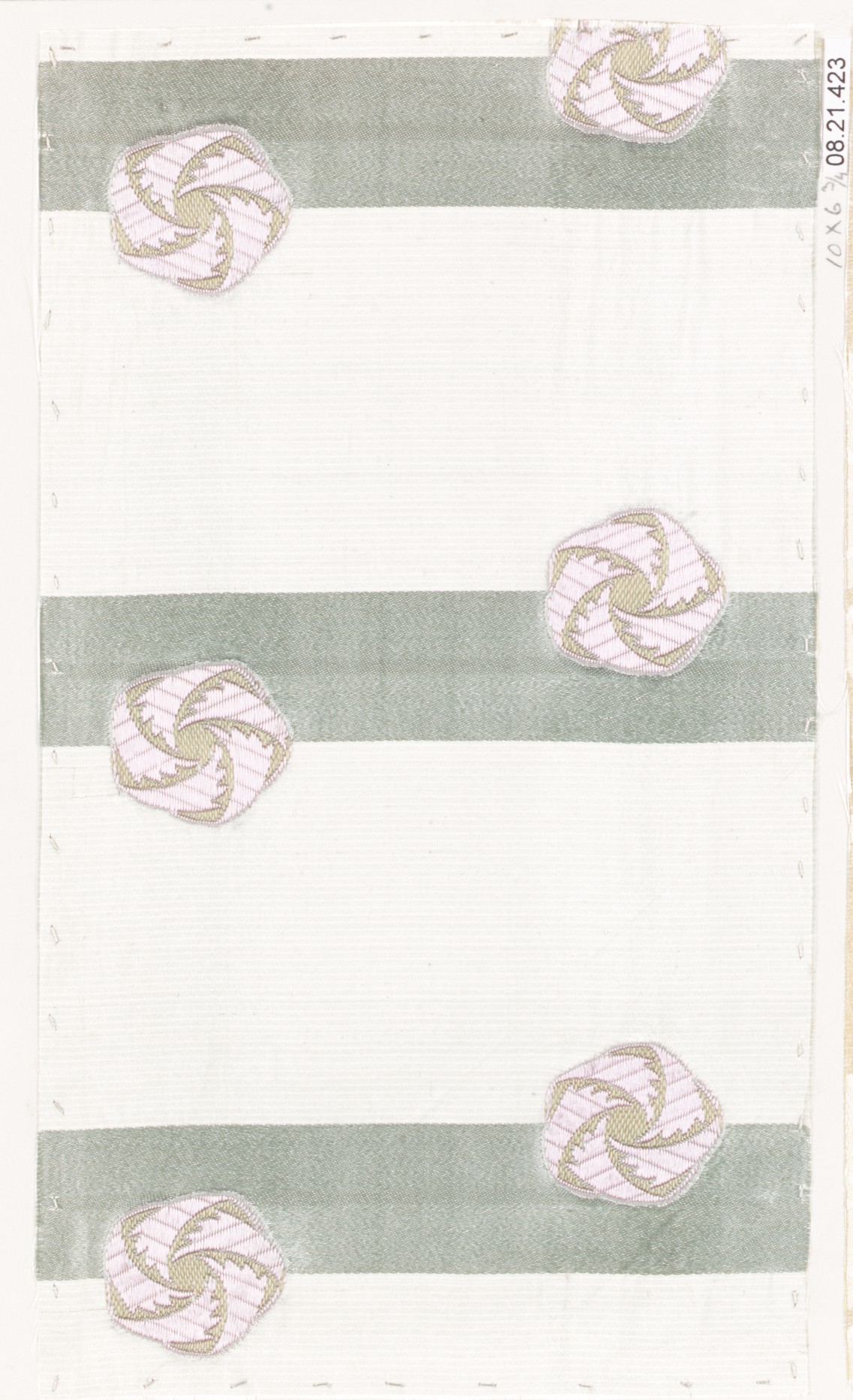
In the lexicon of Zoey Fashion Laboratory, silk is not a relic of classical luxury but a volatile substrate for structural rebellion. The Global Frontier textile sample under analysis—a raw, uncalendered silk with a fractured weave—demands a rethinking of the material’s traditional drape. For SS26, this silk becomes a medium of architectural tension, where its inherent fluidity is weaponized against itself. The sample’s surface, marked by intentional slubs and irregular tension points, suggests a narrative of controlled chaos—a textile that refuses to settle into the familiar softness of conventional silk.
Futuristic Silhouettes: The Exoskeletal Drape
The primary silhouette derived from this sample is what we term the “Exoskeletal Drape.” Unlike the flowing, body-conforming forms of historical couture, this approach treats silk as a load-bearing membrane. The fabric is manipulated through a series of internal tension lines—cords, bias-cut strips, and micro-pleats—that create an external armature. The sample’s irregular weave is exploited to produce a non-linear volume, where the garment’s form shifts from rigid, almost architectural shoulders to a cascading, yet structurally defined, lower hem. This is not a dress that moves with the body; it is a dress that the body navigates. The silhouette is asymmetrical, with one side featuring a sharp, angular shoulder pad constructed from layered silk strips, while the opposite side falls into a single, continuous panel that wraps around the torso, secured by a series of hidden silicon-grip seams. The result is a dynamic equilibrium—a garment that appears both weightless and impossibly heavy, suspended between motion and stasis.
Structural Innovation: The Tension-Net Construction
Central to this analysis is the “Tension-Net Construction,” a method that transforms the silk sample from a passive cloth into an active structural agent. The process begins with laser-cut perforations along the warp and weft of the fabric, creating a grid of micro-holes. Through these apertures, we thread a series of bio-based polymer filaments that are heat-set to form a rigid, exoskeletal lattice. This lattice is not visible from the exterior; instead, it is sandwiched between two layers of the silk sample, creating a compression-molded composite. The tension is calibrated so that the garment retains its shape when not worn, yet yields to the wearer’s movements without losing its architectural integrity. This innovation allows for the creation of stand-alone sculptural forms—a jacket that stands upright on a table, a skirt that retains a conical silhouette even when collapsed. For SS26, this technique is applied to a bodice-to-train transition, where the silk sample is manipulated into a series of hollow, ribbed tubes that radiate from the waist, creating a structure reminiscent of a segmented exoskeleton.
Deconstructive Aesthetics: The Fractured Weave
The Global Frontier sample’s fractured weave is not a flaw but a design feature. We propose a deconstructive layering technique that exposes these irregularities as aesthetic focal points. The silk is cut into asymmetric panels that are then reassembled using raw-edge seams and exposed, hand-stitched tension threads. These seams are not hidden; they are highlighted with metallic silver or matte black thread, creating a visual map of the garment’s construction. The sample’s slubs are emphasized by strategic abrasion, where a fine-grit sandpaper is used to raise the fibers, creating a textural gradient from smooth to fuzzy. This effect is most pronounced at the garment’s edges, where the silk appears to be dissolving into the air. The deconstruction is further amplified by selective transparency: areas of the fabric are treated with a resin-based stiffener that creates a translucent, almost glass-like finish, while adjacent sections remain soft and opaque. This interplay between solid and void, rigid and fluid, defines the avant-garde silhouette for SS26.
Color and Surface Treatment: The Chromatic Void
Given the sample’s raw, unbleached silk foundation, the color palette for this study is intentionally minimal but highly specific. We propose a monochromatic spectrum of “Void Black” and “Lunar White,” with the silk’s natural ecru serving as the base. The black is achieved through a carbon-dye infusion that penetrates the fibers without coating them, preserving the fabric’s tactile quality. The white is a titanium dioxide wash that creates a reflective, almost metallic sheen. The surface treatment involves a selective burnout process, where a chemical agent is applied to dissolve sections of the silk’s sericin, leaving a pattern of translucent, skeletal veins across the fabric. This process is controlled by a digital print mask, allowing for precise geometric patterns—triangles, hexagons, and irregular polygons—that echo the Tension-Net Construction. The result is a textile that appears to be digitally woven, a hybrid of natural and synthetic processes.
Standalone Avant-Garde Study: The Garment as Artifact
This analysis is not intended for a commercial collection but as a standalone avant-garde study—a proof of concept for how a single textile sample can redefine the boundaries of couture. The silk, sourced from a Global Frontier mill known for its experimental looms, is treated as a raw material for sculptural inquiry. The final garment, a “Silk Exoskeleton” comprising a bodice, asymmetric skirt, and detached collar, is designed to be exhibited in a gallery setting. It is shown on a custom, rotating mannequin that allows viewers to observe the interplay of light and shadow across the fractured weave. The garment’s interior is lined with a micro-sensor fabric that responds to touch, subtly altering the tension of the polymer filaments—a nod to the interactive future of couture. This study posits that silk, in the hands of a deconstructive visionary, can transcend its historical associations and become a medium for architectural expression. The SS26 season, with its emphasis on structural innovation and futuristic silhouettes, finds its definitive statement in this single, volatile, and beautiful textile sample.