The Ossuary Silhouette: Deconstructing the Bone Button as Structural Fulcrum for SS26
From Fastener to Foundation: The Evolutionary Leap of the Tinted Bone Button
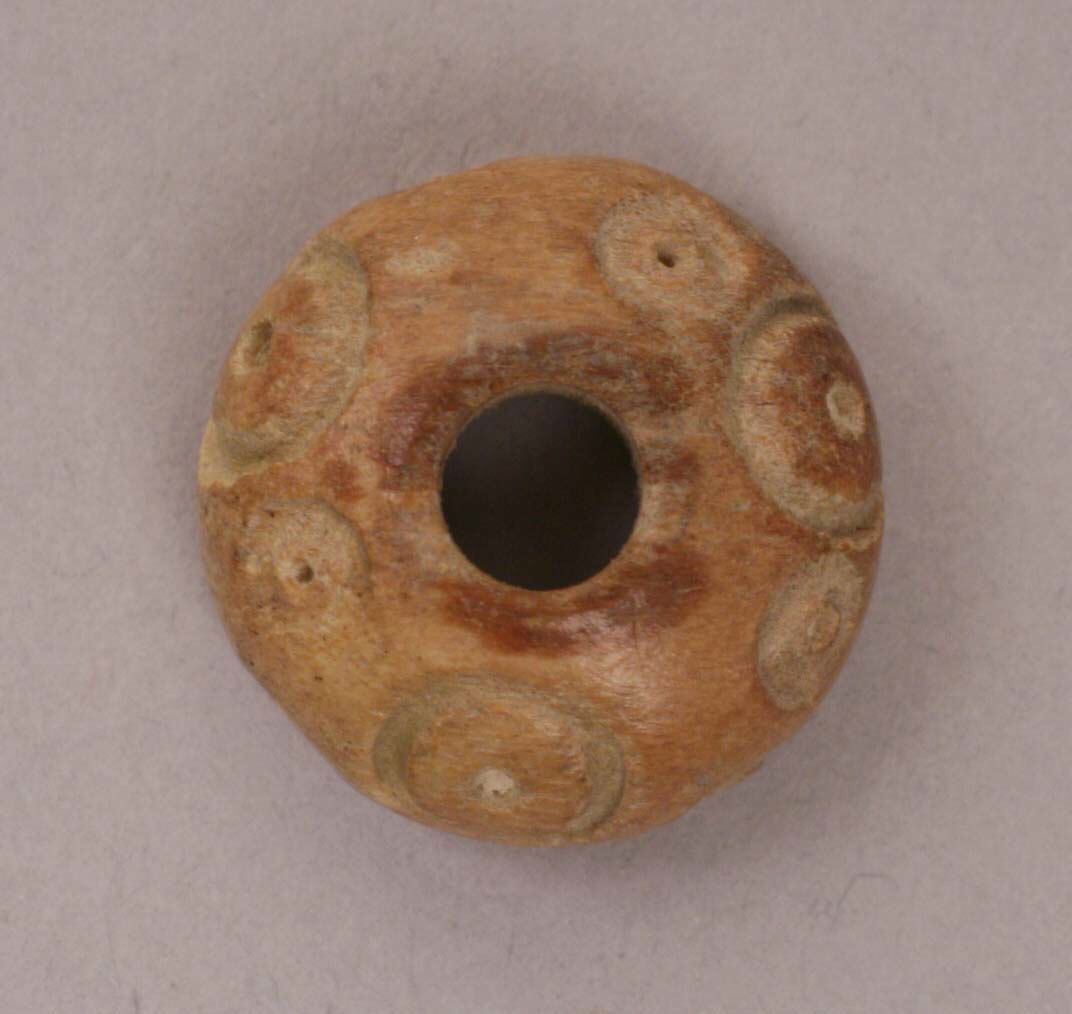
The button, historically relegated to the utilitarian periphery of garment construction—a mere mechanical afterthought—undergoes a radical ontological shift in Zoey Fashion Laboratory’s SS26 avant-garde analysis. No longer a passive agent of closure, the bone button, specifically tinted, incised, and inlaid with paint, emerges as the architectural keystone of a new silhouette. This is not an embellishment; it is a load-bearing element, a micro-sculpture that dictates the drape, tension, and volumetric collapse of the fabric. The Global Frontier origin imbues this object with a primal, almost archaeological weight, while the futuristic context demands we reimagine its function within a post-industrial, biomechanical aesthetic.
The materiality of bone—its porous density, its organic grain, its inherent strength under compression—offers a profound counterpoint to the synthetic, fluid textiles that define much of contemporary avant-garde couture. When tinted, the bone loses its sterile, skeletal whiteness and acquires a chromatic memory, a stained-glass opacity that catches light in unpredictable ways. The incised lines are not decorative; they are stress-relief channels, engineered to fracture in a controlled manner under extreme tension. The inlaid paint, often a phosphorescent or metallic pigment, acts as a geomantic marker, a wayfinding system for the garment’s kinetic energy. This button is a fossil from the future, a relic of a civilization that understood the body as a tectonic plate.
The Silhouette as Tectonic Plate: Structural Innovations in Garment Architecture
The SS26 silhouette, driven by this reimagined bone button, abandons the soft, draping forms of previous seasons in favor of a fractured, crystalline geometry. We propose a series of garment typologies where the button is not sewn onto a placket but rather acts as a pivot point for articulated panels. Imagine a jacket constructed from multiple, overlapping trapezoidal segments of a rigid, resin-bonded linen. Each segment is connected not by stitching, but by a single, oversized tinted bone button that allows for a 45-degree angle of rotation. The result is a carapace that shifts with the wearer’s movement, creating a constantly evolving silhouette—a living exoskeleton.
This approach necessitates a complete rethinking of the garment’s internal structure. The traditional lining is replaced by a network of tension cables (thin, braided steel or Kevlar) that terminate at each bone button. The wearer can adjust the tension of these cables, effectively tightening or loosening the entire garment structure. This transforms the button from a passive fastener into an active tension regulator, a dial that controls the volume and shape of the silhouette. A loose cable creates a billowing, almost organic form; a tight cable pulls the panels into a sharp, architectural spire. The incised lines on the button surface become tactile indicators, allowing the wearer to “read” the tension level through touch alone.
The Global Frontier Aesthetic: Primal Futurism and the Narrative of the Incised Bone
The incising on the bone buttons is not arbitrary. Drawing from the Global Frontier concept, these patterns are a hybrid language—part ancient tribal scarification, part futuristic circuit-board schematic. The inlaid paint, often a deep ultramarine or a stark, iridescent white, fills these channels, creating a luminous contrast against the tinted bone base. This is a narrative of symbolic encoding: each button tells a story of cultural collision, of a future where indigenous craft is fused with speculative engineering. The buttons become amulets, talismans of a new world order where the body is both a canvas and a machine.
Consider a dress constructed from a single, continuous spiral of a bioplastic-infused silk. The spiral is held in place by a series of these bone buttons, placed at strategic intervals along the wearer’s spine and shoulders. As the wearer moves, the spiral expands and contracts, creating a dynamic, undulating silhouette. The buttons, with their inlaid paint, catch the light, creating a constellation of points that map the garment’s kinetic trajectory. This is not a dress; it is a wearable kinetic sculpture, a performance of structure and release. The bone buttons are the fixed points, the anchors in a sea of fluid motion.
Material Alchemy: The Tinted, Inlaid Bone as a Conductor of Light and Force
The material science of the tinted bone button is crucial to its avant-garde application. The tinting process is not a surface dye; it is a deep molecular infusion, achieved through a vacuum-pressure technique that forces pigment into the porous bone matrix. This creates a color that is integral to the material, resistant to chipping or fading. The incising is done with a CNC router, allowing for precise, repeatable patterns that can be aligned across multiple buttons in a single garment. The inlaid paint is a high-viscosity, epoxy-based resin mixed with fine metallic powders—aluminum for a silver sheen, copper for a warm, oxidized patina. The result is a button that feels like a polished gemstone, with a weight and heft that grounds the garment.
This materiality also introduces a new acoustic dimension to the garment. When the bone buttons clatter against each other or against the fabric, they produce a distinct, percussive sound—a dry, resonant click that is both organic and industrial. This sound becomes a signature of the garment, a sonic signature that announces the wearer’s presence. In a performance or runway context, this auditory feedback creates a rhythmic counterpoint to the visual spectacle, deepening the sensory experience. The button is no longer silent; it speaks.
Conclusion: The Button as a Portal to a New Couture Lexicon
Zoey Fashion Laboratory’s SS26 analysis repositions the tinted, incised, and inlaid bone button as the primary generative force of the avant-garde silhouette. It is a catalyst for structural innovation, a narrative device, and a material alchemist’s dream. By treating this humble object as a fulcrum, we unlock a new vocabulary of garment construction—one based on tension, articulation, and symbolic resonance. The Global Frontier origin reminds us that the future of couture lies not in rejecting the past, but in reanimating its most primal elements with a futuristic, almost ritualistic intensity. The button, once a mere closure, is now a portal to a new architectural body. It is the bone from which the future is built.