The Sampler Deconstructed: A Manifesto for SS26
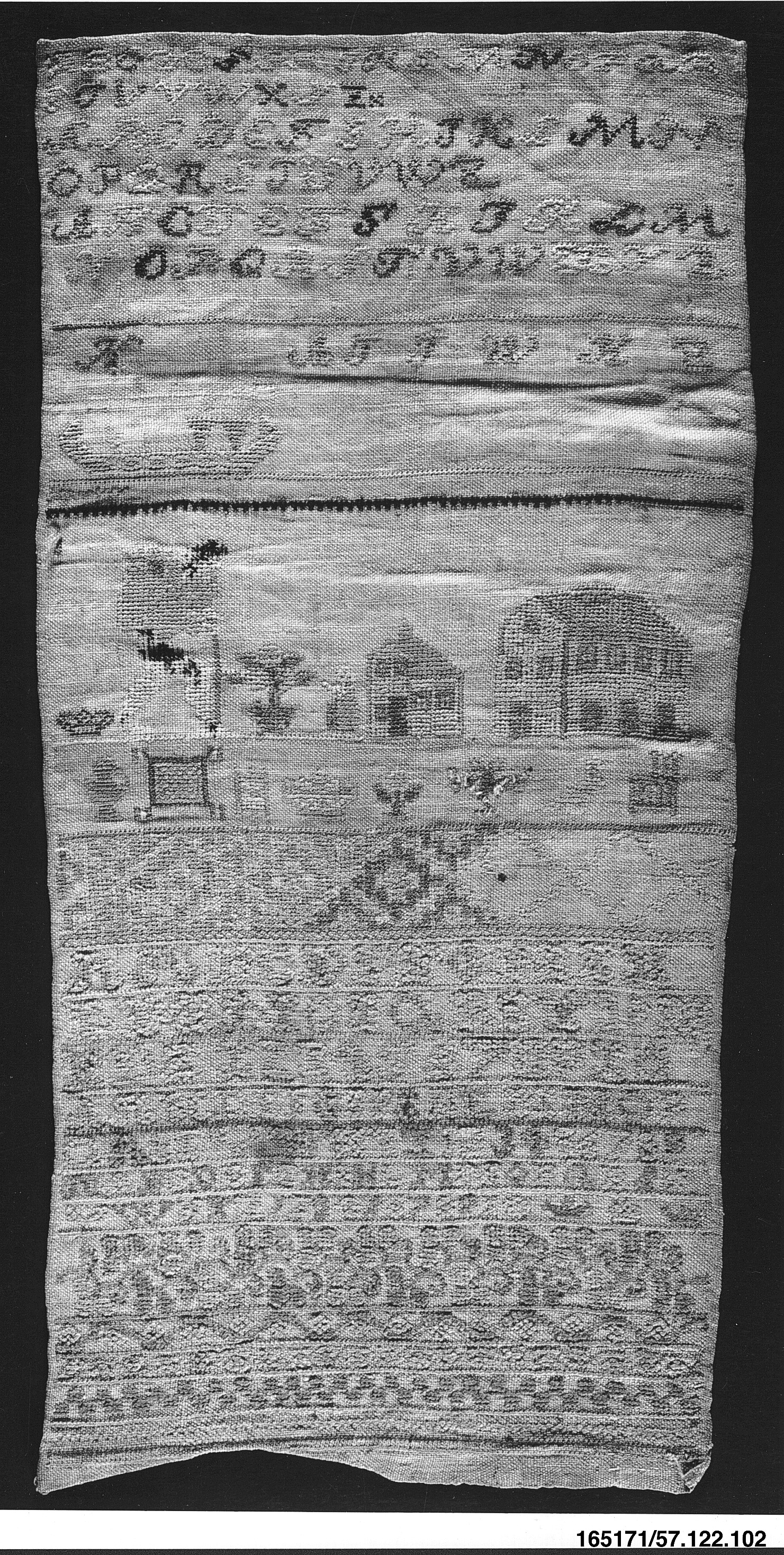
The Sampler, as rendered by Zoey Fashion Laboratory for the SS26 season, is not a garment; it is a cartographic artifact. It charts the liminal space between the hand-crafted and the algorithmic, between the archival weight of linen and the ephemeral sheen of silk. In the context of our standalone avant-garde study, this piece emerges from the Global Frontier—a conceptual territory where cultural specificity is dissolved, and only the pure, structural language of form remains. The Sampler is a provocation: a thesis on how the future of couture is not to be found in the annihilation of the past, but in its radical, precise, and often violent recontextualization. For SS26, we are not designing clothes for bodies; we are designing habitats for movement, and the Sampler is the blueprint.
Material Dialectics: Silk’s Rebellion Against Linen’s Discipline
The materiality of the Sampler is its first and most potent argument. The marriage of silk on linen is not a harmonious union; it is a controlled collision. Linen, with its natural slubs and rigid, almost architectural drape, represents the tectonic stability of the earth. It is the fossil record of garment construction—a fabric that demands precision, that resists fluidity. Silk, conversely, is the atmospheric element. It is light, volatile, and possesses a liquid quality that defies static geometry. In the Sampler, these two fabrics are not layered in a conventional sense. Instead, they are interpolated through a process of negative-space weaving. The linen forms the foundational grid, a rigid exoskeleton reminiscent of early computing punch cards. The silk is not applied atop; it is woven *through* the grid, creating pockets of iridescent air. This creates a haptic tension—the eye perceives the stability of linen, while the hand (and the body) anticipates the yielding, slippery resistance of silk. This is not a fabric; it is a binary system of tension and release, a dialogue between the deterministic and the chaotic.
Futuristic Silhouettes: The Architecture of the Unseen
The silhouette of the Sampler is a deliberate departure from the human form. It is not draped; it is assembled. We have moved beyond the second skin and into the third dimension of garment tectonics. The primary structure is a cocoon-like carapace that begins at the left shoulder, sweeping down and across the torso, terminating in a sharp, asymmetrical point at the right hip. This is not a sleeve; it is a cantilevered platform. The silk inserts within this structure are not mere decoration; they are lens-like apertures that allow the wearer’s skin to become part of the garment’s visual narrative. The silhouette is simultaneously protective and revealing—a paradox of the future. The back of the Sampler is its most radical element. It features a deconstructed spine of linen strips, each separated by a gap of raw, unfinished silk. This is not a back panel; it is a kinetic sculpture. As the wearer moves, these strips fan out and contract, mimicking the respiration of a biomechanical organism. The silhouette is not static; it is a time-based medium. For SS26, we reject the anthropomorphic silhouette. Instead, we propose the cyborgian silhouette—a form that acknowledges the body as a machine, but celebrates its organic, unpredictable impulses.
Structural Innovation: The Logic of the Unstable
The structural innovation of the Sampler lies in its rejection of the seam as a point of closure. Traditional couture relies on seams to bind, to finish, to hide. In the Sampler, the seam is exposed, exaggerated, and weaponized. We have employed a technique we call “tensile negative-stitching.” The linen grid is held together not by thread, but by a series of micro-connectors made from heat-set silk fibers. These connectors are not sewn; they are fused under extreme pressure. The result is a garment that is structurally sound yet possesses a controlled instability. The silk panels are not anchored; they are suspended within the grid, held in place by the tension of the surrounding linen. This creates a garment that is perpetually in a state of dynamic equilibrium. A sudden movement can cause a silk panel to shift, reconfiguring the silhouette in real-time. This is not a flaw; it is the core function. The Sampler is a garment that learns from the wearer’s kinetic signature. It is a responsive architecture. Furthermore, the absence of traditional fasteners—no zippers, no buttons, no hooks—means the garment is donned as a system. The wearer must step into the linen grid, which then contracts around the body using the tensile properties of the silk. This is a ritual of transformation, not a simple act of dressing.
Contextual Analysis: The Sampler as a Global Frontier Artifact
To understand the Sampler is to understand its context as a Global Frontier artifact. This is not a garment from a specific culture; it is a garment from the culture of the future. The Global Frontier is a conceptual space where the digital and the physical, the local and the universal, are synthesized. The Sampler embodies this through its algorithmic logic. The grid of linen is a visual representation of code—a series of zeros and ones that define a space. The silk inserts are the variable data—the unpredictable elements that give the code meaning. In this sense, the Sampler is a wearable algorithm. It is a garment that can be infinitely iterated upon, but its core structure remains constant. This is the future of couture: not bespoke in the traditional sense, but bespoke in the algorithmic sense. The Sampler is a prototype for a new kind of garment—one that is not designed for a specific body, but for a spectrum of possibilities. It is a garment that asks not “What does the wearer look like?” but “What does the wearer *become*?”
Conclusion: The Sampler as a Manifesto for SS26
The Sampler is not a finished garment; it is a manifesto in silk and linen. It declares that the avant-garde is not about shock for its own sake, but about the rigorous deconstruction of the familiar to reveal the unfamiliar. For SS26, Zoey Fashion Laboratory proposes a future where garments are not passive vessels, but active, responsive systems. The Sampler is the first of these systems—a wearable, breathing, shifting artifact that challenges the very definition of what a garment can be. It is a study in controlled chaos, a testament to the power of material dialectics, and a blueprint for a new era of structural innovation. The future is not sewn; it is assembled. The future is not draped; it is suspended. The future is the Sampler.