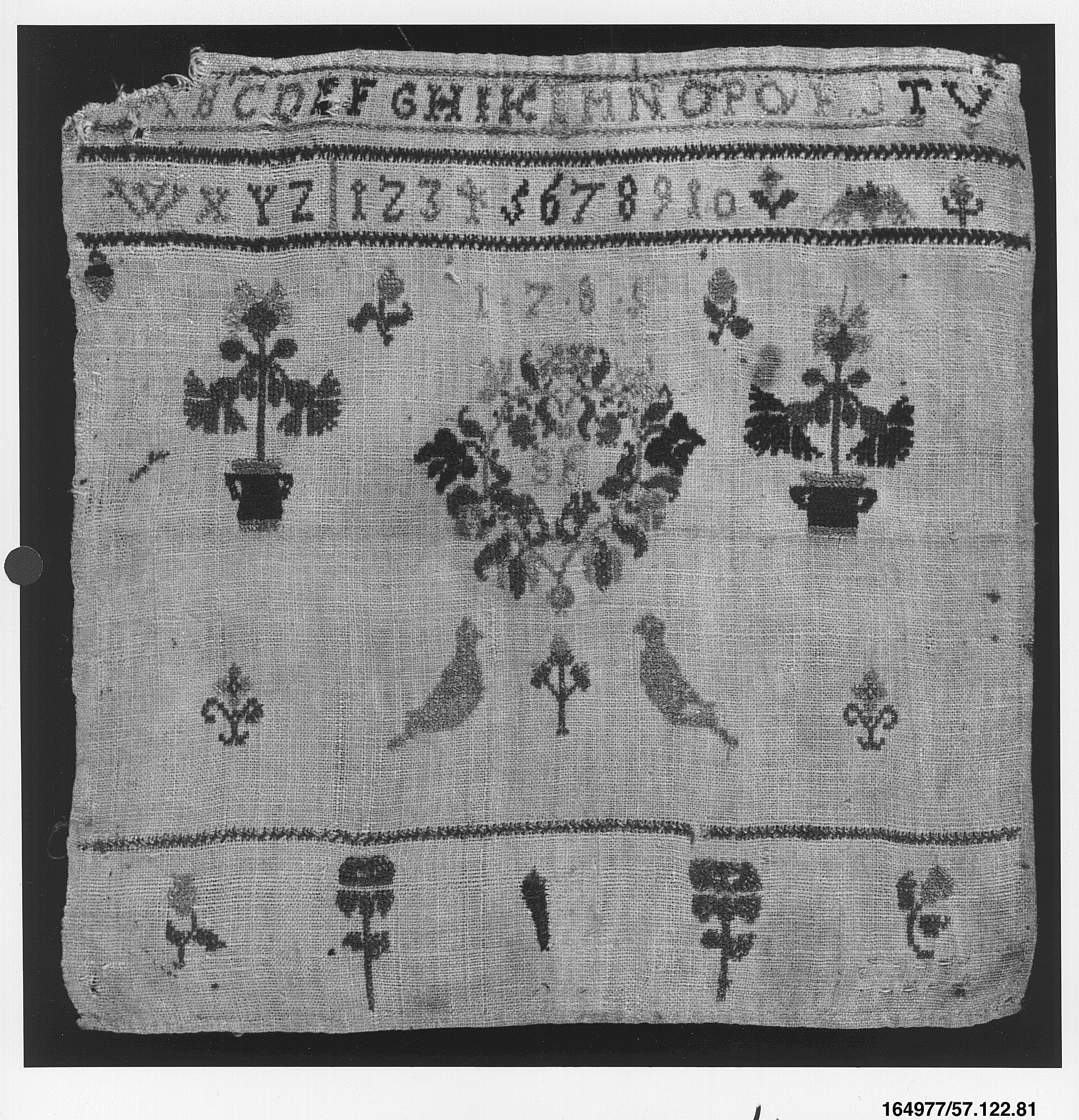
Deconstructing the Sampler: A Study in Structural Subversion for SS26
The Sampler as a Site of Resistance
The sampler, historically a pedagogical tool for demonstrating embroidery proficiency, is recontextualized in Zoey Fashion Laboratory’s SS26 avant-garde study as a radical manifesto of material deconstruction. This is not a nostalgic nod to craft; it is a deliberate reclamation of the fragment as a complete aesthetic entity. The Global Frontier designation signals a departure from regional embroidery traditions, instead positioning the sampler as a universal language of stitch and tension. Each thread becomes a data point in a larger narrative of garment architecture, where the act of sampling is not preparatory but final. The silk on linen substrate—a dialogue between the liquid, luminous sheen of silk and the rigid, earthy weave of linen—introduces a fundamental binary: fragility versus durability, opulence versus austerity. This tension is the generative core of the SS26 silhouette.
Futuristic Silhouettes: The Architecture of Dissonance
The structural innovation in this study emerges from a rejection of the continuous, seamless garment. Instead, the sampler is deployed as a modular, fragmentary system that disrupts the human form. The silk threads are not merely decorative; they are tensile elements that pull, pleat, and suspend the linen base, creating asymmetrical volumes that defy gravitational logic. Consider a jacket where the left panel is a dense, embroidered tapestry of silk knots, while the right panel is a sheer, unadorned linen grid. The sampler’s stitches act as structural seams that do not join fabric but rather separate it, creating negative space where the body is both revealed and obscured. This is the futuristic silhouette as a three-dimensional lattice, where the wearer’s movement activates the tension points, causing the silk to shift and the linen to buckle. The result is a garment that is perpetually in a state of becoming—never fixed, always in flux.
Material Dialogue: Silk on Linen as a Transgressive Composite
The choice of silk on linen is a deliberate provocation against conventional luxury hierarchies. Linen, with its natural slubs and creases, is the antithesis of silk’s polished finish. In this study, the two materials are not blended but layered in a state of mutual abrasion. The silk thread is often left unknotted, its ends fraying into the linen, creating a halo of raw fiber that blurs the boundary between embroidery and wear. This technique—which the laboratory terms deconstructive overstitching—ensures that the sampler is not a finished image but a processual artifact. The linen ground is intentionally left unwashed, retaining the stiff, almost paper-like quality of new fabric, while the silk is treated with a micro-wax coating that resists absorption. The result is a surface where the two materials repel each other, creating a tactile dissonance that is central to the SS26 aesthetic. The garment does not drape; it articulates, with each stitch acting as a joint in a textile exoskeleton.
Structural Innovation: The Tension-Based Silhouette
Zoey Fashion Laboratory’s innovation lies in the re-engineering of the garment’s internal structure. Traditional couture relies on darts, boning, and interfacing to shape fabric. This study replaces those with a tension system derived from the sampler’s embroidery grid. The silk threads are not merely decorative; they are functional cables that pull the linen into predetermined folds and pleats. A dress, for instance, may feature a sampler panel across the torso where the silk is stitched in a radial pattern that, when pulled taut, creates a conical bustier shape without any internal support. The linen’s natural rigidity holds the form, while the silk’s flexibility allows for micro-adjustments. This is a parametric approach to tailoring, where the pattern is not a flat shape but a set of tension vectors. The silhouette becomes a dynamic equilibrium between the thread’s pull and the fabric’s resistance.
Contextualizing the Sampler in the Global Frontier
The Global Frontier context is not geographic but conceptual: it represents the edge of known garment construction. This study draws on techniques from Japanese sashiko (functional stitching), Indian kantha (narrative layering), and Northern European broderie anglaise (cutwork), but strips them of cultural specificity to create a universal grammar of stitch. The sampler becomes a cyborg textile, where the hand-stitched and the machine-stitched coexist in deliberate tension. The silk is often applied in a digital embroidery pattern that mimics algorithmic growth, while the linen is hand-cut with a laser to create precise voids. This hybridity—ancient craft and digital precision—is the hallmark of the SS26 avant-garde. The garment is not a product but a specimen of a new textile paradigm, where the sampler is both the process and the final form.
Conclusion: The Sampler as a Manifesto for SS26
This study redefines the sampler from a decorative afterthought to a primary structural element in avant-garde couture. The silk on linen composite, with its inherent contradictions, allows for silhouettes that are both sculptural and mutable, rigid and fluid. The tension-based system of stitching replaces traditional tailoring, creating garments that are architectural yet organic, precise yet alive. For SS26, Zoey Fashion Laboratory proposes a future where the garment is not a shell for the body but a field of forces—a sampler of possibilities, stitched into existence. The wearer is not a passive model but a co-creator, whose movement completes the design. This is the frontier: a couture that is never finished, always sampled, and perpetually in dialogue with the material world.