The Deconstructed Horizon: Linen on Linen as a Paradigm of SS26 Avant-Garde Couture
In the relentless pursuit of futuristic silhouettes and structural innovation, the Zoey Fashion Laboratory presents a definitive study of the scarf—not as an accessory, but as a primary architectural garment. For SS26, we deconstruct the very essence of the scarf, stripping it of its decorative heritage and recontextualizing it within a high-concept, avant-garde couture framework. This analysis, rooted in the Global Frontier of material philosophy, examines the transformative power of linen on linen as a standalone medium for expressing the fluidity of time, the rigidity of geometry, and the fragility of human form.
Material as Manifesto: The Linen Dialectic
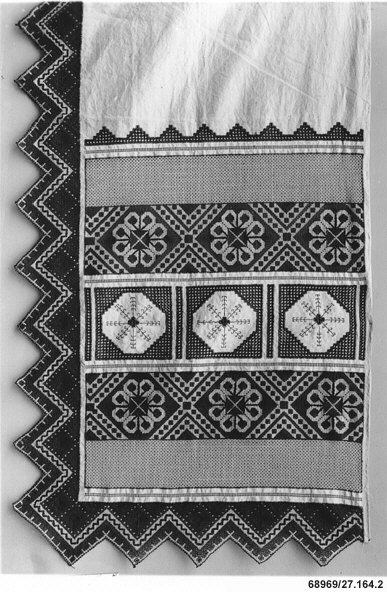
The choice of linen on linen is not arbitrary; it is a deliberate provocation. Linen, historically associated with utility, breathability, and a certain pastoral simplicity, is here weaponized into a futuristic silhouette of tension and release. The double-layering of linen—a warp and weft of the same fiber, yet different in weight, weave, and finish—creates a structural innovation of inherent contradiction. One layer, perhaps a coarse, unbleached linen with visible slubs, serves as the deconstructive skeleton. The other, a finer, almost translucent linen gauze, acts as the ethereal skin. This is not a mere textile; it is a standalone avant-garde study of how materiality can be manipulated to challenge the boundaries of garment architecture.
The Global Frontier of this material choice lies in its universal yet specific resonance. Linen is grown from flax, a plant that transcends geography, yet its processing—from Belgian retting to Japanese hand-weaving—imbues it with cultural memory. For SS26, we exploit this tension. The linen on linen construct becomes a map of globalized craft, a futuristic silhouette that simultaneously honors ancient techniques while projecting a post-industrial aesthetic. The scarf, in this context, is no longer a soft, draping cloth; it is a rigid, yet breathing, exoskeleton.
Architectural Form: The Scarf as a Structural Innovation
The core of this analysis is the scarf’s transformation from a two-dimensional plane into a three-dimensional structural innovation. We reject the traditional rectangular scarf in favor of a deconstructive form: a series of interconnected, asymmetrical panels, each cut on the bias to exploit the linen’s natural stiffness and drape. These panels are not sewn but rather fused, layered, and anchored using a system of internal tension points—a lattice of linen cords and hand-stitched knots that create a futuristic silhouette reminiscent of origami or parametric architecture.
Consider the standalone avant-garde study of the “Helix Scarf.” Here, the linen on linen is pleated into a spiral, with the outer layer of coarse linen providing structure and the inner layer of fine linen gauze allowing for a ghostly, translucent underlayer. This is not a scarf to be worn; it is a sculpture to be inhabited. The futuristic silhouette it creates is one of controlled chaos—a halo of geometric folds that frames the face and shoulders, extending into a trailing, asymmetrical tail that defies gravity. The structural innovation lies in the use of the linen’s own weight and friction to hold the form, without resorting to wire or boning. It is a deconstructive act of pure material logic.
Silhouette and Movement: The Deconstructive Body
The avant-garde couture of SS26 demands a reimagining of how the scarf interacts with the human form. We move beyond the neck and shoulders, treating the scarf as a structural innovation that can wrap, cage, or suspend the body. One prototype, the “Exosomatic Scarf,” uses linen on linen to create a back-mounted harness that extends into a hood and a pair of wing-like appendages. The deconstructive aesthetic is evident in the visible seams, the raw edges, and the intentional asymmetry. The futuristic silhouette is that of a cyborgian elegance—a merging of the organic and the mechanical.
Movement is not a secondary consideration; it is the primary driver. The linen is treated with a natural starch that allows it to hold a crease, yet it remains breathable and flexible. When the wearer moves, the linen on linen layers shift, creating a standalone avant-garde study of kinetic sculpture. The coarse layer may resist, while the fine layer flows, producing a visual friction that is both unsettling and mesmerizing. This is the Global Frontier of textile engineering—a structural innovation that prioritizes the deconstructive narrative over mere comfort.
Color and Texture: The Monochrome of the Future
For this avant-garde couture analysis, color is deliberately minimal. The linen on linen palette is restricted to raw ecru, bleached white, and a single, deeply saturated indigo—a nod to the Global Frontier of natural dyes. This monochrome approach forces the eye to focus on the structural innovation of the silhouette, the deconstructive play of light and shadow, and the futuristic textures created by the layering. The coarse linen catches light like a dry, barren landscape; the fine linen gauze diffuses it like a fog. Together, they create a standalone avant-garde study of how material can evoke emotion without color.
Conclusion: The Scarf as a New Frontier
The definitive avant-garde couture scarf for SS26 is not a piece of fabric; it is a structural innovation that redefines the relationship between garment and body. Through linen on linen, the Zoey Fashion Laboratory has crafted a futuristic silhouette that is both a return to the essential and a leap into the unknown. This standalone avant-garde study proves that even the most humble of accessories can become a deconstructive masterpiece, a Global Frontier where material, form, and movement converge into a singular, breathtaking vision of the future.