The Angelic Construct: Deconstructing the Global Frontier for SS26
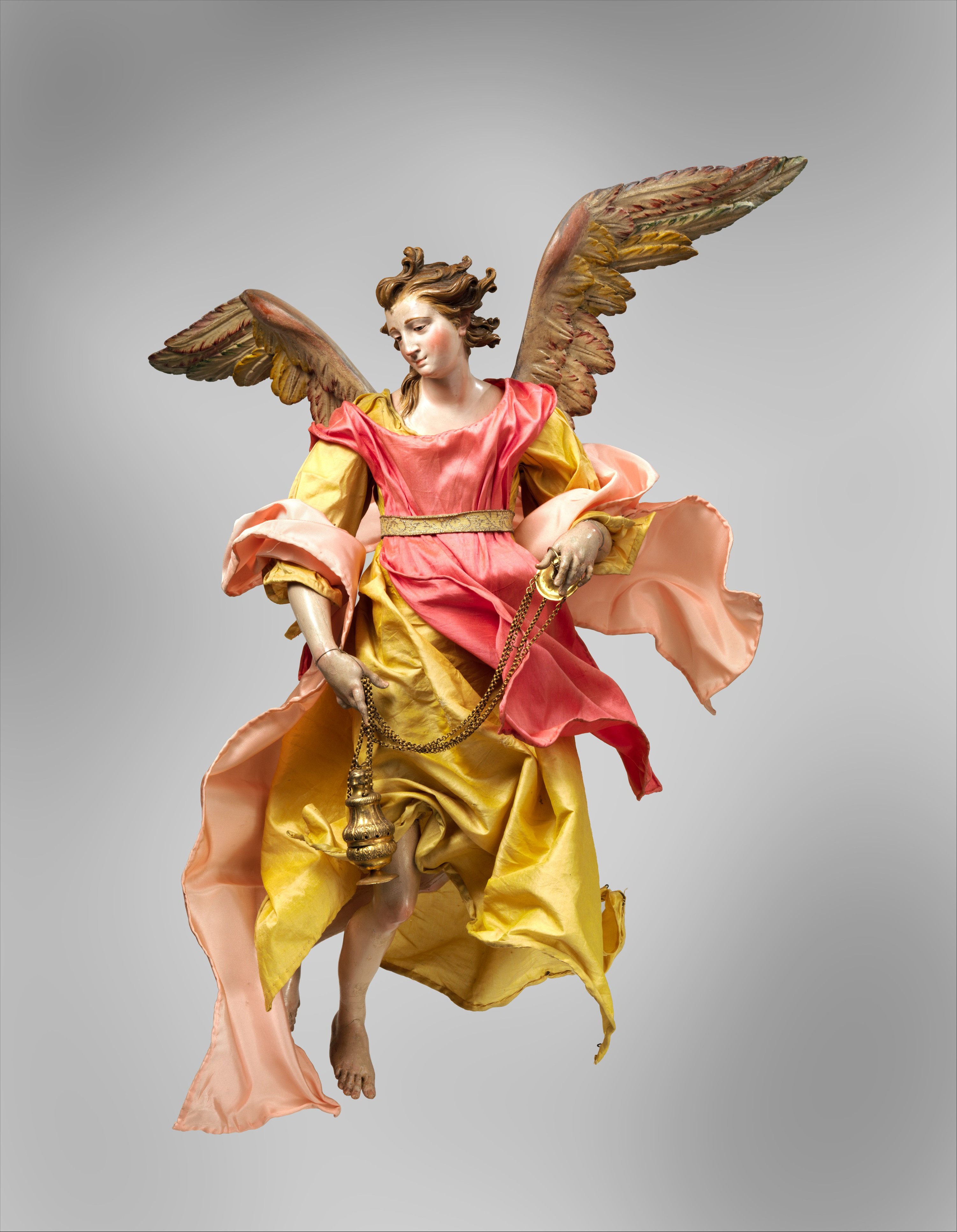
In the crucible of Zoey Fashion Laboratory’s avant-garde atelier, the archetype of the Angel—a being of celestial purity and ethereal grace—undergoes a radical, materialist reimagination. For SS26, the Angel is no longer a divine messenger but a fragmented, post-human artifact, born from the Global Frontier’s collision of ancient craft and industrial decay. The subject’s anatomy—a polychromed terracotta head, wooden limbs and wings, a body of wire wrapped in tow, and assorted fabrics—becomes a blueprint for a new structural vocabulary. This analysis dissects how these disparate elements coalesce into a singular, futuristic silhouette, redefining garment architecture through tension, fragility, and raw materiality. The result is not a costume but a manifesto: a wearable sculpture that interrogates the boundaries between the sacred, the synthetic, and the sustainable.
Material Dialectics: From Terracotta to Tow
The polychromed terracotta head is the anchor of this construct. Terracotta, a material historically associated with ancient statuary and devotional objects, is here stripped of its pedestal and placed atop a skeletal frame. In SS26, this translates into a headpiece or shoulder armor that is both mask and architectural crown. The polychromy—faded, chipped, and deliberately incomplete—introduces a narrative of decay, suggesting a relic unearthed from a future archaeological dig. The wooden limbs and wings serve as structural exoskeletons, their organic grain and rigid geometry opposing the softness of the body. These limbs are not appendages but articulated joints, allowing for dynamic movement and transformation. The wings, carved from salvaged timber, are hinged to fold inward as a protective cocoon or extend outward as a defiant, aerodynamic shield. This duality—static yet kinetic—becomes the core of the silhouette’s tension.
The body of wire wrapped in tow is the most radical departure from traditional couture. Wire, a material of infrastructure and suspension, is here woven into a second skin—a lattice that supports the tow, a coarse, unspun fiber typically used for insulation or cleaning. This juxtaposition of industrial wire and organic tow creates a textural dialogue: the wire’s cold, metallic rigidity contrasts with the tow’s soft, absorbent chaos. The body, then, is not draped but constructed, a tensile structure that exposes the garment’s internal logic. The various fabrics—scraps of silk, linen, and recycled polyester—are not sewn but pinned, tied, or woven into the wire framework. They function as ephemeral membranes, their placement dictated by the body’s movement rather than conventional pattern-making. This is a garment that breathes, shifts, and resists stasis.
Silhouette as Architecture: The Deconstructed Wing
The SS26 silhouette abandons the traditional A-line or hourglass in favor of a deconstructed wing form. The wooden wings, when extended, create a massive horizontal expanse that dwarfs the torso, while the wire-and-tow body remains taut and vertical. This asymmetry—broad above, narrow below—evokes a bird in mid-flight, but one whose feathers are replaced by lattice and fiber. The terracotta head, perched at the apex, becomes a focal point of gravity, its weight counterbalanced by the wooden limbs. The silhouette is not designed to flatter but to provoke; it is a study in balance and imbalance, a critique of the body as a passive canvas.
Structural innovation lies in the articulated joinery of the limbs and wings. Each wooden segment is connected by brass hinges and leather straps, allowing the wearer to adjust the garment’s posture. This is not a static piece but a wearable mechanism. The wire body, meanwhile, is engineered with tension points that tighten or loosen based on the wearer’s movements. When the wings are folded, the wire contracts, compressing the tow into dense, armor-like plates. When extended, the wire stretches, unraveling the tow into a translucent veil. This dynamic transformation is the garment’s signature—a living architecture that responds to the body’s energy.
Futuristic Silhouettes: The Post-Human Angel
In the context of Global Frontier, the Angel is a hybrid being—part organic, part machine. The terracotta head suggests a pre-industrial past, while the wire and tow reference a post-industrial present. The wooden wings, carved from reclaimed timber, nod to sustainability without romanticizing it. This is not a utopian vision of the future but a pragmatic one, where materials are salvaged and repurposed. The silhouette, then, becomes a critique of consumption. The fabrics, sourced from deadstock and discarded garments, are stitched into the wire lattice like scars. The tow, usually a waste product, is elevated to a primary structural element. The Angel is not pristine but patched, not serene but tense.
The futuristic silhouette is further defined by its negative space. The wire body leaves gaps where the skin is exposed, creating a visual porosity. This is not a garment that covers but one that frames, allowing the body to become part of the composition. The wings, when extended, create a halo of shadow, while the terracotta head catches light, its polychromed surface glinting like a shattered mosaic. The overall effect is one of controlled entropy—a system that is both fragile and resilient.
Contextualizing the Avant-Garde: SS26 as a Laboratory of Ideas
Zoey Fashion Laboratory’s SS26 collection positions the Angel as a catalyst for new methodologies. The use of wire and tow challenges the dominance of fabric in couture, while the terracotta and wood introduce a sculptural weight that redefines garment construction. The piece operates at the intersection of fashion, sculpture, and performance, demanding that the wearer become a collaborator. The wings must be activated; the wire body must be worn with intention. This is not a passive garment but an instrument of expression.
The Global Frontier context underscores a commitment to cross-cultural materiality. Terracotta, wood, wire, and tow are not luxury materials but everyday ones, often overlooked. By elevating them to couture, the laboratory questions the hierarchy of materials in fashion. The Angel, in its fragmented state, becomes a symbol of resilience—a being that is broken yet whole, ancient yet futuristic. For SS26, this is the definitive avant-garde statement: a garment that does not merely adorn but deconstructs, reconstructs, and reimagines the very notion of the human form.