Technical Deconstruction: Velvet as a New Genetic Code
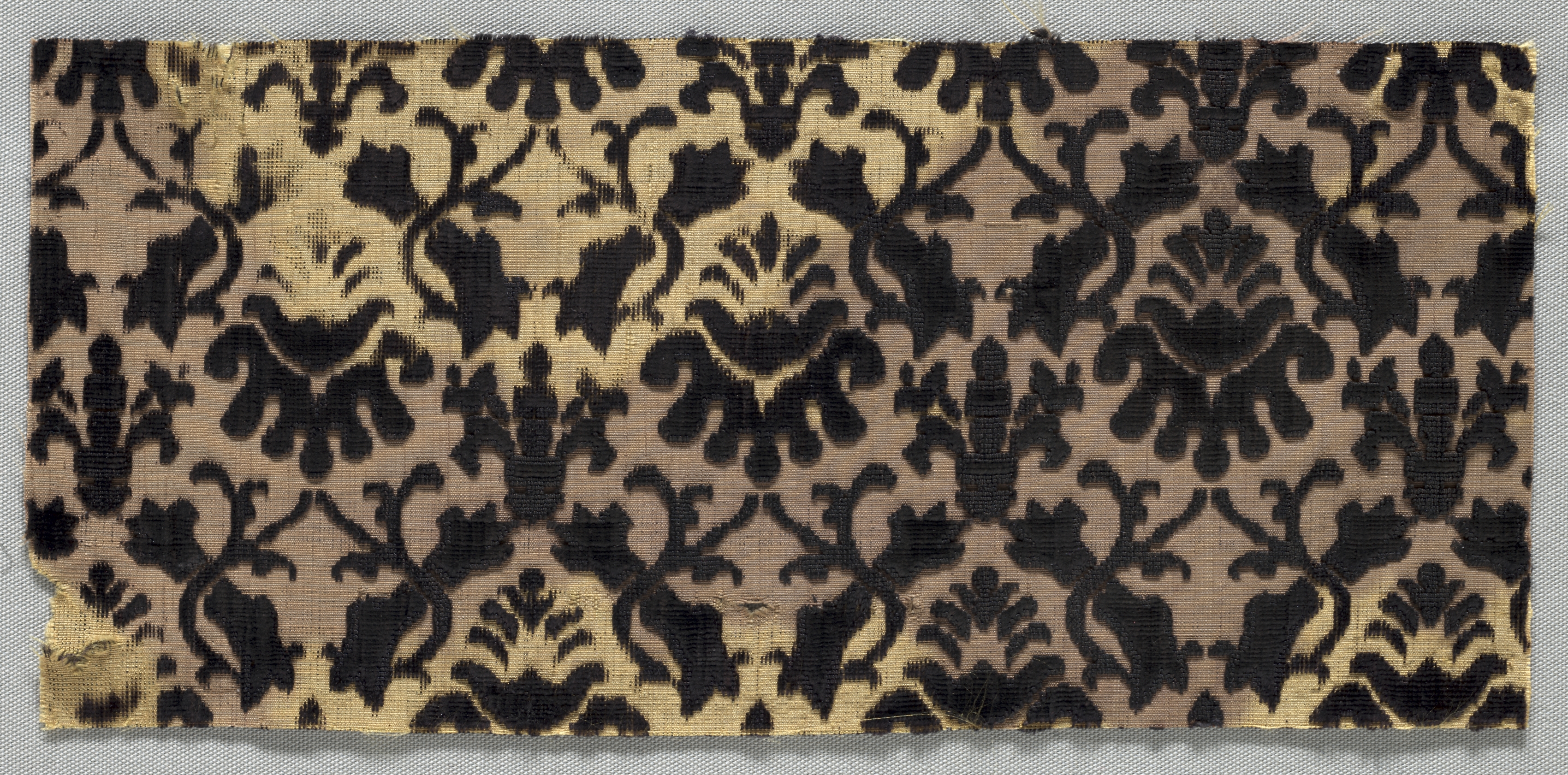
Our analysis begins at the molecular level of the textile itself. Traditional velvet construction—a supplementary warp pile weave—creates its signature surface through a binary system: the ground structure (the base chromosomes) and the pile (the expressed genes). The pile loops are formed over rods during weaving and are later cut to create the plush surface, or left uncut for a looped texture. This is a precise, pre-determined genetic expression.
The avant-garde interpretation, guided by the "New DNA Strand" reference, demands we disrupt this binary. We propose treating the velvet ground not as a static canvas, but as a living substrate. Imagine bio-reactive dyes that alter hue based on body temperature or environmental pH, creating a garment that evolves throughout wear. Consider precision laser etching not just for patterns, but to selectively ablate (remove) pile fibers at a micron level, coding information, textures, or even portraits into the velvet's surface—a literal data strand woven into fabric. Furthermore, we can engineer the pile itself: blending traditional silk with shape-memory polymers or electroluminescent threads. The pile then becomes an interactive field, capable of changing texture or emitting light in response to electrical impulses, creating a dynamic, mutable surface that challenges velvet's historic association with static opulence.
Structural Recombinant Engineering
Moving beyond surface, we must re-engineer velvet's foundational architecture. The 17th-century Italian method prized uniformity and density. Avant-garde principles call for controlled mutation and heterogeneity. We propose multi-level pile heights within a single weave, creating topographical landscapes—ridges, valleys, and plateaus—that play with light and shadow in unprecedented ways. This can be achieved through advanced jacquard techniques and variable tension pile wires.
More radically, we can explore velvet hybridization. Fusing the velvet pile technique with other weave structures—like a sheer mesh ground or a technical neoprene base—creates a recombinant textile. Imagine a garment with velvet "islands" growing from a transparent ground, or a structured blazer with velvet pile emerging only at the seams, tracing the garment's own skeletal blueprint. This deconstructs velvet from an all-over material to a strategic, expressive tissue.
Historical Deconstruction: Mutating the Baroque Genome
The 17th-century Italian Baroque context is our inherited genetic code—a genome of excess, drama, and power. Velvet was the somatic expression of this code, worn by the aristocracy and the church to project divine authority and immense wealth. Its darkness absorbed light, its richness resisted touch, it was a fabric of distance and spectacle.
Our avant-garde mandate requires a deliberate mutation of these historical alleles. We do not reject this DNA; we splice it.
- From Opulence to Tactile Vulnerability: Baroque velvet was armor. We reinterpret it as a second skin, emphasizing its sensuous, tactile nature against the body rather than as a barrier from the world. This means cuts that cling, drape, and reveal, using velvet's weight and fall to create intimate, personal sculpture.
- From Sacred Spectacle to Personal Narrative: Where velvet once adorned altars and thrones, we imbue it with micro-narratives. Using the technical interventions described above, we can encode personal data—a heartbeat rhythm, a line of poetry, a digital fingerprint—into the fabric's very structure. The garment becomes a biographical archive, not a uniform of status.
- From Uniform Darkness to Chromatic Disruption: While maintaining the profound depth that defines velvet, we introduce unexpected chromatic interventions: acid brights bleeding from within a black pile, iridescent finishes that fracture color, or the use of completely non-traditional hues like a hyper-saturated neon velvet or a desaturated, concrete grey. This breaks the historical color code while honoring the fabric's light-absorbing potential.
The Avant-Garde Silhouette: A Morphological Shift
The final expression of this deconstructed velvet is in the silhouette. The Baroque favored grandiose, structured forms—cassocks, gowns, and capes that created imposing silhouettes. The new velvet, with its engineered properties, demands a morphological shift.
We propose biomorphic, fluid shapes that exploit velvet's heavy drape to create liquid, cascading forms. Alternatively, we can use technically fused velvet hybrids to create rigid, geometric architectures that contrast starkly with the softness of the pile—a hard shell lined with plush vulnerability. Asymmetric cuts, exposed seams that reveal the textile's "root structure," and modular garments that can be reconfigured speak to a contemporary ethos of complexity, adaptability, and deconstructed beauty.
Conclusion: The Recombinant Velvet Organism
For Zoey Fashion Lab, velvet is no longer a relic of the Baroque. It is a recombinant organism. We have extracted its historic and technical DNA—the pile, the depth, the gravity—and spliced it with the genes of biotechnology, personal data, and avant-garde morphology. The result is a next-generation textile system: responsive, narrative, and structurally innovative.
This analysis moves beyond using velvet as a mere aesthetic reference. It proposes a framework where the fabric itself becomes a co-designer, its very fibers and weave participating in the creation of meaning and form. The "New DNA Strand" is a double helix: one strand is the rich, complex history of Italian craftsmanship; the other is the disruptive, speculative code of the future. Our collection will be the expression of this bold, new genetic material.