Deconstructing the Edo Actor Portrait: An Avant-Garde Analysis for Zoey Fashion Lab
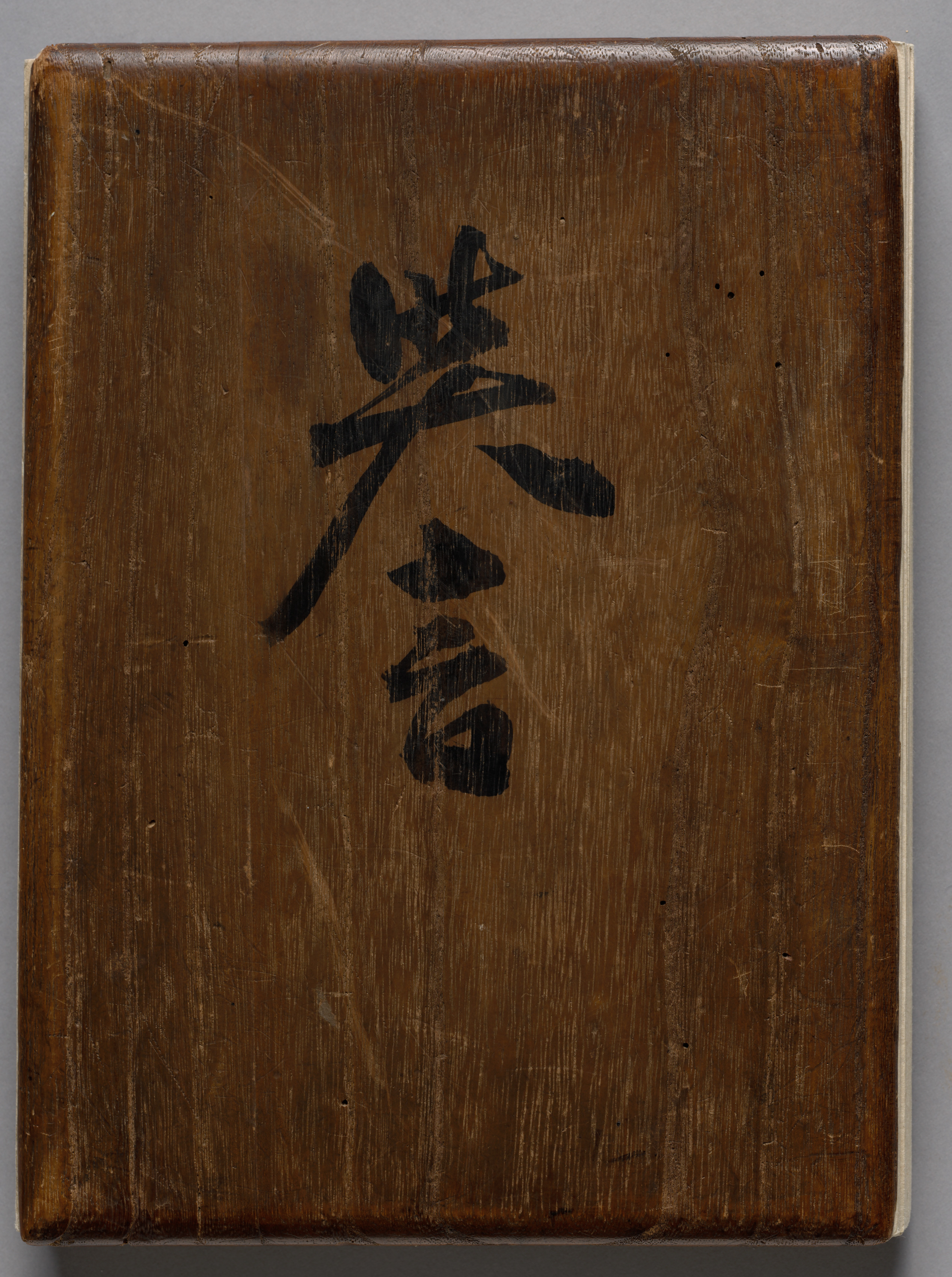
At Zoey Fashion Lab, our mission is to weave the historical into the hyper-modern, extracting the genetic code of design from artifacts of the past. The subject of this analysis—a Japanese Edo-period (1615–1868) accordion-style album of actor portraits—presents a rich, paradoxical DNA strand for avant-garde fashion. Created with ink and color on silk mounted on paper, and ink on paper, these portraits of Kabuki actors are not merely historical documents; they are living blueprints for deconstruction, theatricality, and structural innovation. This analysis will dissect the album’s technical, aesthetic, and cultural elements, proposing how they can be reinterpreted into a cutting-edge collection that challenges traditional silhouettes and materiality.
Technical DNA: The Accordion Structure and Materiality
The album’s accordion-style binding (orihon) is the first critical strand. Unlike a codex, this format unfolds horizontally, creating a continuous, segmented plane. For Zoey Fashion Lab, this translates directly into a modular garment system. Imagine a coat or dress constructed from hinged panels—fabric stiffened with resin or metallic interfacing—that can be folded, expanded, or collapsed. This allows the wearer to alter the silhouette in real-time: from a streamlined column to a voluminous, pleated structure reminiscent of a theatrical curtain. The accordion pleat itself becomes a signature technique, not just as a decorative element but as a functional architectural joint.
The materials—ink and color on silk mounted on paper—offer a dialogue between fragility and permanence. Silk, a quintessential luxury fabric, is here treated with the permanence of ink, suggesting a tension between fluidity and rigidity. For our avant-garde collection, we can explore this by using silk organza layered with hand-painted, conductive ink patterns that react to body heat or light. Alternatively, we might deconstruct the mounting process: paper-backed silk can be reinterpreted as bonded or laminated textiles, where a sheer, delicate face fabric is fused with a structural backing (e.g., Tyvek or recycled paper pulp). This creates a material that is both painterly and architectural, allowing for sharp, sculptural folds that hold their shape.
Aesthetic DNA: Theatricality and the Gaze
Edo-period actor portraits are inherently theatrical. They capture Kabuki performers in exaggerated poses, with dramatic makeup (kumadori) and elaborate costumes. The gaze is direct, confrontational, and performative. For Zoey Fashion Lab, this translates into a collection that embraces exaggerated proportions and hyper-defined lines. Think of shoulders that extend into sharp, asymmetrical points—like a Kabuki actor’s shoulder armor (kamishimo)—or sleeves that trail into floor-length, detachable trains. The kumadori makeup, with its bold red, white, and black lines, can be abstracted into graphic, painted-on seams or laser-cut appliqués that mimic the dramatic contours of the face.
The album’s format—a series of portraits—suggests a narrative sequence. Each panel is a distinct character or moment. In fashion, this can be realized as a collection where each garment tells a story, but the collection itself is a cohesive album. A single look might consist of multiple, interchangeable components: a modular vest that can be worn as a separate top or attached to a skirt, creating a new silhouette with each configuration. The accordion structure allows for this: zippers, magnets, or hidden toggles can serve as the “hinges” between panels, enabling the wearer to change the garment’s narrative throughout the day.
Cultural DNA: Subversion and Status
Kabuki actors were both celebrated and marginalized in Edo society—they were stars of a floating world (ukiyo) that existed outside rigid social hierarchies. Their portraits were a form of subversive celebrity culture. For an avant-garde label, this invites a commentary on modern fame and identity. The actor’s persona is a mask, a constructed identity. Our collection can explore this through transformable garments that conceal or reveal. A dress might have a detachable overskirt that, when removed, reveals a completely different structural silhouette—a nod to the actor’s ability to switch roles. The use of mirror-like finishes or reflective materials on certain panels can create a fragmented, kaleidoscopic effect, forcing the viewer to question what is real and what is performance.
The status symbolism of the actors’ costumes—rich brocades, intricate crests (mon), and layered robes—can be deconstructed. Instead of reproducing these symbols, we can abstract them into graphic prints derived from the album’s brushstrokes. The mon (family crest) becomes a repeating, distorted motif in a digital print, scaled to an overwhelming size or reduced to a micro-pattern. The layering of robes (kosode, hakama, uchikake) can be reinterpreted as transparent overlays—sheer tulle or organza panels that float above a solid base, creating depth without bulk. This respects the original layering while achieving a modern, weightless effect.
New DNA Strand: Synthesis into Avant-Garde Fashion
The synthesis of these elements yields a New DNA Strand for Zoey Fashion Lab: a collection that is theatrical, modular, and materially innovative. The key pieces might include:
- The Accordion Coat: A long, floor-length coat constructed from 10-12 stiffened silk panels, each hinged via custom metal grommets. The panels are hand-painted with abstracted kumadori lines in black, red, and white. The coat can be worn fully extended for a dramatic, cape-like silhouette, or folded into a compact, sculptural vest.
- The Portrait Skirt: A high-waisted, A-line skirt made from laminated silk and paper. The front panel features a large-scale, digital print of an actor’s face, but with the eyes replaced by mirrored discs. The back panel is a series of accordion pleats that expand with movement, referencing the album’s unfolding structure.
- The Modular Bodice: A corset-like top with detachable sleeves and a collar that can be reconfigured. The sleeves are shaped like Kabuki actor’s padded shoulders but are made from lightweight, 3D-printed polymer. The collar is a stiff, folded silk fan that can be worn open or closed, altering the neckline.
- Footwear: Platform sandals with exaggerated, blocky heels that mimic the geta (wooden clogs) of Edo actors, but rendered in translucent resin with embedded ink drawings.
Conclusion: The Actor as Avant-Garde Muse
The Edo-period actor portrait album is far more than a historical curiosity. It is a repository of structural, aesthetic, and cultural DNA that, when deconstructed and recombined, yields a potent avant-garde collection. By focusing on the accordion binding, we achieve modularity and transformation. By embracing theatricality, we create garments that demand attention and challenge the viewer. By engaging with material contrasts—silk and paper, ink and color—we innovate in textile construction. Zoey Fashion Lab’s interpretation of this album will not merely reference the past; it will reanimate it, allowing the spirit of the Kabuki actor—bold, subversive, and constantly in flux—to walk the runway of the future.