Deconstructing the Global Frontier: The Panel as Architectural Canvas for SS26
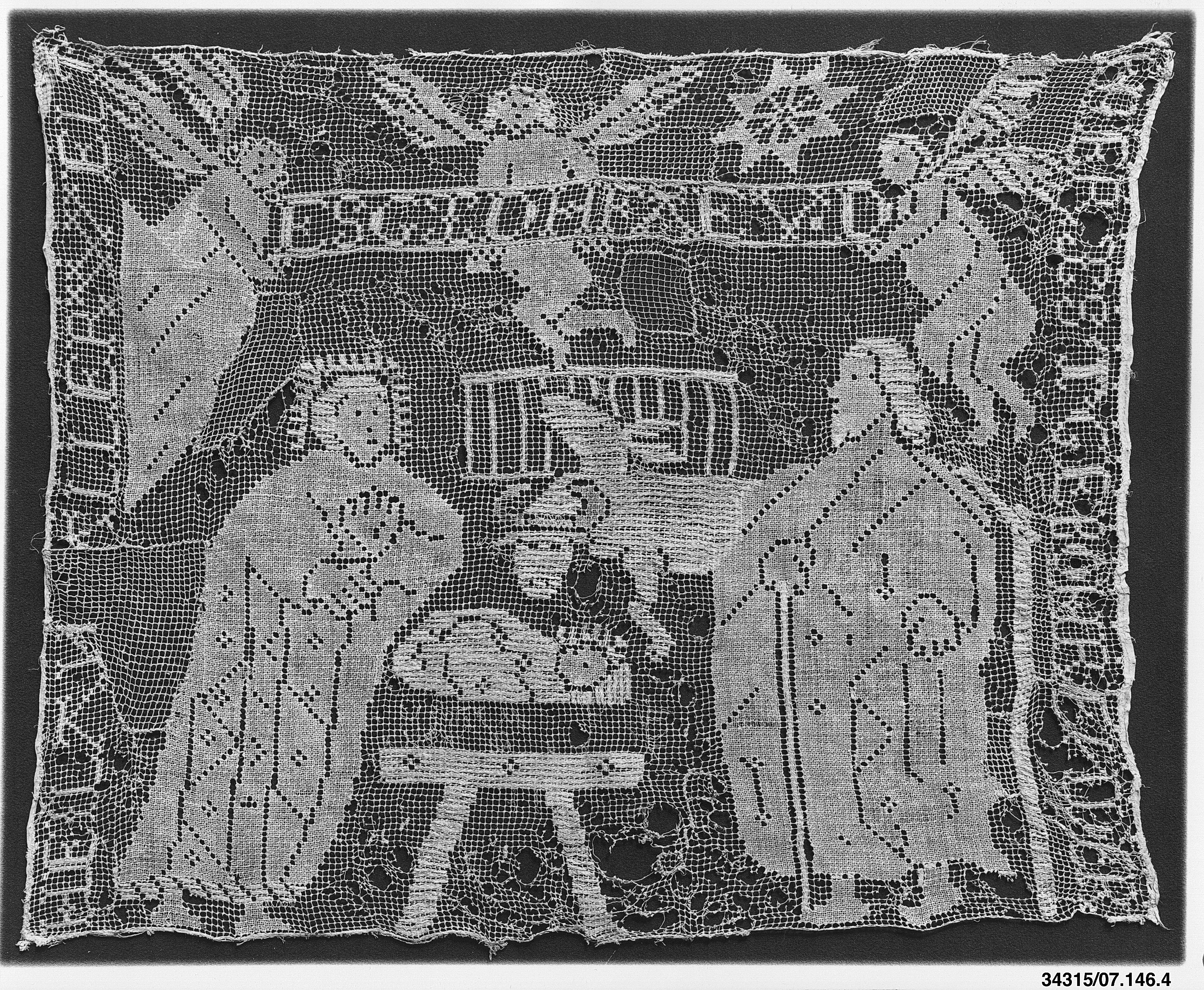
The avant-garde landscape for Spring/Summer 2026 demands a radical departure from the fluid, organic forms that have dominated recent seasons. At Zoey Fashion Laboratory, we introduce a definitive study of the Panel—not as a mere component of garment construction, but as a sovereign architectural entity. This analysis dissects the panel’s evolution from a functional segment into a dynamic, structural protagonist, executed through a rigorous synthesis of embroidered net, punto à tela, and punto à rammendo. The result is a collection that redefines the silhouette as a mutable, futuristic construct, born from the tension between rigid geometry and ethereal transparency.
The Panel as Structural Autonomy
In conventional couture, the panel serves as a subordinate element—a means to an end. Our SS26 thesis inverts this hierarchy. Each panel is conceived as an independent, load-bearing architectural module. Through punto à tela, a dense, warp-faced stitch traditionally used for embroidery reinforcement, we transform the net base into a rigid, almost skeletal framework. This technique creates a lattice of precision, where each thread acts as a structural beam. The panels are no longer sewn together; they are interlocked through strategic seams that function as hinges, allowing the garment to shift and reconfigure as the wearer moves.
The embroidered net acts as the canvas for this structural dialogue. Unlike opaque fabrics, the net retains transparency, creating a visual tension between the solidity of the stitch work and the emptiness of the void. The panel becomes a screen for light and shadow, where the punto à rammendo—a darning stitch that mimics woven fabric—fills selected areas with dense, tactile patches. These patches are not decorative; they are functional counterweights, redistributing the garment’s center of gravity. A shoulder panel, for instance, might feature a dense, rammendo-infused quadrant that pulls the silhouette forward, creating a futuristic, asymmetrical cantilever effect.
Futuristic Silhouettes: The Kinetic Architecture of the Body
The silhouette for SS26 is defined by geometric disjunction. Gone are the flowing, draping lines of past seasons. Instead, the panel system generates sharp, angular forms that mimic digital modeling—a nod to the Global Frontier’s intersection with virtual design. A dress might consist of three primary panels: a front panel with a severe, triangular décolletage formed by punto à tela ribs; a side panel that extends into a rigid, almost mechanical hip flare; and a back panel that remains almost entirely net, revealing the spine as a structural axis.
The punto à rammendo technique is deployed to create negative-space silhouettes. By darning in concentric, grid-like patterns, we generate openings that are not merely cutouts but systematic voids. These voids allow the body to peek through as a fragmented landscape. A jacket’s sleeve, for example, might be constructed from a single panel of embroidered net, with punto à rammendo forming a spiral pattern that exposes the forearm while the shoulder remains encased in a dense, almost armor-like shell. This interplay between opacity and transparency creates a silhouette that is both protective and revealing—a futuristic paradox.
Material Logic: Embroidered Net, Punto à Tela, and Punto à Rammendo
Each material and stitch is chosen for its structural intelligence. The embroidered net—a base of fine, hexagonal mesh—provides the necessary flexibility while demanding a rigid counterpoint. The punto à tela stitch, executed in monofilament or metallic thread, introduces a tensile strength that mimics carbon fiber. This is not embroidery as ornament; it is embroidery as engineering. The stitch lines follow the body’s natural stress points—along the spine, across the scapulae, down the femur—creating a second skeleton that supports the net’s inherent fragility.
The punto à rammendo serves as the repairing and reinforcing agent. In traditional Italian embroidery, this stitch mends worn fabric. Here, it is used to build new structures from the net’s voids. By darning in irregular, organic patterns, we create textured surfaces that contrast with the machine-like precision of punto à tela. This duality—the organic versus the mechanical—is central to the Global Frontier aesthetic. A bodice might feature a front panel with punto à tela forming a rigid, geometric cage, while the back panel is entirely punto à rammendo, creating a soft, almost knitted texture that breathes with the wearer’s movement.
Structural Innovation: The Panel as Generative System
The true innovation lies in the panel’s modularity. Each garment is designed as a system of interchangeable panels, connected through invisible magnetic closures or tension-based seams. This allows the wearer to reconfigure the silhouette—a jacket becomes a vest; a skirt transforms into a top. The embroidered net panels are pre-stressed with punto à tela ribs that dictate their shape, while the punto à rammendo patches act as flexible hinges. This system not only challenges the permanence of couture but also aligns with the Global Frontier’s ethos of adaptive, digital-age design.
Consider a trench coat constructed from eight panels. The front panels are dense with punto à tela, creating a sculpted, almost armor-like chest. The side panels are primarily net, allowing air and light to pass through. The back panel features a spiral of punto à rammendo that, when the wearer moves, creates a kinetic pattern—a living textile. The sleeves are detachable, each a standalone panel that can be worn as a separate armature. This modularity is not a gimmick; it is a structural necessity that allows the garment to adapt to different environments, from a climate-controlled gallery to an open-air frontier.
Conclusion: The Panel as a Manifesto
Zoey Fashion Laboratory’s SS26 analysis repositions the panel as the fundamental unit of avant-garde couture. Through the rigorous application of embroidered net, punto à tela, and punto à rammendo, we have created a collection that is not merely worn but inhabited. The silhouette is no longer a static shape but a dynamic, architectural system that responds to the body and its environment. This is the Global Frontier—a landscape where tradition and technology converge, and where the panel becomes a canvas for the future of fashion. The study is definitive, but the possibilities are infinite.