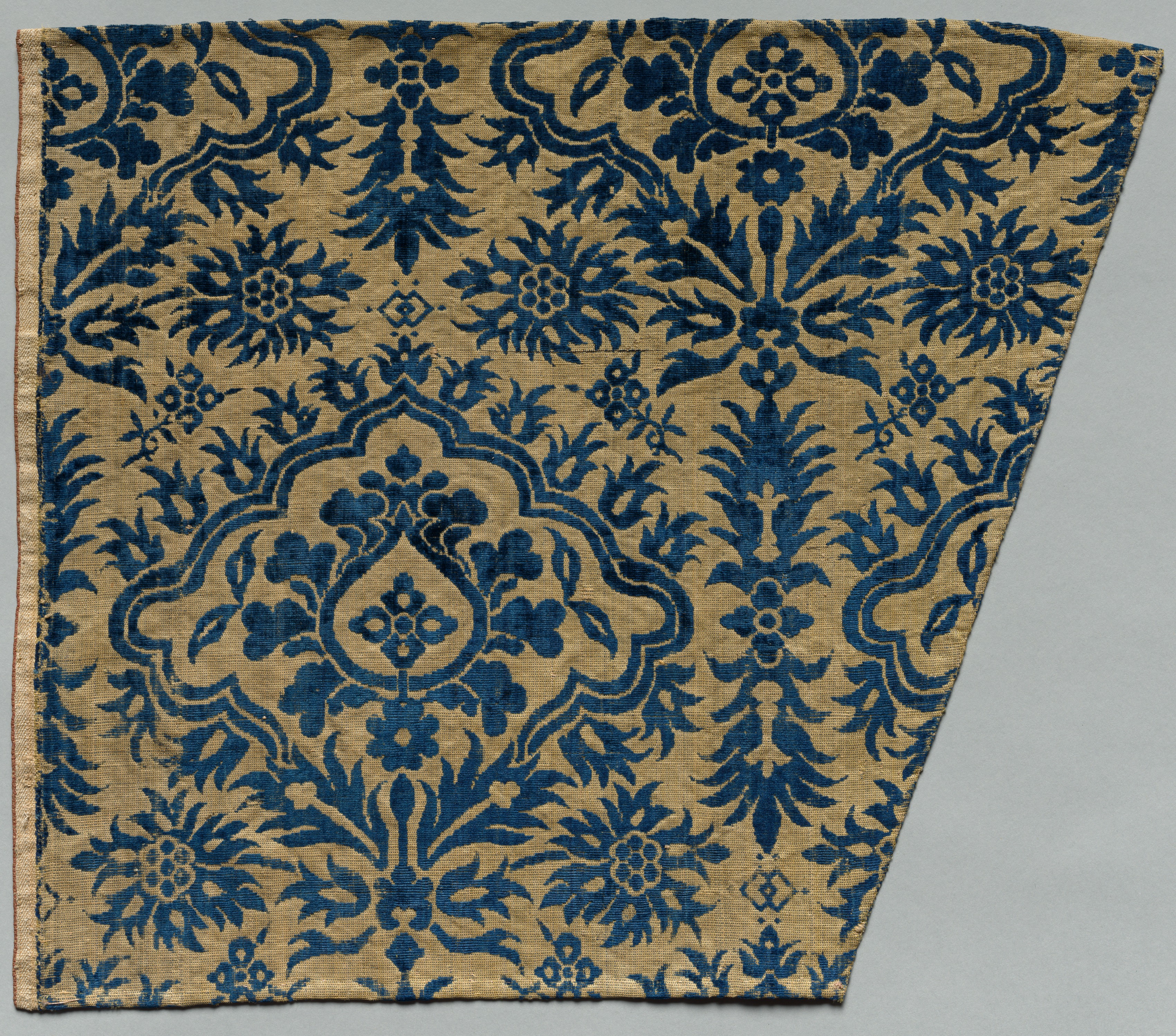
Deconstructing Velvet: A 17th-Century Chinese Textile Reimagined as an Avant-Garde DNA Strand
Introduction: The Paradox of Velvet in Modern Deconstruction
As the Chief Fabric Deconstructionist at Zoey Fashion Lab, I approach every textile as a living archive—a repository of cultural memory, technical mastery, and sensory potential. Velvet, originating in 17th-century China, presents a particularly rich paradox. Historically, it was a symbol of imperial opulence, reserved for the elite and woven with painstaking precision. Today, we are tasked with deconstructing this heritage fabric not to diminish its legacy, but to reanimate it through an avant-garde lens. Our reference—the New DNA Strand—serves as a conceptual and structural blueprint. Just as DNA encodes biological information through helical twists and base pairs, velvet encodes tactile, visual, and historical data through its pile, weave, and dye. By treating velvet as a genetic sequence, we can unravel its traditional constraints and recombine its elements into a form that challenges both fashion and fabric science.
Historical Context: The 17th-Century Chinese Velvet
Velvet’s journey to China in the 17th century marked a transformative moment in global textile history. Imported via the Silk Road, it was adapted by Chinese artisans who integrated it into their own sophisticated weaving traditions. Chinese velvet of this era was characterized by cut pile—loops of silk thread sheared to create a dense, soft surface—and often featured intricate patterns, such as dragons or floral motifs, woven in contrasting colors. The technical mastery required to produce such fabric was immense: each strand of silk had to be meticulously aligned, and the pile height needed to be uniform to achieve that signature luster. This velvet was not merely decorative; it was a statement of power, wealth, and cultural sophistication. Its weight, drape, and the way it caught light made it a medium for storytelling, often used in court robes, ceremonial hangings, and religious vestments.
However, this historical context also imposes limitations. Traditional velvet is static—its beauty lies in its perfection, its refusal to yield to change. The fabric’s dense pile resists manipulation; its silk fibers are delicate and prone to crushing. For an avant-garde designer, this rigidity is a challenge—and an opportunity. By deconstructing the 17th-century velvet, we can strip away its ceremonial weight and expose the raw, structural DNA beneath.
Technical Analysis: Velvet as a Textile System
From a technical standpoint, velvet is a woven pile fabric, typically composed of a ground weave (warp and weft) and an additional pile warp that forms loops. In 17th-century Chinese velvet, the pile warp was often made of silk, while the ground could be silk or cotton. The pile height, density, and twist direction all contribute to the fabric’s hand feel and optical properties. The New DNA Strand reference invites us to view velvet not as a finished product, but as a sequence of repeatable units—like nucleotides. Each pile loop is a base pair; the ground weave is the backbone. By manipulating these units—changing their spacing, height, or orientation—we can create new “genetic” expressions of velvet.
For example, traditional velvet relies on uniform pile height for its smooth surface. An avant-garde deconstruction might involve variable pile heights, creating a topographical landscape that mimics the twists and turns of a DNA helix. Alternatively, we could selectively cut or leave loops uncut, producing a hybrid of velvet and terry cloth that plays with texture and light absorption. The 17th-century Chinese velvet’s use of silk also offers a unique opportunity: silk’s natural protein structure can be dyed with reactive dyes, allowing for gradient or ombré effects that simulate the sequencing of genetic code. By treating the fabric as a programmable surface, we can embed visual “mutations” that tell a story of evolution and transformation.
Avant-Garde Application: The DNA Strand as Design Catalyst
The avant-garde style demands a rupture with convention—a deliberate disruption of form, function, and expectation. Applying the DNA strand metaphor to velvet deconstruction involves three key interventions: structural unweaving, genetic recombination, and sensory mutation.
Structural Unweaving: We begin by physically deconstructing the velvet. Using laser cutting or hand-fraying techniques, we can remove sections of the pile, exposing the ground weave beneath. This creates a “ladder” effect reminiscent of a DNA helix’s double strand. The exposed ground weave can be further manipulated—dyed in contrasting colors or left raw—to emphasize the fabric’s underlying architecture. This process is not destructive but revelatory, revealing the hidden logic of the weave.
Genetic Recombination: Next, we recombine elements of the velvet with other materials. For instance, we can embed metallic threads into the pile, creating conductive pathways that resemble the hydrogen bonds between base pairs. Or we can layer velvet with sheer organza, allowing the pile to peek through like genetic markers. This recombination extends to form: a traditional velvet robe can be cut into strips and reassembled into a helical silhouette, where the fabric wraps around the body in a spiral, mimicking the DNA structure. The avant-garde designer might also incorporate digital printing onto the velvet, mapping actual DNA sequences onto the fabric’s surface—a literal encoding of life into textile.
Sensory Mutation: Finally, we alter the velvet’s sensory properties. Traditional velvet is known for its softness and warmth, but an avant-garde version might introduce contrasting textures: rough, frayed edges; stiff, resin-coated pile; or even thermochromic dyes that change color with body heat, making the fabric responsive to the wearer. This mutation transforms velvet from a passive material into an active participant in the garment’s narrative. The 17th-century Chinese velvet’s historical association with stillness and opulence is subverted; instead, the fabric becomes dynamic, mutable, and alive.
Conclusion: Velvet as Living Archive
Deconstructing 17th-century Chinese velvet through the lens of the New DNA Strand is not an act of erasure, but of reanimation. By treating the fabric as a genetic sequence, we honor its historical complexity while pushing it into new, avant-garde territories. The resulting textile is a hybrid—part heritage, part science fiction—that challenges our understanding of what fabric can be. At Zoey Fashion Lab, we believe that deconstruction is a form of storytelling, and velvet’s story is far from over. By unweaving its past and recombining its elements, we create a fabric that speaks to the future: a living, breathing strand of fashion DNA that continues to evolve.