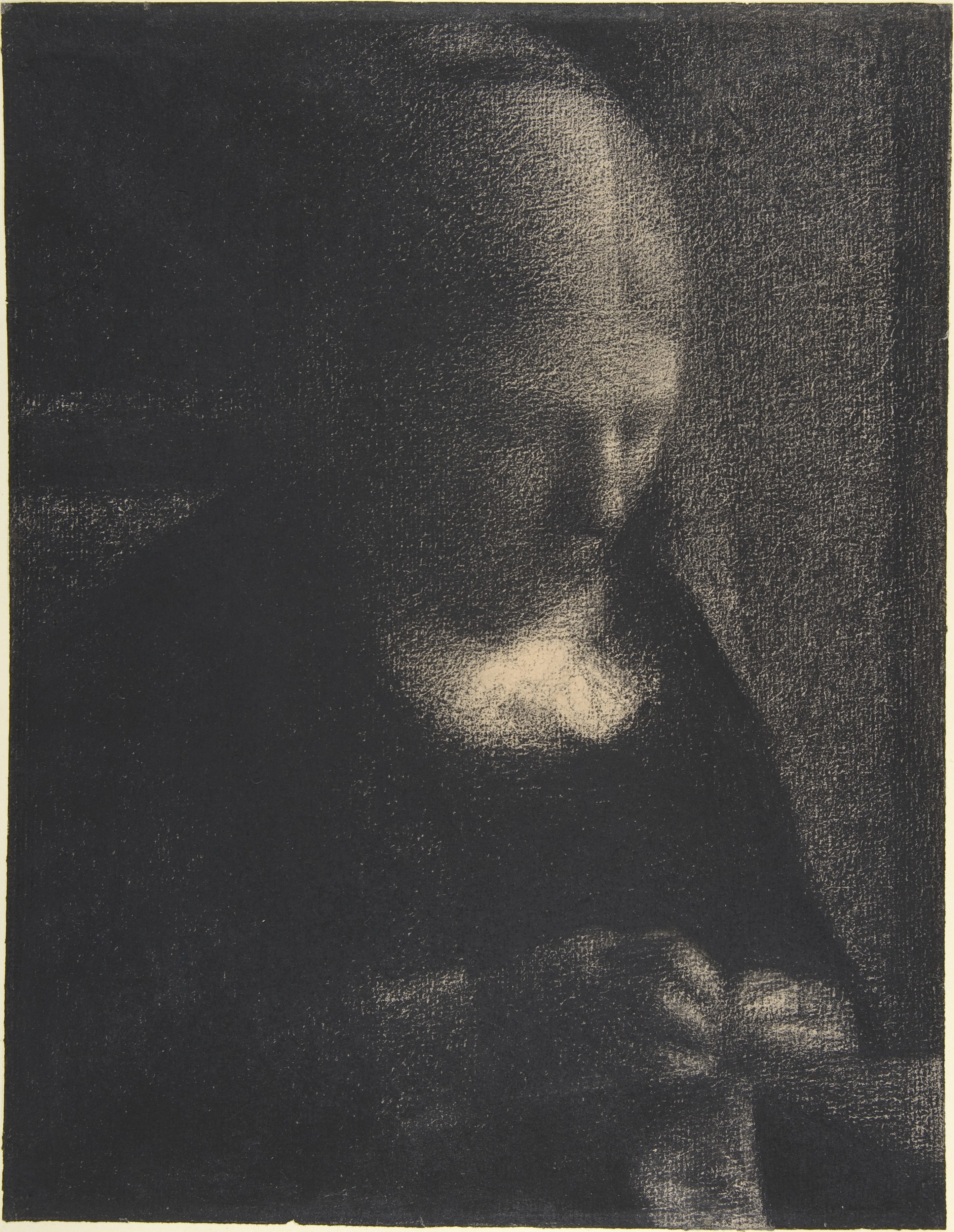
The Artist’s Mother: A Deconstructive Embroidery Manifesto for SS26
In the crucible of Zoey Fashion Laboratory’s avant-garde frontier, the SS26 collection emerges not as a nostalgic homage but as a radical re-scripting of maternal archetypes through the lens of deconstructive embroidery and structural innovation. The subject—“The Artist’s Mother”—is dissected not as a sentimental figure, but as a cartographic matrix of memory, labor, and material transgression. Using Conté crayon as the primary medium, we traverse a global frontier where embroidery becomes a form of architectural drawing on the body, challenging the boundaries between textile, sculpture, and ephemeral art. This analysis deconstructs the interplay of futuristic silhouettes, raw materiality, and the mother as a site of both origin and rupture.
Deconstructive Embroidery: The Stitch as a Mark of Violence and Care
Embroidery, historically coded as feminine domesticity, is here weaponized and reimagined as a deconstructive act. In the SS26 context, the stitch is no longer a tool of ornamentation but a method of structural disruption. The Conté crayon—a medium of dry, chalky intensity—is applied to unprimed canvas and sheer organza, creating a friction between the drawn line and the embroidered thread. The mother’s silhouette emerges through unfinished seams and exposed basting, as if the garment is perpetually in the process of being both constructed and unraveled. This duality mirrors the maternal figure: a source of creation and dissolution, a body that is both present and absent.
The embroidery itself employs asymmetrical geometric motifs—fractured circles, interrupted spirals, and jagged diagonals—that evoke the mother’s hands in motion. Each stitch is a deliberate scar, a mark of emotional labor that refuses to be polished. The Conté crayon adds a layer of graphic immediacy, smudging and bleeding into the fabric, creating a tension between the permanence of thread and the ephemerality of chalk. This is embroidery as archaeological excavation: the mother’s body is unearthed, not idealized.
Futuristic Silhouettes: The Mother as Cyborg and Architect
The silhouettes for SS26 reject the soft, draped maternal forms of tradition. Instead, they embrace cyborgian hybridity and architectural rigidity. Shoulders are exaggerated into cantilevered planes, referencing both protective armor and the weight of care. The waist is cinched not by a belt but by structural boning that mimics the ribcage—a skeleton exposed as both vulnerability and strength. The Conté crayon is used to draw blueprint-like lines directly onto the fabric, transforming the garment into a living schematic of the mother’s lived experience.
A key silhouette is the “Matriarchal Cocoon”—a jacket that extends into a cape-like structure, embroidered with thousands of Conté-drawn threads that form a neural network of memory. The sleeves are detached, held by magnetic closures that allow for disassembly, echoing the mother’s role as both anchor and release. The hemline is uneven, deconstructed into jagged tiers, each layer representing a phase of gestation, labor, and loss. This is not a garment of comfort but of futuristic resilience—a second skin that is both biological and mechanical.
Material Innovation: Conté Crayon as a Structural Agent
The choice of Conté crayon as a primary material is a deliberate departure from conventional embroidery threads. Traditionally used for drawing and sketching, the crayon is here embedded into the fabric’s weave through a process of heat-set fixation and laser-etching. The result is a tactile, granular surface that shifts from matte to sheen depending on the angle of light. This material behaves like a living pigment, absorbing and reflecting the mother’s narrative as a series of smudged, unfinished marks.
In terms of structural innovation, the Conté crayon is used to create weighted drapery by applying thick layers to specific zones—such as the collarbone, hip, and spine—creating asymmetrical tension that forces the garment into unexpected folds. This technique, termed “chalked armature,” allows the fabric to hold its shape without traditional interfacing, offering a sustainable alternative to synthetic boning. The crayon’s carbon-based composition also introduces a conductive element, enabling future iterations to incorporate embedded sensors that respond to the wearer’s heartbeat—a literal pulse of the mother’s presence.
Global Frontier: The Mother as a Transcultural Cartography
The global frontier of SS26 is not a single geography but a collage of maternal archetypes drawn from across cultures. The Conté crayon motifs reference West African adinkra symbols, Japanese boro stitching, and Indigenous Australian dot painting, all recontextualized through a deconstructive lens. The mother’s body becomes a map of migration, with embroidered lines tracing routes of displacement and care networks. The crayon’s earth tones—umber, sienna, charcoal—evoke soil, blood, and ash, grounding the futuristic silhouettes in a primal, global memory.
A standout piece is the “Diaspora Dress”, where the Conté crayon is applied in concentric rings around the torso, each ring representing a generation of maternal knowledge. The embroidery is deliberately incomplete, with threads trailing off into frayed ends, symbolizing the fragmented transmission of heritage. The silhouette is volumetric, with a bell-shaped skirt that expands into a geodesic dome—a nod to both the mother’s womb and the architect’s blueprint. This is a garment that negotiates between the local and the planetary, the intimate and the infinite.
Structural Innovation: From Garment to Environment
The final frontier of this analysis is the transition from garment to environment. The SS26 pieces are designed to be modular and expandable, transforming from body-worn sculpture to spatial installations. The Conté crayon’s chalky residue is intentionally unstable, allowing the wearer to re-draw the garment’s surface over time. This introduces a performative temporality—the mother’s narrative is never fixed but perpetually rewritten. The embroidery itself is detachable, with panels that can be rearranged using magnetic fasteners, creating a living system of care that adapts to the wearer’s emotional and physical needs.
In conclusion, Zoey Fashion Laboratory’s SS26 embroidery study on “The Artist’s Mother” is a radical redefinition of maternal iconography through deconstructive aesthetics and futuristic materiality. By weaponizing the Conté crayon as both a structural and narrative agent, the collection challenges the boundaries of couture, transforming the mother from a static symbol into a dynamic, cyborgian entity. This is not a garment of nostalgia but a blueprint for resilience—a testament to the mother as the ultimate avant-garde architect of the human condition.