The Deconstruction of Opulence: Silk, Metal, and Velvet in the SS26 Avant-Garde Frontier
The SS26 season demands a radical redefinition of luxury, one that transcends mere ornamentation to embrace a philosophy of structural tension and material paradox. For Zoey Fashion Laboratory, the global frontier is not a geographical boundary but a conceptual one, where silk and metal thread converge on velvet to forge a new lexicon of futuristic silhouettes. This analysis dissects the architectural innovations inherent in this unlikely material marriage, exploring how the soft, plush depth of velvet becomes a canvas for the rigid, luminous insistence of metal, creating garments that are less clothing and more wearable artifacts of a post-human aesthetic.
Material Dialectics: The Velvet Substrate and the Metallic Implant
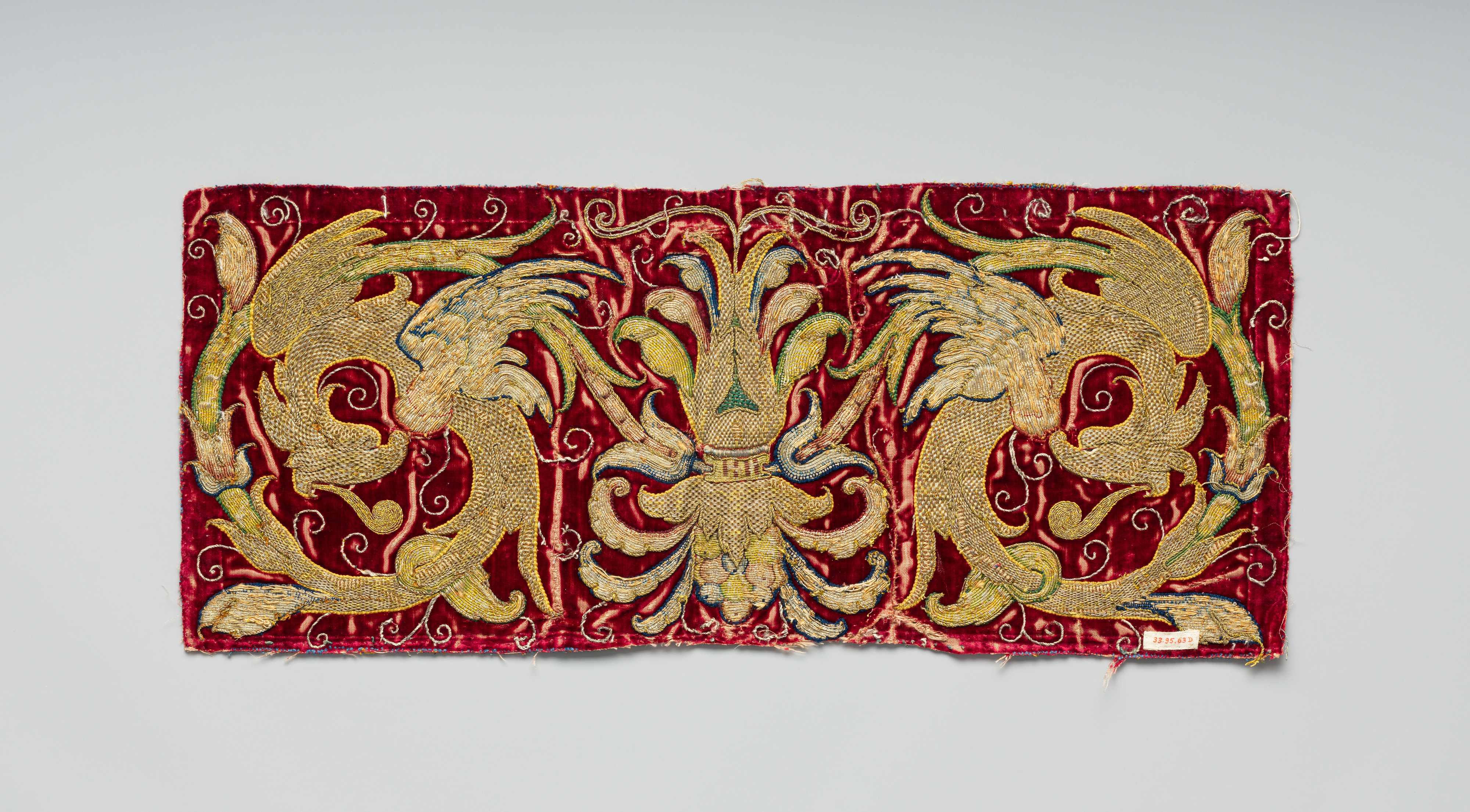
Velvet, historically associated with Renaissance opulence and aristocratic repose, is here violently recontextualized. Its pile—a field of standing fibers—captures light in a diffuse, absorptive manner, creating a visual weight that is both heavy and liquid. In the SS26 collection, this traditional softness is not negated but rather interrogated. The silk base provides the drape and fluidity necessary for movement, while the metal thread—woven with surgical precision—acts as an exoskeletal intervention. This is not embroidery in the conventional sense; it is structural reinforcement. The metal threads are laid in geodesic patterns, creating tension lines that pull the velvet into angular, almost architectural folds. The result is a fabric that possesses a dual nature: a supple skin on the inside and a rigid, reflective carapace on the surface. This dialectic between the organic (silk, velvet’s nap) and the inorganic (metal) generates a visual friction that is the collection’s core intellectual property.
Futuristic Silhouettes: The Body as a Load-Bearing Structure
The silhouettes for SS26 abandon the human form as a passive mannequin. Instead, the body becomes an active participant in a load-bearing system. The garments are engineered as self-supporting structures, often defying gravity through the strategic use of the metal thread’s tensile strength. Consider the “Cantilevered Cocoon” coat: the velvet falls in a seemingly organic cascade from the shoulders, but the metal thread is woven into a hidden lattice that extends the fabric outward, creating a rigid, floating hem that hovers several inches from the torso. This silhouette is not draped; it is constructed. The sleeves are asymmetrical, one terminating in a sharp, metallic point that mimics a structural truss, the other dissolving into a cascade of velvet ribbons. This asymmetry is deliberate, a visual representation of dynamic equilibrium—the constant negotiation between the material’s inherent softness and the imposed rigidity of the metal.
Another signature silhouette is the “Fractured Silhouette,” a dress that appears to have been shattered and reassembled. The velvet is cut into geometric panels—hexagons, trapezoids, and acute triangles—each bordered by a fine, soldered metal thread. These panels are not sewn together but rather connected via a system of tiny metal rivets and hinges, allowing for a limited range of articulated movement. When the wearer moves, the panels shift, creating a kinetic, ever-changing surface that reflects light in fragmented, prismatic flashes. The silhouette itself is a puzzle, a deconstructed form that only coalesces into a cohesive garment through the wearer’s motion. This is not clothing for static display; it is apparel for a future where performance and identity are fluid and mutable.
Structural Innovation: The Metal Thread as a Second Skeleton
The innovation lies not in the materials themselves but in their structural integration. The metal thread is not merely decorative; it functions as a second skeleton, a load-bearing element that allows the velvet to assume shapes impossible for a standard textile. The thread is woven using a proprietary technique that alternates between high-tension straight lines and low-tension loops. The straight lines create the rigid, architectural supports—the “bones” of the garment—while the loops allow for controlled stretch and recovery, preventing the fabric from tearing under stress. This creates a material with memory; after being stretched or compressed, the metal thread’s loops return the velvet to its original, sculpted form.
Consider the “Spine Gown,” a floor-length column of black velvet. A single, continuous metal thread runs from the nape of the neck down the back, branching into a network of ribs that wrap around the torso. This thread is not merely stitched; it is embedded within the velvet’s pile, creating a raised, tactile ridge that is both a visual and physical anchor. The gown’s silhouette is narrow at the shoulders, flares dramatically at the hips, and then tapers to a sharp, asymmetric point at the hem. The metal thread’s tension is calibrated so that the gown stands away from the body, creating a negative space—a void between fabric and skin—that is as integral to the design as the fabric itself. This void is a spatial innovation, a deliberate absence that amplifies the garment’s sculptural presence.
The Global Frontier: Aesthetic Implications for SS26
The SS26 collection is a manifesto for a new global aesthetic—one that rejects the binary of East versus West, tradition versus technology. The silk and velvet speak to a heritage of luxury, while the metal thread evokes industrial futurism. The silhouettes, with their cantilevers and fractured geometries, reference both Brutalist architecture and organic, cellular structures. This is not a nostalgic pastiche but a synthesis of contradictions. The garments are heavy yet ethereal, rigid yet fluid, ancient yet futuristic. They demand a wearer who is comfortable with discomfort, who sees clothing as a prosthetic extension of the self—a second skin that is also a cage, a shelter, and a statement.
In the context of Zoey Fashion Laboratory, this analysis underscores a critical shift: avant-garde couture is no longer about the garment as a static object but about the garment as a dynamic system. The silk and metal thread on velvet is not a combination of materials; it is a technological ecosystem where each element modifies the other. The velvet’s pile catches the light, while the metal thread’s reflectivity creates a secondary, digital-like glow. The result is a fashion that looks forward, not by ignoring the past, but by deconstructing it and rebuilding it with the tools of a future that is already here. The SS26 collection is a blueprint for this new frontier, where the body is both the canvas and the architect.