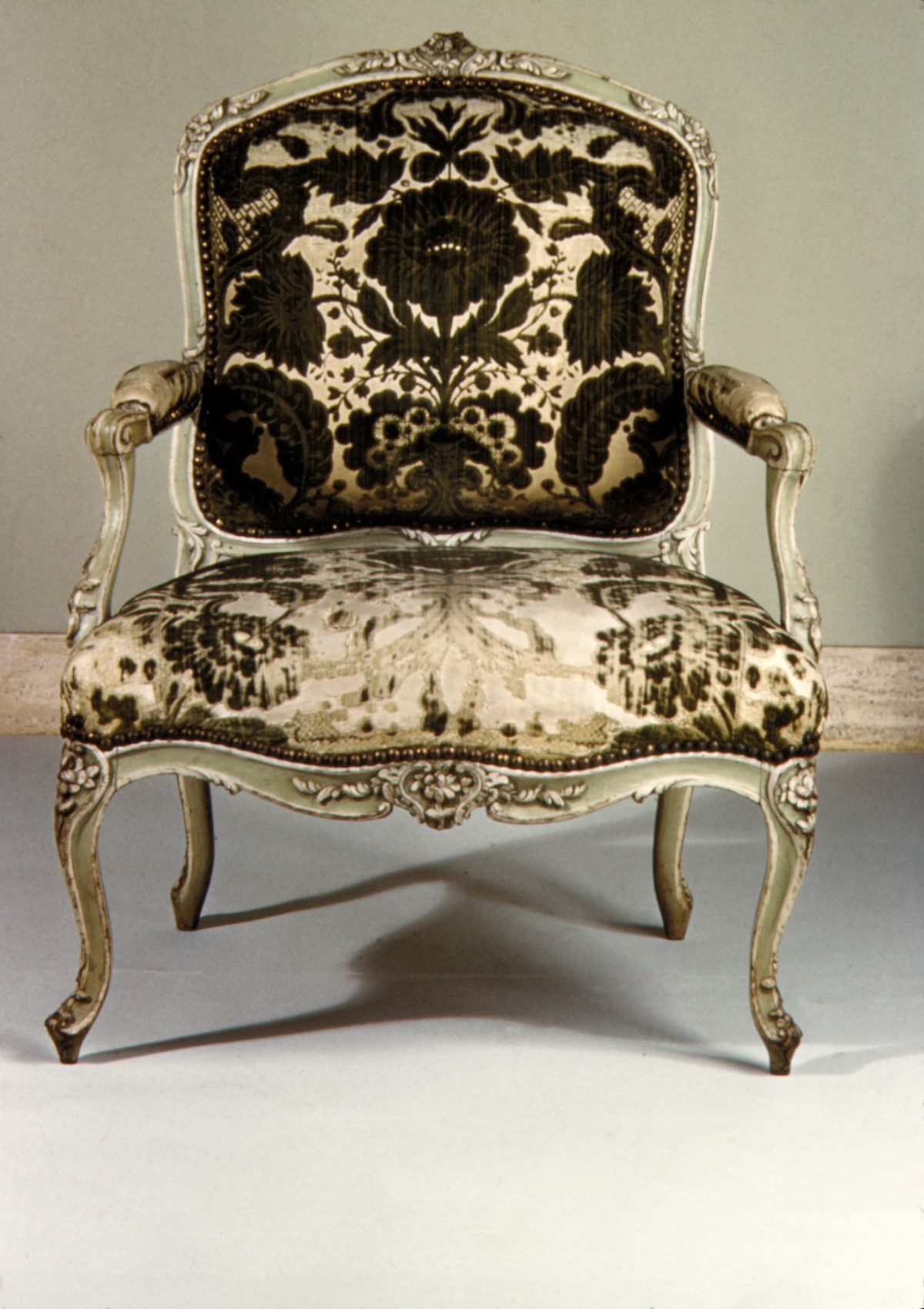
The Armchair as Architectural Silhouette: A Deconstructive Blueprint for SS26
In the lexicon of avant-garde couture, the armchair occupies a paradoxical space: it is both a symbol of static comfort and a latent blueprint for dynamic form. For Zoey Fashion Laboratory’s SS26 collection, the carved and painted beechwood armchair, upholstered in cut and voided velvet, emerges as a radical point of departure. This object, sourced from the Global Frontier—a conceptual territory that blurs geographic and temporal boundaries—transcends its domestic origins to become a manifesto for futuristic silhouettes. The following analysis deconstructs the armchair’s structural DNA, translating its rigid framework and tactile voids into a wearable lexicon of architectural defiance. The result is a collection that redefines the body as a living, breathing armature for high-concept garment architecture.
The Beechwood Skeleton: Rigidity as a Provocation for Silhouette
The carved and painted beechwood frame of the armchair is not merely a support system; it is a deliberate study in tension and release. In traditional furniture, wood implies stability, but here, the carving introduces an element of organic irregularity—a dynamic asymmetry that challenges the symmetrical norms of classical couture. For SS26, this translates into garments that borrow the armchair’s structural logic: exoskeletal boning that mimics the chair’s armrests and backrest, but reimagined as a second skin. The painted finish, often in high-contrast monochromes or metallic oxides, becomes a color story for the collection—think lacquered blacks, oxidized coppers, and chalky whites that evoke both industrial decay and futurist purity.
The key silhouette innovation lies in the inverted armature. Where the armchair supports the human form from below, the SS26 garments invert this relationship, projecting structural elements outward and upward. For instance, a tailored jacket might feature exaggerated shoulder yokes that echo the armchair’s curved armrests, but with a cantilevered effect—the fabric appears to float, supported by hidden carbon-fiber boning. This creates a futuristic silhouette that is simultaneously rigid and ethereal, a paradox that defines the avant-garde. The beechwood’s grain, when painted, suggests a digital grid—a nod to the collection’s global frontier origins, where craftsmanship meets algorithmic precision.
Cut and Voided Velvet: Negative Space as Narrative
The upholstery’s cut and voided velvet offers the most fertile ground for deconstructive analysis. This technique, historically associated with Renaissance opulence, involves shearing away layers of pile to reveal a contrasting ground—a tactile dialogue between presence and absence. In the context of SS26, this becomes a metaphor for the body’s relationship with fabric. The “voids” are not mistakes; they are deliberate architectural apertures. For Zoey Fashion Laboratory, the velvet is treated as a living membrane, with the cut areas serving as portals for movement, light, and the wearer’s skin.
In practice, this manifests as negative-space draping. A floor-length gown might feature a bodice constructed from voided velvet panels, where the cut-out sections align with the body’s kinetic zones—the shoulders, the waist, the hips. These voids are not random; they follow the same geometric logic as the armchair’s carved beechwood, creating a visual rhythm of solid and void. The velvet’s plush texture, when juxtaposed with the hard, painted wood of the garment’s structural elements, generates a tactile dissonance that is central to the collection’s identity. The voided areas are further enhanced by laser-cut metallic underlays, which catch light and create a holographic effect—a nod to the global frontier’s fusion of ancient craft and future tech.
From Furniture to Fashion: Architectural Translation and the Body as Armature
The armchair’s transition from object to garment requires a radical rethinking of the human form. The body is no longer a passive recipient of fabric; it becomes an active structural armature. The carved beechwood’s curves—the armrests, the backrest, the seat—are reinterpreted as wearable architectural elements that extend beyond the body’s natural silhouette. For example, a sculptural bustier might incorporate a cantilevered back panel that mimics the chair’s backrest, but with a floating effect achieved through tension cables and lightweight polymers. This creates a silhouette that is both protective and provocative—a futuristic exoskeleton that challenges the wearer to inhabit space differently.
The collection’s silhouette vocabulary is defined by three key forms: the cocoon, the cantilever, and the aperture. The cocoon silhouette draws from the armchair’s enveloping comfort, but rendered in voided velvet and painted wood panels that wrap the body in a protective shell. The cantilever silhouette, as previously noted, uses the armchair’s structural logic to project forms outward—think asymmetrical hemlines that seem to defy gravity. The aperture silhouette celebrates the cut velvet’s voids, creating garments that reveal as much as they conceal, with strategic cut-outs that map the body’s architecture. Together, these forms create a cohesive yet disruptive narrative for SS26.
Global Frontier Materiality: Beechwood, Velvet, and the Digital Sublime
The Global Frontier origin of the armchair is not merely a geographic marker; it is a material philosophy. The beechwood, sourced from sustainable forests across Europe and Asia, is painted with pigments derived from natural oxides and synthetic resins—a fusion of earth and industry. The cut velvet, meanwhile, is woven from recycled silk and bio-based polyester, reflecting a commitment to circular luxury. The voided areas are not waste; they are repurposed as trims, linings, and accessories, ensuring zero material loss. This aligns with Zoey Fashion Laboratory’s ethos of deconstructive sustainability, where every cut and void is a deliberate design choice.
The painted beechwood’s surface, when examined under magnification, reveals a micro-texture that mimics the digital sublime—a nod to the global frontier’s hybrid of analog craft and digital design. This texture is translated into the garments through 3D-printed embellishments that replicate the wood’s grain in polymer, then hand-painted to match. The velvet’s voided patterns are similarly derived from algorithmic fractals, creating a visual language that is both organic and computational. The result is a collection that feels ancient and futuristic simultaneously—a true avant-garde synthesis.
Conclusion: The Armchair as a Catalyst for Structural Innovation
The carved and painted beechwood armchair, with its cut and voided velvet upholstery, is more than a source of inspiration for SS26; it is a structural manifesto. By deconstructing its rigid framework and tactile voids, Zoey Fashion Laboratory has forged a new vocabulary of futuristic silhouettes that challenge the boundaries between furniture, fashion, and architecture. The collection’s emphasis on negative space, cantilevered forms, and material hybridity positions it at the forefront of avant-garde couture. As the global frontier continues to blur the lines between tradition and innovation, this armchair stands as a testament to the power of deconstructive aesthetics—a reminder that the most radical forms often emerge from the most familiar objects. The body, now an armature for architectural expression, is ready to sit, stand, and move in a new era of wearable sculpture.