Fabric Deconstruction Analysis: Edo Period Actor Portrait Album
Context and Origin: The Edo Period as a Catalyst for Avant-Garde Interpretation
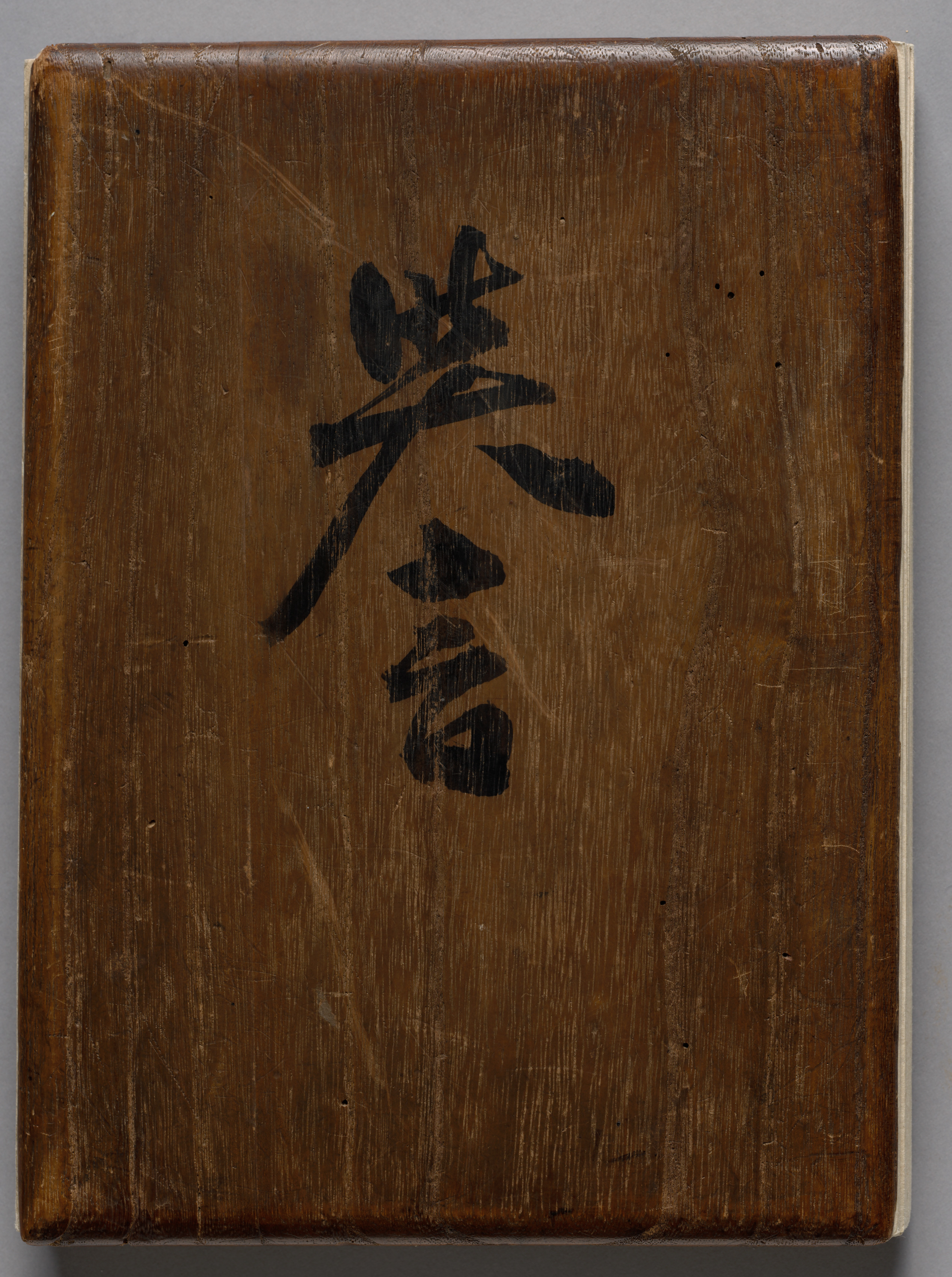
The album of actor portraits, originating from Japan’s Edo period (1615–1868), represents a pivotal moment in visual culture where performance, identity, and materiality converged. For Zoey Fashion Lab, this historical artifact offers a rich DNA strand for deconstruction—not merely as a static art object, but as a dynamic blueprint for avant-garde fashion design. The Edo period, characterized by strict social hierarchies and vibrant urban culture, saw the rise of kabuki actors as icons of fleeting beauty and exaggerated expression. Their portraits, often rendered in ink and color on silk or paper, were not just records but performative documents that blurred the line between reality and theatricality. This duality is precisely what Zoey Fashion Lab seeks to exploit: the tension between the actor’s constructed persona and the raw materiality of the medium.
Technical Analysis: Accordion-Style Album as Structural Innovation
The accordion-style album, known as orihon in Japanese, is a format that challenges conventional linearity. Each fold creates a sequential yet fragmented narrative, where viewers can experience the portraits in a non-linear, spatial manner. For Zoey Fashion Lab, this structure translates into a modular garment system—a collection of detachable panels, pleats, and folds that can be reconfigured by the wearer. The album’s physicality—its ability to expand and contract—mirrors the fashion lab’s ethos of transformative silhouettes. The use of ink and color on silk mounted on paper introduces a layered materiality: the silk’s sheen contrasts with the paper’s matte texture, creating a dialogue between opulence and restraint. This juxtaposition is critical for avant-garde design, where unexpected material combinations provoke new sensory experiences.
Material Deconstruction: Silk, Paper, and Ink as Textile Analogues
The album’s materials—ink, color, silk, and paper—offer a textile vocabulary for Zoey Fashion Lab. Silk, a traditional luxury fabric, is here used as a support for pigment, suggesting a surface that is both painted and woven. In avant-garde fashion, this translates to printed silks that mimic brushstrokes, where the garment becomes a canvas for dynamic, gestural marks. The ink, often applied with varying densities, creates gradients and transparencies that can be replicated through digital printing or hand-painted techniques. The paper, typically a humble material, is elevated by its mounting role; for fashion, this suggests paper-like textiles—crisp, ephemeral, and biodegradable—that challenge the durability of conventional fabrics. The album’s accordion structure also informs the use of pleated and folded textiles, such as organza or stiffened cotton, to create volume and movement that recalls the opening and closing of the album.
Visual Language: Actor Portraits as Avant-Garde Archetypes
The actor portraits themselves are archetypes of exaggerated identity. The kabuki actor’s makeup (kumadori) and costume (shozoku) are already theatrical, but the Edo period album amplifies this through stylized poses and expressive linework. For Zoey Fashion Lab, these portraits become blueprints for deconstructing gender, role, and performance. The actor’s face, often depicted with exaggerated features, can be reinterpreted as mask-like accessories—veils, hoods, or face-framing collars—that obscure and reveal identity. The dynamic poses, frozen in ink, suggest garments that capture movement, such as asymmetrical hemlines or draped sleeves that mimic the actor’s gestures. The use of color—vibrant reds, deep indigos, and gold accents—offers a palette for emotional intensity, where each hue corresponds to a character’s role (hero, villain, spirit).
Avant-Garde Application: New DNA Strand for Zoey Fashion Lab
Zoey Fashion Lab’s New DNA Strand methodology involves extracting core principles from historical artifacts and recontextualizing them through deconstruction, abstraction, and reconstruction. For this Edo period album, the following strands emerge:
Strand 1: Modularity and Transformation
The accordion album’s folding structure inspires garments that can be reconfigured—jackets that transform into capes, skirts that expand into trains, or sleeves that detach into separate accessories. This modularity challenges the static nature of traditional fashion, aligning with avant-garde ideals of adaptability and user interaction. The folds themselves become structural seams that allow for volume and compression, echoing the album’s ability to collapse and expand.
Strand 2: Theatricality and Identity
The actor portraits’ performative nature encourages fashion as a tool for role-play. Zoey Fashion Lab can design pieces that exaggerate or distort the human form—oversized shoulders, elongated silhouettes, or asymmetrical cuts—to evoke the actor’s larger-than-life presence. The kumadori makeup patterns can be translated into graphic prints that map onto the body, creating a visual language of power, emotion, or transformation. This strand also explores gender fluidity, as kabuki actors often played multiple genders, offering a historical precedent for non-binary fashion.
Strand 3: Material Contrast and Ephemerality
The silk-on-paper mounting introduces a dialectic between luxury and fragility. Zoey Fashion Lab can experiment with mixed-media textiles that combine delicate silks with paper-like fabrics, such as tyvek, washi, or biodegradable synthetics. The ink’s fluidity suggests hand-painted or digitally printed patterns that appear to bleed or fade, creating a sense of impermanence. This aligns with avant-garde fashion’s interest in ephemeral beauty and the critique of fast fashion’s disposability.
Strand 4: Sequential Narrative and Spatial Experience
The album’s sequential yet non-linear structure inspires garments that tell a story through their construction. A dress might have panels that can be rearranged to reveal different layers, or a coat might feature hidden pockets and openings that reference the album’s folds. The spatial experience of viewing the album—opening and closing it—can be mirrored in garments that invite touch and manipulation, such as zippers that create new shapes or ties that adjust the silhouette.
Conclusion: From Historical Artifact to Avant-Garde Icon
The Edo period album of actor portraits is not a relic but a living blueprint for Zoey Fashion Lab’s avant-garde explorations. By deconstructing its technical, material, and visual elements, the lab can produce a collection that reimagines fashion as a performative, modular, and narrative medium. The album’s accordion structure, theatrical imagery, and material contrasts offer a rich DNA strand that challenges conventional garment design, pushing toward a future where clothing is both a canvas and a stage. For Zoey Fashion Lab, this analysis is not an end but a starting point—a deconstruction that fuels reconstruction, transforming historical fragments into avant-garde statements that resonate with contemporary identity and expression.