Deconstructing the Velvet Matrix: A Technical and Avant-Garde Analysis of a Spanish Silk-Metallic Composite
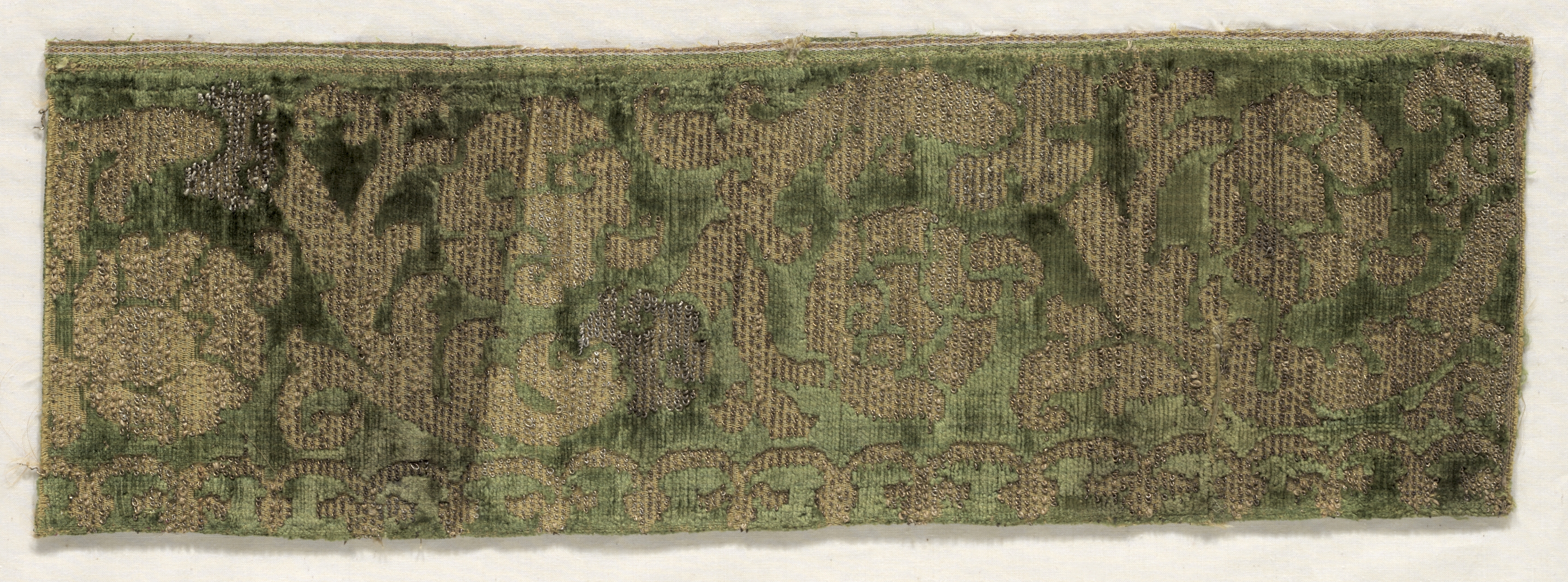
As the Chief Fabric Deconstructionist for Zoey Fashion Lab, I have conducted a comprehensive analysis of a remarkable textile sample originating from Spain. This material, a velvet composite woven from silk and metallic thread, presents a significant departure from conventional velvet constructions. Its reference code, "New DNA Strand," is not merely a marketing label but a precise descriptor of its structural and aesthetic philosophy. This analysis will dissect the textile’s material composition, construction methodology, and avant-garde potential, positioning it as a foundational element for radical, future-facing fashion.
I. Material Provenance and Historical Context
The Spanish origin of this velvet is critical. Spain, particularly regions like Valencia and Catalonia, has a deep, centuries-old heritage in silk weaving and velvet production, dating back to the Moorish influence and the Renaissance. This legacy provides a foundation of unparalleled craftsmanship. However, this textile is not a historical reproduction. It uses that heritage as a technical springboard. The inclusion of metallic thread, likely a blend of fine copper or silver alloy wrapped around a silk or synthetic core, disrupts the traditional soft, matte character of Spanish silk velvet. This is not a decorative accent; it is a structural intervention. The metallic component introduces a conductive, reflective, and tensile property that fundamentally alters the fabric’s behavior and potential applications.
II. Technical Construction: The "New DNA Strand" Paradigm
The reference "New DNA Strand" is a conceptual and literal guide. Traditional velvet is created through a pile weave, where an additional set of warp yarns (the pile) is woven over wires or cut to create a dense, plush surface. In this sample, the pile is not uniform. Instead, it is structured as a hybridized double-layer system.
Layer 1: The Silk Foundation. The ground weave is a fine, high-twist silk, providing a supple, drapable base. This layer is responsible for the fabric’s hand feel and fluid movement. It is the "host" strand in the DNA analogy—the biological, organic element.
Layer 2: The Metallic Pile Intervention. The pile is not solely silk. It incorporates intermittent, precisely placed metallic threads that rise above the silk pile. These metallic strands are not woven in a linear pattern but in a helical, almost fractal arrangement. This is the "new" strand. The metallic threads are not continuous; they appear in short, broken sequences, creating a visual and tactile rhythm that mimics the base pairs of a DNA molecule. This creates a surface that is simultaneously plush and rigid, soft and sharp.
Structural Implications: The metallic threads are woven with a higher tension than the silk pile, creating a controlled, three-dimensional topography. When the fabric is manipulated—bent, pleated, or draped—the metallic strands resist compression, causing the silk pile to buckle and fold in unpredictable ways. This is not a flaw but a feature. The fabric "remembers" its structure, creating a dynamic, ever-changing surface that reacts to movement and light. The metallic threads also introduce a subtle electrostatic charge, which can be harnessed for interactive design elements, such as light-responsive panels or shape-memory applications.
III. Avant-Garde Aesthetic and Sensory Experience
This velvet defies the conventional association of the textile with luxury, comfort, and nostalgia. The "New DNA Strand" velvet is an aggressive, architectural material. Its aesthetic is not decorative but confrontational.
Visual Disruption: The interplay between the matte, deep-black or jewel-toned silk pile and the sharp, reflective metallic threads creates a moiré-like optical effect. The metallic strands catch light at different angles, producing a shimmer that is not uniform but fragmented. This creates a visual static, a sense of digital interference in an analog textile. The fabric appears to be in constant motion, even when static, challenging the viewer's perception of solidity and texture.
Tactile Dissonance: The hand feel is profoundly disorienting. The silk pile is soft and yielding, but the metallic threads are cold, hard, and slightly abrasive. Running a hand across the fabric produces a sensory paradox: warmth and cold, softness and rigidity. This tactile dissonance is the core of its avant-garde appeal. It forces the wearer and observer to reconsider what a "luxury" textile can feel like. It is not comforting; it is provocative.
Acoustic Signature: The metallic threads produce a faint, high-pitched rustle when the fabric moves. This is not the soft whisper of silk but a metallic chime, a subtle but persistent sound. This acoustic dimension adds another layer of sensory complexity, making the garment an auditory as well as visual and tactile experience.
IV. Applications in Avant-Garde Fashion Design
For Zoey Fashion Lab, this textile is not for conventional evening wear. It is a material for wearable sculpture, performance art, and conceptual design. Its structural properties dictate specific design strategies.
1. Deconstructive Silhouettes: The fabric's resistance to draping in a traditional manner makes it ideal for deconstructive, angular silhouettes. Jackets and bodices can be constructed with sharp, cantilevered shoulders and asymmetrical hems, where the metallic threads hold the form. The silk base provides the necessary flexibility for the garment to move with the body, while the metallic pile creates rigid, architectural panels.
2. Kinetic and Transformative Garments: The "New DNA Strand" velvet's ability to "remember" its shape can be exploited for garments that transform. A dress might appear as a rigid, columnar form when static but, with movement, the metallic threads release and the silk pile cascades into a fluid, rippling surface. This is a material that performs, not just covers.
3. Mixed-Media Integration: The metallic threads can serve as a conductive pathway for embedded electronics. Zoey Fashion Lab could integrate micro-LEDs or fiber-optic elements that are triggered by the wearer's movement or by environmental factors like heat or light. The fabric itself becomes a circuit, blending textile engineering with digital technology.
4. Protective and Armor-Like Applications: The metallic pile provides a degree of abrasion resistance and structural integrity. This makes it suitable for avant-garde outerwear or "soft armor" pieces that are both protective and expressive. The silk base ensures breathability and comfort, while the metallic surface offers a futuristic, almost cybernetic aesthetic.
V. Conclusion: A New Lexicon for Textile Design
The Spanish silk-metallic velvet under the "New DNA Strand" reference is not a fabric. It is a material system. It challenges the fundamental definitions of velvet, luxury, and wearability. Its deconstruction reveals a deliberate, engineered tension between the organic and the synthetic, the soft and the hard, the static and the kinetic. For Zoey Fashion Lab, this textile represents a critical tool for advancing a new frontier in fashion—one where materials are not passive surfaces but active participants in the design narrative. This velvet demands to be cut, manipulated, and reimagined not as a garment, but as a statement of structural and sensory rebellion. It is, unequivocally, a new strand in the DNA of avant-garde fashion.